Honor 300 Series Expected to Debut on December 2, Powered by Snapdragon 8 Gen 3

Honor 300 Series Set for December 2 Launch with Snapdragon 8 Gen 3 and MagicOS 9

Honor has officially confirmed the launch date of its much-anticipated 300 Series smartphones, which will take place on December 2 in China. The new lineup, consisting of the Honor 300, Honor 300 Pro, and Honor 300 Ultra, will succeed the Honor 200 Series that debuted in India earlier this year. These new devices are teased to come with the latest Snapdragon 8 Gen 3 chipset and MagicOS 9, Honor’s proprietary operating system, promising a smoother and more efficient user experience right out of the box.

Three Distinct Models to Choose From

The Honor 300 Series will include three distinct models, each catering to different user needs. The Honor 300 will be the base model, while the Honor 300 Pro will offer enhanced features for power users, and the Honor 300 Ultra will be the top-tier variant with premium specifications. All models are confirmed to feature a 50-megapixel periscope telephoto camera, a key selling point for photography enthusiasts, offering high-quality zoom capabilities for capturing distant subjects with remarkable detail.

A Variety of Colour Options for the 300 Series

In terms of design, Honor is offering a range of attractive colour options for the 300 Series. The Honor 300 will be available in five colours: Ink Rock Tea, Chaka Sapphire, Dragon Snow, Smoky Purple, and Mountain Ash. Meanwhile, the Honor 300 Pro will be available in three shades: Ink Rock Black, Tea Kaji, and Starlight Sand. The exact colour variants for the Honor 300 Ultra remain under wraps, building anticipation for the unveiling. These diverse colour options aim to cater to different tastes and preferences, ensuring there’s a model for every user.

Pre-Reservations Now Open

Ahead of the official launch, Honor has started accepting pre-reservations for the Honor 300 Series through its official website in China. This allows eager customers to secure their devices before they hit the shelves. With the addition of the Snapdragon 8 Gen 3 chipset and the sleek MagicOS 9 operating system, the Honor 300 Series is expected to offer a significant upgrade over its predecessor, providing better performance, enhanced software features, and cutting-edge camera capabilities. Fans of the brand and tech enthusiasts alike are excited to see how the new models perform when they officially launch on December 2.

UK Consumers Protest New Cow Feed Additive by Pouring Milk Down the Drain

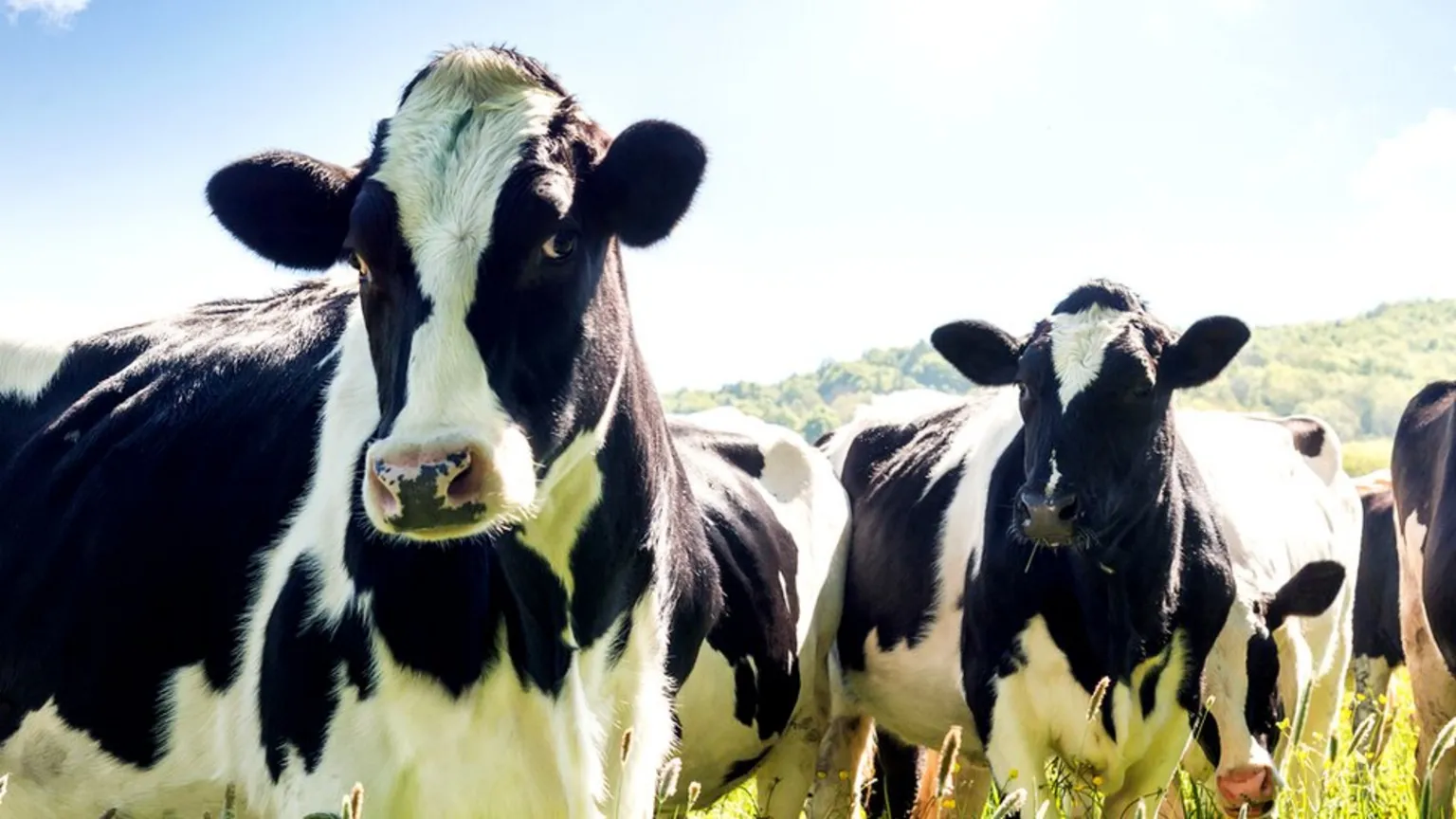
A growing protest has emerged in the UK, with some consumers pouring milk down their drains in response to a trial of a new feed additive for dairy cows. The additive, called Bovaer, has been introduced by Arla Foods in partnership with major UK supermarkets to reduce methane emissions from cows. However, the trial has sparked controversy, with social media users raising concerns about the safety of the product and its potential impact on both health and the environment.

Bovaer, a feed additive made by DSM-Firmenich, works by suppressing methane-producing enzymes in the stomachs of cows, reducing their methane emissions by 30-45%. While the product has been approved by UK regulators, it has generated backlash, particularly from online activists and some farmers. Opponents have voiced concerns over the safety of certain compounds in Bovaer, particularly its active ingredient, 3-NOP (3-nitrooxypropanol). Some have linked the product to baseless claims about depopulation agendas and even Bill Gates, despite the fact that the billionaire is not connected to its development.

The controversy began when Arla Foods announced the trial on November 26, involving 30 farms across the UK. The milk produced by cows fed with Bovaer will be stocked in supermarkets like Tesco, Morrisons, and Aldi. This announcement quickly ignited a wave of online debate, with some social media users sharing videos of themselves discarding milk and dairy products, while others expressed genuine concerns about the safety of the feed additive.

What Is Bovaer and How Does It Work?

Bovaer aims to tackle the environmental issue of methane emissions from cows, which contribute significantly to climate change. Methane is a potent greenhouse gas produced during the digestive process when cows break down fibrous food like grass. The additive works by inhibiting the enzymes responsible for methane production in the cow’s stomach. Experts, including the National Farmers Union (NFU), have assured the public that when used as directed, Bovaer breaks down in the cow’s digestive system and does not remain in milk or meat, posing no food safety risks.

Despite these assurances, concerns have surfaced about the ingredients in Bovaer. Some critics have pointed to a 2023 report from the UK’s Food Standards Agency (FSA), which described 3-NOP as a skin and eye irritant. However, these concerns are largely related to the handling of the compound in its concentrated form, not its use in animal feed. The FSA and other experts have reiterated that milk from cows treated with Bovaer is safe to drink, and the additive has passed numerous regulatory reviews worldwide.

Misinformation and Conspiracy Theories

The controversy surrounding Bovaer has also been fueled by misinformation, with online users making unsubstantiated claims about the additive. Some activists have attempted to link the product to Bill Gates, who has invested in a competing methane-reducing product called Rumin8. However, DSM-Firmenich has denied any involvement of Gates in the development of Bovaer, emphasizing that the product is independently developed by the company.

In addition, some individuals have misinterpreted a letter from the US Food and Drug Administration (FDA), which referred to potential handling precautions for 3-NOP. The letter did not suggest that the additive posed a health risk when consumed, but conspiracy theorists have falsely interpreted it as evidence that Bovaer could cause cancer or infertility.

The Impact of Social Media and Public Reaction

The debate over Bovaer has quickly gained traction online. A post from Arla Foods announcing the trial received millions of views on X (formerly Twitter) and sparked thousands of comments. Social media platforms like TikTok have also seen a surge in content related to the additive, with some videos garnering millions of views. Users, many of whom share conspiracy theories or concerns about corporate influence, have used the platform to organize protests, including videos of them pouring out milk and other dairy products.

At the same time, some farmers have used social media to assure consumers that they are not using Bovaer on their farms, trying to distance themselves from the trial. They also highlighted that 15 years of trials have shown that the additive does not pose a risk to animals or humans, reaffirming the claims that Bovaer does not remain in milk or meat.

Looking Ahead

Despite the protest, experts and regulators continue to stand by the safety of Bovaer, noting its potential to make dairy farming more sustainable by reducing methane emissions. Methane is a potent greenhouse gas that significantly contributes to climate change, and finding ways to reduce its production in livestock could have meaningful environmental benefits. However, the backlash highlights the challenges faced by new agricultural technologies, particularly in an era where misinformation and concerns about food safety are widespread.

As the trial continues, it remains to be seen how public opinion will evolve, and whether the protest over Bovaer will gain further momentum or subside as more information becomes available. For now, the controversy remains a hot topic in the intersection of environmental sustainability, food safety, and social media-driven activism.

Archaeologists Uncover Key Tool That Helped Early Americans Survive the Ice Age

A significant archaeological discovery in Wyoming is shedding light on how early Americans survived the harsh conditions of the last Ice Age. Tiny needle fragments unearthed at the La Prele site in Converse County are revealing how prehistoric people crafted clothing to protect themselves from the cold.

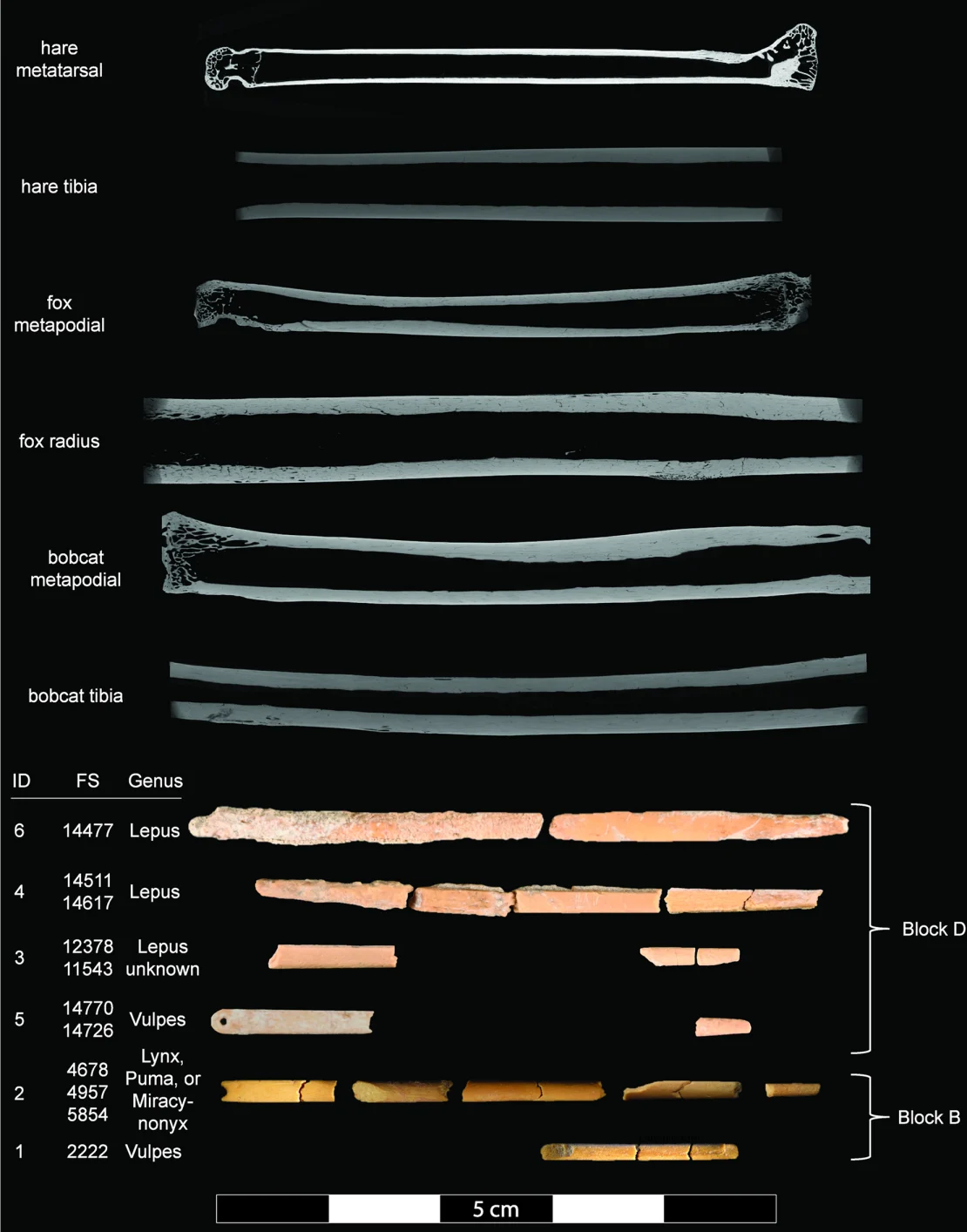
The fragments, 32 in total, were found buried 15 feet underground at the site, which is believed to be where a young mammoth was butchered about 13,000 years ago. While these needles are not the oldest known in North America, the discovery is groundbreaking because scientists have identified the material used to create them. Through a process known as zooarchaeology by mass spectrometry (ZooMS), researchers were able to analyze the bone collagen and determine that the needles were made from the bones of small carnivores such as red foxes, bobcats, mountain lions, lynx, the extinct American cheetah, and hares, rather than the expected bison or mammoth bones.

“We had assumed they would be made out of bison or mammoth bone, which are common at sites of this age, but the results were quite surprising,” said Spencer Pelton, Wyoming state archaeologist and lead author of the study, published in PLOS ONE.

The La Prele site was discovered in 1986, and evidence suggests that prehistoric people either hunted or scavenged a mammoth at the location. Archaeologists believe these individuals were likely from the Clovis culture, one of North America’s earliest known human populations.

Needles Found with Precision Excavation

The discovery of the tiny needles required meticulous excavation. The research team used 1/16th-inch fine mesh to sift through excavated soil, uncovering the artifacts. “Few archaeological sites are excavated with this level of precision, and this may explain why such needles have been missed at other sites,” Pelton explained.

The site dates back to the end of the last Ice Age, when temperatures were significantly colder than today, likely between 5 to 7 degrees Celsius lower. To survive such extreme conditions, early humans would have needed well-crafted, tailored garments with tightly stitched seams for warmth. However, clothing from this period is rarely preserved, making the needles a crucial find in understanding how early Americans adapted to the cold.

“These garments would have been similar to those worn by the historic Inuit, designed to protect against harsh climates,” Pelton said. “This would likely have included fur fringes around the sleeves and hoods, which is why small animals like foxes and hares were trapped.”

Crafting Tailored Garments

Before the invention of needles, humans likely wore looser, draped clothing, held together with pointed tools called awls. The new findings suggest that with the development of needles, early Americans could create more tailored and functional garments. Additionally, the needles enabled the decoration of clothes, with one of the oldest beads made from hare bone discovered at the same site.

For thread, early humans likely used sinew from large mammals, such as bison or mammoths.

Animal Trapping and Hunting Strategies

Because small carnivores like foxes and wild cats are difficult to hunt with traditional tools like spears, it is believed that early humans trapped these animals to obtain bones for needle crafting. While direct evidence of trapping has not yet been found at sites of this age in North America, the use of small carnivores makes sense given their size and the ease of crafting needles from their bones.

Ian Gilligan, an expert in archaeology at the University of Sydney, explained that smaller bones from animals like dogs, cats, and hares are ideal for making needles. “These bones are generally the right size and shape, requiring minimal work to turn them into needles,” he said. “For hunter-gatherers, crafting needles is time-consuming, so using small, readily available bones made the process more efficient.”

A Major Technological Innovation

The ability to create tailored clothing was a critical survival advantage for early humans, enabling them to expand into colder regions previously uninhabitable due to the threat of hypothermia. The development of needles marked a significant leap in human innovation and is considered one of the major factors that allowed humans to populate regions like northern Siberia and cross the land bridge into North America.

“Without the ability to make tailored clothes, humans could never have moved into these colder regions,” Gilligan noted. “Needles allowed for better protection from the cold, offering more effective insulation and better protection from the wind.”

The discovery adds to growing evidence that clothing, rather than food acquisition, may have driven some of humanity’s most important technological innovations. The invention of needles stands as a prime example of how early humans adapted to their environment, paving the way for their survival during one of Earth’s harshest climates.