Jim Cramer Highlights Success of Salesforce’s AI Products Following Strong Earnings

Jim Cramer recently discussed the implications of artificial intelligence (AI) on business, particularly in light of Salesforce’s strong earnings results. Cramer emphasized that AI, which has been widely discussed, is proving to be a powerful and profitable technology, especially as showcased by Salesforce’s latest product success.

“I don’t often delve into AI’s potential, but perhaps I should talk about it more,” Cramer said, acknowledging the vast sums of money AI is generating in the business world. He expressed concern about underestimating its financial impact.

Salesforce’s recent quarter exceeded analysts’ expectations, with a nearly 11% jump in share price during Wednesday’s session. On the earnings call, CEO Marc Benioff highlighted the success of Agentforce, Salesforce’s AI-driven platform designed to automate tasks in areas like marketing and customer service. Benioff referred to Agentforce as “unleashing this new era of digital labor,” a tool for businesses to optimize their operations.

Cramer pointed out that although many on Wall Street had initially questioned the profitability of AI, Salesforce’s results demonstrate the tangible value of generative AI in business. In fact, Salesforce claimed it closed over 200 deals involving Agentforce last quarter, underscoring its growing adoption.

Cramer also reassured viewers that AI agents, such as those used in Salesforce’s platform, are not intended to replace human workers. Instead, these AI tools are designed to take over tasks that are repetitive or difficult for companies to fill, allowing workers to focus on more meaningful, creative work.

“When this new industrial revolution fully arrives, people will prefer to interact with AI agents that can handle tasks more efficiently than humans,” Cramer said. “I welcome the rise of Agentforce and the ‘agentics’ that come with it.”

Salesforce did not immediately respond to a request for comment.
 

Britain Forecasted to Reach Peak Gasoline This Year as Electric Vehicles Gain Traction

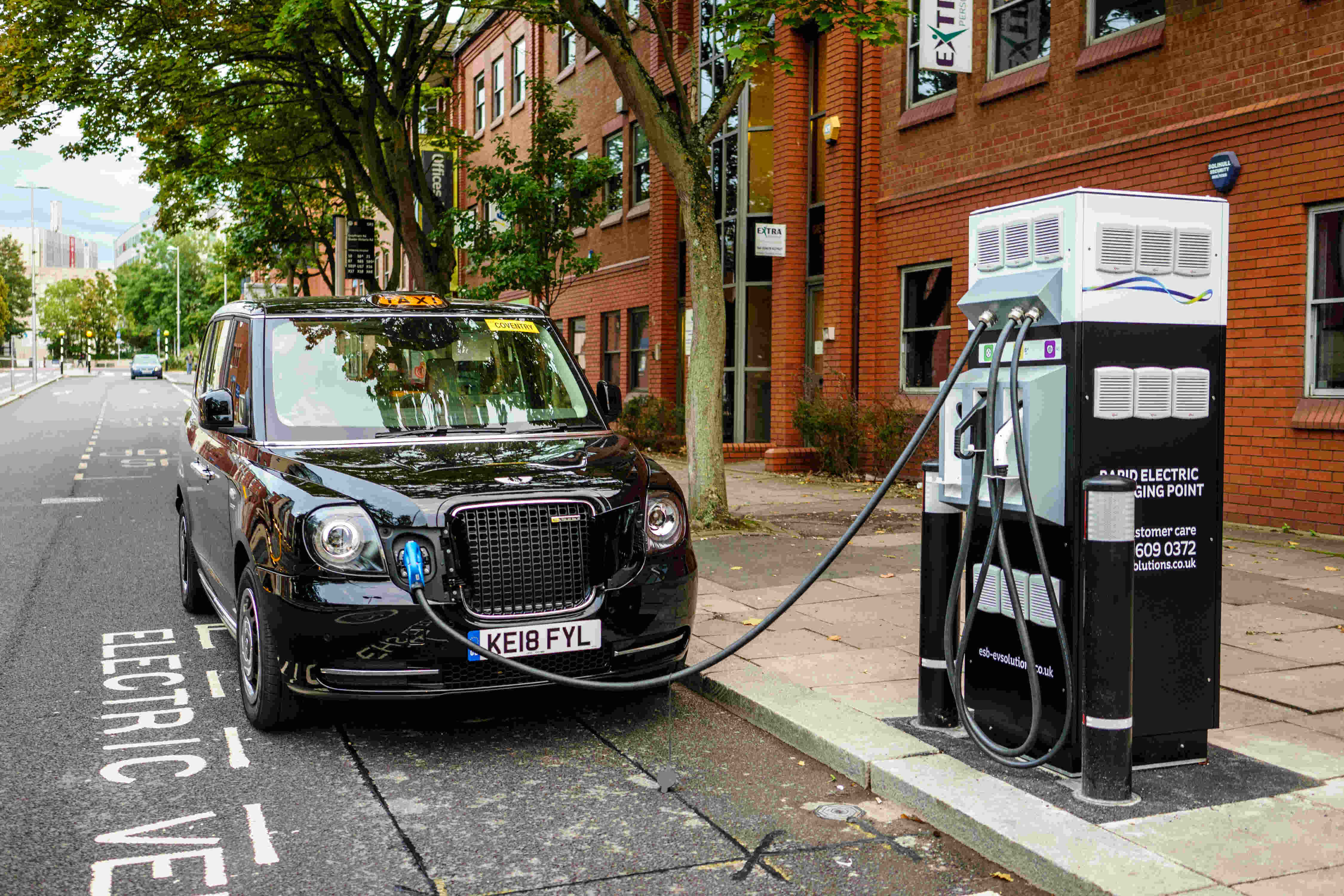
Britain is set to reach a milestone in 2024, with the country expected to hit “peak petrol” — a moment when the number of gasoline-powered cars will begin to significantly decline, signaling a shift towards electric vehicles (EVs).

According to a report published by Auto Trader, the number of gasoline-powered cars on British roads is forecast to drop nearly by half over the next decade as drivers increasingly switch to EVs. In 2024, there are expected to be 18.7 million gasoline cars, a number projected to fall to 11.1 million by 2034.

Meanwhile, the number of EVs on the roads is expected to skyrocket from 1.25 million in 2024 to 13.7 million by 2034. The EV share of new car sales is projected to increase from 18% in 2024 to 23% in 2025, although this still falls short of the U.K. government’s target of 28% under the Zero Emissions Vehicle (ZEV) mandate.

“Peak petrol marks a genuine turning point for the U.K.,” said Ian Plummer of Auto Trader. “Over the next decade, we expect a seismic shift in British motoring as the number of petrol cars falls sharply and EVs take a larger share.”

Despite challenges such as the introduction of ZEV targets and supply constraints, Plummer noted that strong demand for used cars continues.

ZEV Mandate and Industry Pressures

The U.K.’s ZEV mandate requires that at least 22% of new cars sold be zero-emission vehicles, with the target set to rise to 28% in 2025, 80% by 2030, and 100% by 2035. However, the mandate has faced criticism, particularly as the cost of EVs remains high, leading to concerns over the industry’s ability to meet targets without putting businesses at risk.

The Society of Motor Manufacturers and Traders (SMMT) has warned that government targets could harm the industry’s viability and job security, citing recent closures like Stellantis’ Vauxhall van factory in Luton, which threatens over 1,000 jobs.

Despite these concerns, 14 NGOs and campaign groups sent an open letter urging the U.K. government to uphold the ZEV mandate, arguing that it remains one of the country’s most significant measures for reducing carbon emissions.

A U.K. government spokesperson confirmed that a consultation will be launched soon to explore how to best support the industry in reaching its target of phasing out internal combustion engine vehicles by 2030. The government has also allocated £2 billion ($2.54 billion) to support domestic manufacturing during the transition and committed over £300 million to boost EV adoption.

Shell and Equinor to Create Britain’s Largest Independent Oil and Gas Company in Joint Venture

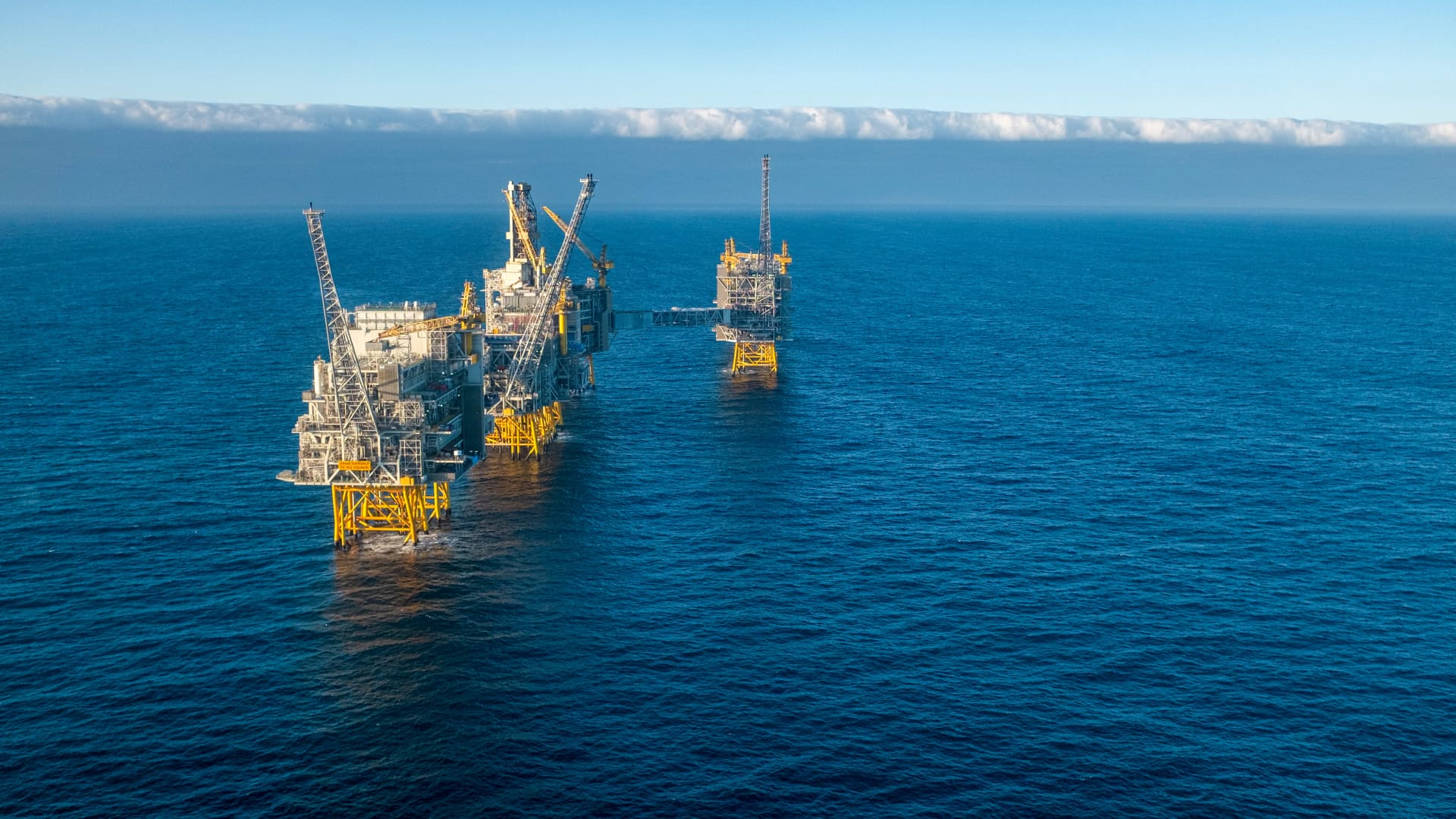
Oil giants Shell and Equinor have unveiled plans to merge their U.K. offshore oil and gas operations into a new joint venture, marking the creation of the largest independent oil and gas company in the U.K.

Details of the Joint Venture

The companies aim to establish the venture in Aberdeen, Scotland, by the end of 2025, pending regulatory approvals. This move is designed to maintain fossil fuel production and ensure the stability of the U.K.’s energy supply. Once completed, the venture will become the largest independent producer in the U.K. North Sea, according to Shell.

The combined entity is expected to produce over 140,000 barrels of oil equivalent per day by 2025. While Shell’s stock saw a slight dip of 0.8%, Equinor’s share price rose by 0.3% following the announcement.

Strategic Rationale

Shell’s Zoë Yujnovich emphasized that domestically produced oil and gas will continue to play a vital role in the U.K.’s energy future. She added that the joint venture will contribute significantly to the country’s energy transition, supplying heat for homes, power for industries, and fuels for everyday use.

The new venture will bring together Equinor’s assets in Mariner, Rosebank, and Buzzard, alongside Shell’s holdings in Shearwater, Penguins, Gannet, Nelson, Pierce, Jackdaw, Victory, Clair, and Schiehallion. Equinor currently employs 300 staff in the U.K., while Shell has around 1,000 employees across its oil and gas operations in the country.

Philippe Mathieu, Equinor’s executive vice president for exploration and production, stated that the deal strengthens the company’s cash flow and enhances both companies’ abilities to secure the U.K.’s energy supply.

Economic and Strategic Considerations

Analysts, including Biraj Borkhataria of RBC Capital Markets, highlighted the potential for significant “tax synergies” between the two companies, especially in light of recent changes to the U.K. government’s fiscal policy on oil and gas.

In the context of higher windfall taxes, which could curtail investment in North Sea development, combining resources makes strategic sense, allowing Shell and Equinor to pool their expertise and assets while reducing their capital focus in the region. This mirrors moves by other companies like Eni, which have adjusted their strategies in response to the challenging U.K. market.