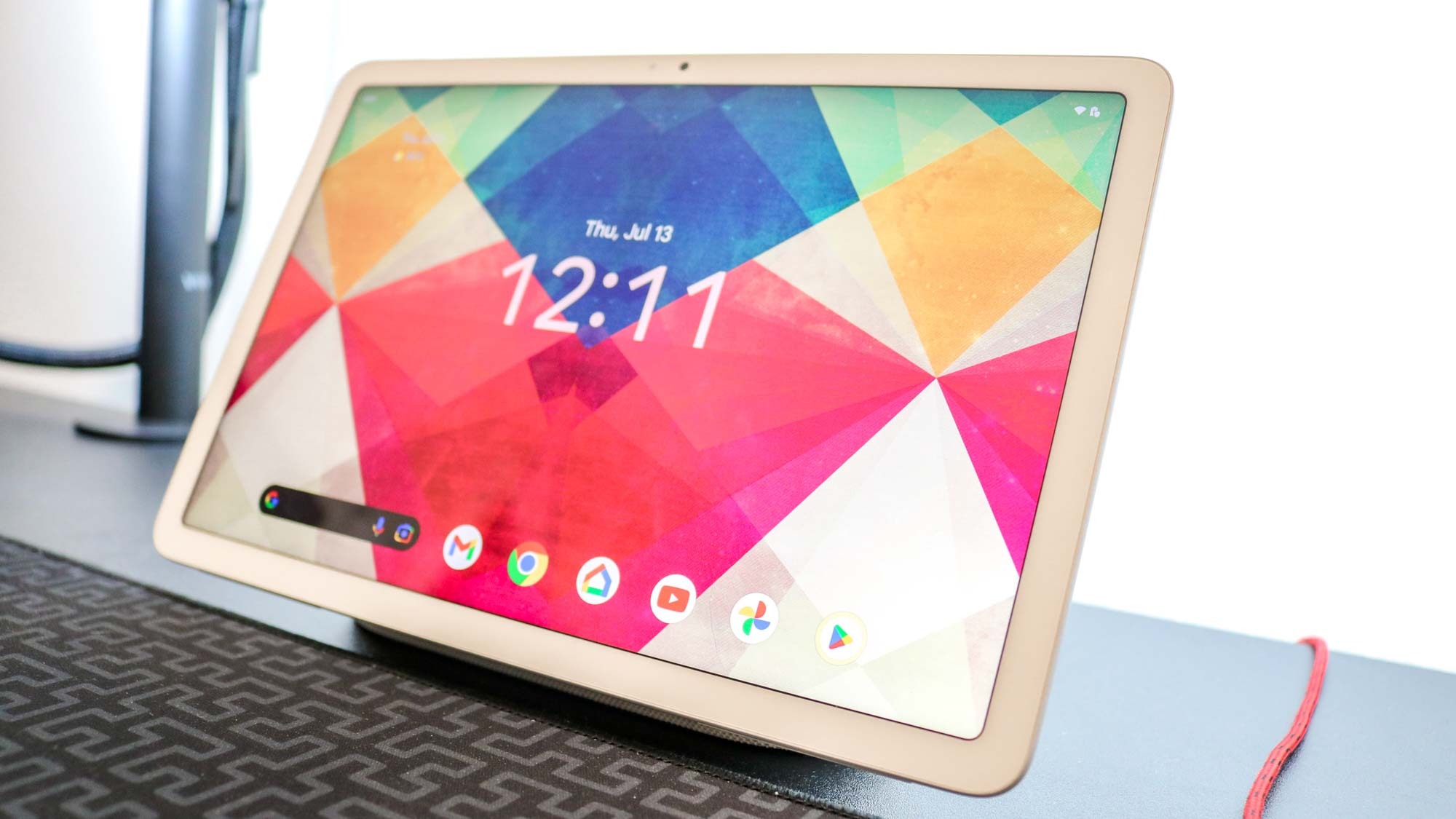
Google Pixel Tablet 3 Reportedly Shelved Amid Speculation of Tablet Business Exit

Google has reportedly decided to halt the development of its third-generation Pixel Tablet, internally codenamed “Kiyomi.” According to a report from Android Headlines, the tech giant recently made the decision to cancel the project, redistributing employees who had been working on it to other areas within the company. The Pixel Tablet 3 was rumored to be in the early stages of planning, with a projected launch in 2027 featuring Google’s next-gen Tensor G6 chipset. This move raises questions about the future of Google’s presence in the tablet market.

The cancellation marks a significant shift in Google’s hardware strategy. After launching its first Pixel Tablet in 2023, Google had hinted at a gradual expansion of its tablet lineup. The Pixel Tablet 2, which has yet to be officially announced, may now serve as the final device in this series. If true, this would echo Google’s earlier exit from the tablet market after discontinuing the Pixel Slate line in 2019, only to re-enter the segment years later with the Pixel Tablet.

The decision to shelve the Pixel Tablet 3 could suggest a realignment of Google’s priorities within its hardware ecosystem. Tablets, while still a relevant category, may not align with the company’s long-term vision, particularly as foldable smartphones and hybrid devices gain traction. By redirecting resources away from tablet development, Google may focus more heavily on its Pixel smartphones, smart home devices, and other flagship innovations where it has seen greater success.

While this development has not been officially confirmed by Google, it leaves fans and industry analysts speculating about the company’s next steps. If Google does choose to exit the tablet market once again, it would leave competitors like Apple and Samsung to dominate the space. For now, all eyes are on the rumored Pixel Tablet 2, which could become a swan song for Google’s ambitions in the tablet world.
Oppo Find X8 and X8 Pro Debut in India with Hasselblad Cameras, Dimensity 9400 Chipset

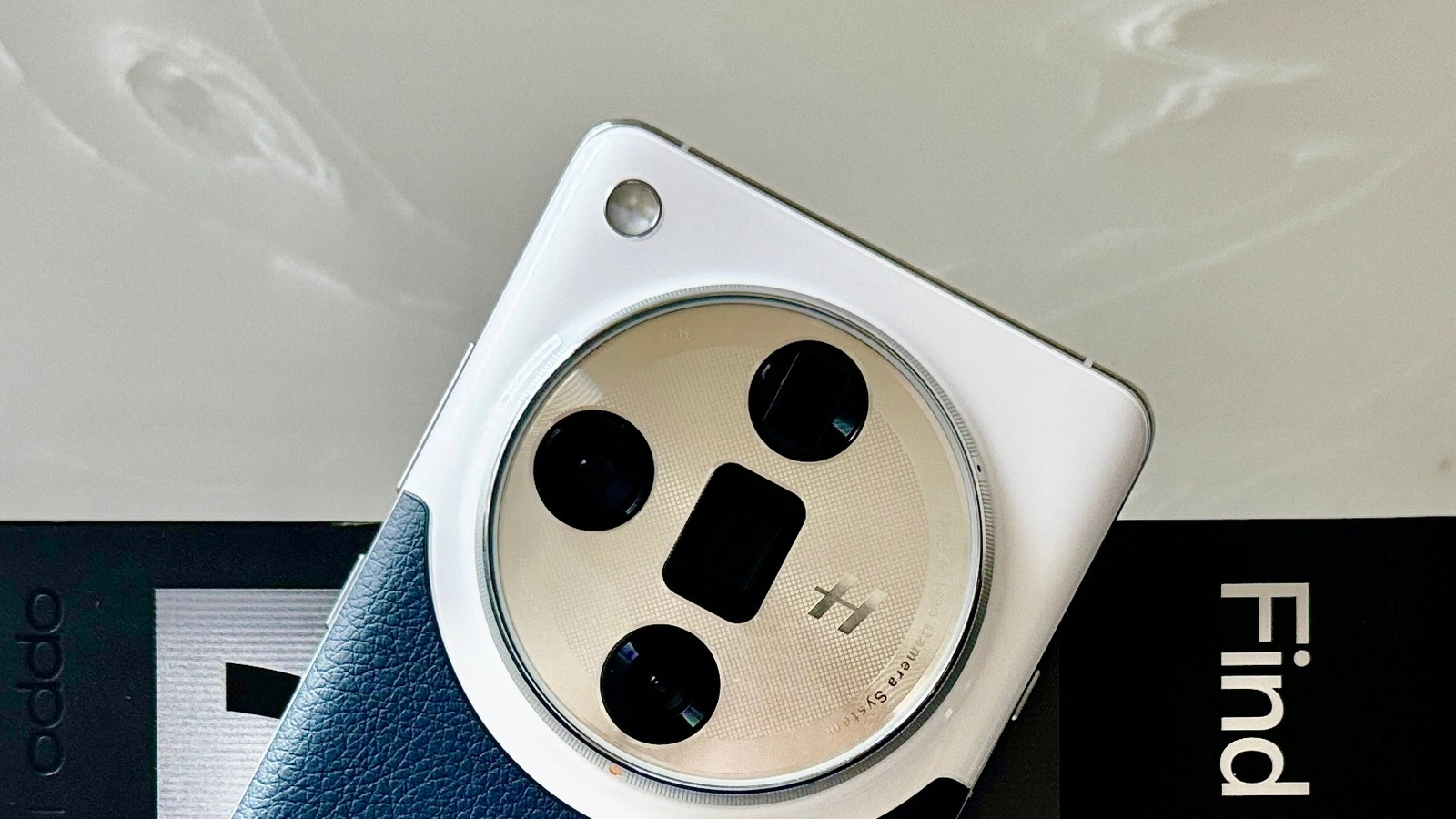
Oppo has officially launched its Find X8 series in India, marking the debut of MediaTek’s Dimensity 9400 chipset in the country. The lineup includes two models: Oppo Find X8 and Oppo Find X8 Pro. Both smartphones boast cutting-edge specifications, including Hasselblad-tuned quad-camera systems with up to four 50-megapixel sensors. Running on Android 15 with Oppo’s latest ColorOS 15 interface, these devices combine flagship performance with sleek design. The Find X8 comes with a 5,630mAh battery, while the Pro variant packs a larger 5,910mAh battery, catering to heavy users and multitaskers.

The Oppo Find X8 series offers premium features at competitive price points. The standard Oppo Find X8 starts at Rs. 69,999 for its 12GB RAM and 256GB storage variant, while the higher-end 16GB+512GB model is priced at Rs. 79,999. Available in Space Black and Star Grey, the device caters to those looking for stylish yet powerful smartphones. Meanwhile, the Oppo Find X8 Pro comes in a single configuration of 16GB RAM and 512GB storage, priced at Rs. 99,999. It will be available in two elegant finishes: Pearl White and Space Black.

Sales for both models begin on December 3 through the Oppo e-store, Flipkart, and various retail outlets across India. Oppo’s strategic partnerships with online and offline channels aim to ensure widespread availability for its latest flagship lineup. Early buyers can expect exclusive launch offers, adding more value to these premium devices.

On the technical front, both models feature advanced LTPO AMOLED displays. The Oppo Find X8 has a 6.59-inch screen with a resolution of 1,256×2,760 pixels, while the Pro version sports a slightly larger 6.78-inch display with a resolution of 1,264×2,780 pixels. Both displays offer a 120Hz refresh rate, a peak brightness of 4,500 nits, and excellent pixel density, promising vibrant visuals and smooth performance. With up to 16GB of LPDDR5X RAM and UFS 4.0 storage, the devices are designed for seamless multitasking, making the Oppo Find X8 series a strong contender in India’s competitive premium smartphone market

Xbox Cloud Gaming Expands: Stream Owned Titles with Game Pass Ultimate

Microsoft has announced a significant expansion to its Xbox Cloud Gaming service, bringing more value to its Game Pass Ultimate members. Previously, the service allowed users to stream a selection of Game Pass titles on supported devices. With this new update, members can now stream select games they own from their personal library, even if those games are not included in the Game Pass catalog. This update went live immediately in all 28 countries where Xbox Cloud Gaming (Beta) is available. Among the initial batch of 50 supported titles are fan favorites like Baldur’s Gate 3, Cyberpunk 2077, and Hogwarts Legacy, marking a major step forward for game streaming accessibility.

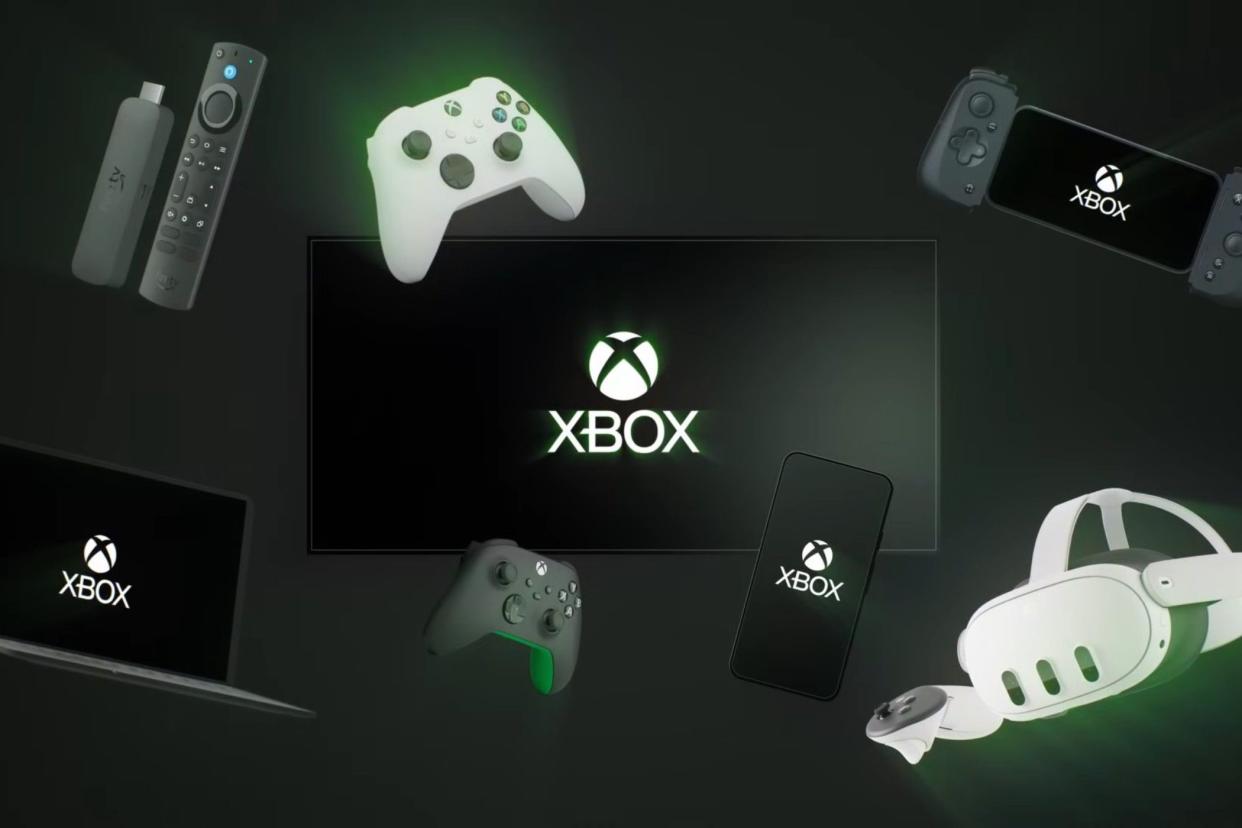
The expanded Xbox Cloud Gaming service provides users with greater flexibility and convenience, allowing them to play their purchased games across a range of devices. Currently, the service is accessible on Samsung Smart TVs, Amazon Fire TV devices, Meta Quest headsets, and web browsers for PCs, smartphones, and tablets. This enhanced compatibility ensures that users can enjoy their favorite games on their preferred platform without the need for a high-powered console or PC, highlighting Microsoft’s commitment to making gaming more accessible and inclusive.

Microsoft has also confirmed that this new feature will soon be extended to Xbox consoles and the Xbox app on Windows PCs, with a rollout planned for next year. The update includes a seamless integration where all editions of a supported game will be available for streaming, giving players more options to enjoy their purchases. This development not only adds value for Game Pass Ultimate subscribers but also showcases Microsoft’s efforts to create a more versatile gaming ecosystem.

By allowing users to stream games they already own, Microsoft is taking a big step toward redefining how players engage with their libraries. This move is likely to appeal to gamers who value flexibility and affordability, as it eliminates the need to repurchase games or be confined to specific hardware. As Xbox Cloud Gaming evolves, it continues to set a new standard for the industry, offering a glimpse into a future where gaming is no longer tied to traditional boundaries.