
TikTok to Host Its First UK & Ireland Awards, Celebrating Influencers’ Impact Beyond ‘Inspiration’

TikTok is set to host its inaugural UK and Ireland Awards, recognizing the significant contributions of content creators on the platform. The event, taking place in London, will honor 72 creators across 12 categories, collectively boasting over 101 million followers. While figures like Asher Glean, Nicholas Flannery, and Kyra-Mae Turner may not be household names for those outside of TikTok’s younger demographic, they are stars within the app’s vibrant community.

For many creators, TikTok has become more than just a platform for sharing short videos—it’s a space where hours of hard work, creativity, and dedication are poured into content. “A 30-second video can take days, even weeks to produce,” say travel creators Jade Beaty and Ryan Losasso. They view the awards as a vital recognition of this effort, believing it could inspire a new wave of creators to take up content production.

Fashion and beauty nominee Aly Meghani, who balances content creation with a full-time job, echoes this sentiment, emphasizing that awards like these help shed light on the behind-the-scenes work of content creators. “From the outside, content creation might seem easy, but there’s so much effort, time, and thought that goes into it,” Meghani says. He adds that his content challenges stereotypes and encourages authenticity, helping others to embrace who they truly are.

The impact of TikTok, with 175 million active users in Europe, cannot be overstated. The app has driven viral trends, including the popularization of phrases like “very demure, very mindful,” which even made its way into the dictionary as the word of the year. However, TikTok’s role in society is not without controversy. Oxford University’s “brain rot” phrase, which refers to overconsumption of low-quality content on social media, highlights the dissatisfaction many feel toward mindless scrolling. Despite these criticisms, influencer Ayamé Ponder, nominated for Creator of the Year, defends the role of influencers, stating, “They can roll their eyes all they want – I’m a star.” With 3.8 million followers, Ponder has shifted her content’s purpose to advocate for social justice, showing how influencers can leverage their platforms for good.

Melissa McFarlane, head of operations for TikTok UK, Ireland & Nordics, explained that the awards will celebrate creators from diverse fields, from STEM experts to book lovers. “Their contribution goes well beyond just ‘influence,'” McFarlane says, noting that creators have significantly shaped trends in cooking, reading, and learning. This is part of a broader global celebration of TikTok creators, with 20 awards ceremonies happening worldwide this year, underscoring the platform’s far-reaching impact across various industries such as food, music, and fitness.
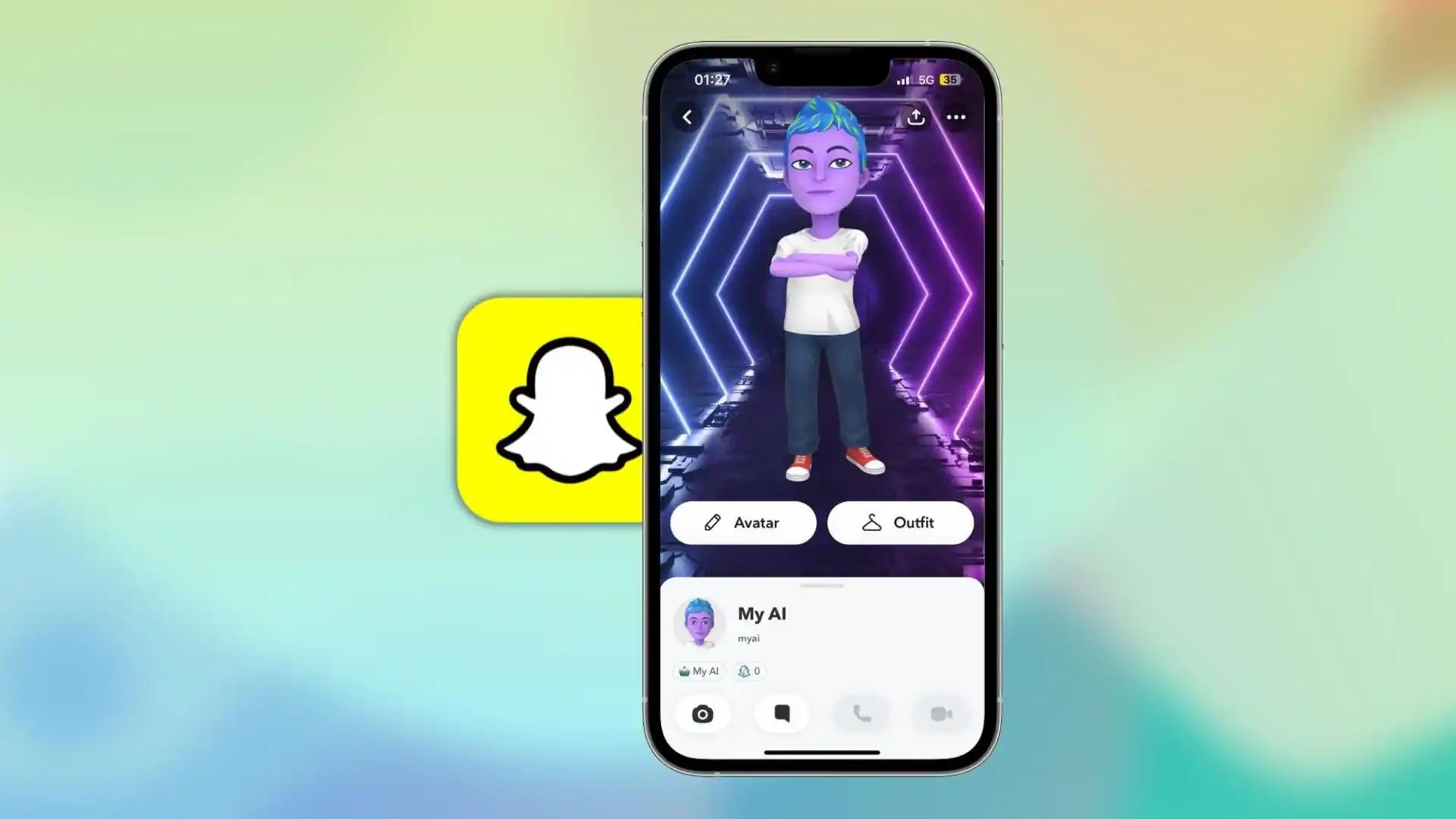

 

Snapchat’s New AI Chatbot Sparks Concerns Over Privacy and Safety, Particularly Among Teens and Parents

Snapchat’s recent introduction of its My AI chatbot has raised alarms among parents and some users, particularly due to the feature’s interaction with younger audiences. Launched last week, My AI is powered by ChatGPT and offers personalized recommendations, answers to questions, and the ability to converse. However, Snapchat’s version differs significantly from ChatGPT by allowing users to customize the chatbot’s appearance and integrate it into their existing conversations with friends, making it feel more personal and potentially blurring the line between human interaction and AI.

Lyndsi Lee, a mother from East Prairie, Missouri, expressed concerns about how her 13-year-old daughter might interact with My AI. “It’s a temporary solution until I know more about it and can set some healthy boundaries,” Lee said, highlighting the difficulty of teaching children how to distinguish between real and artificial interactions, especially when the AI chatbot looks and feels like a human.

Beyond parental concerns, Snapchat users have voiced their displeasure with the chatbot. Many criticize privacy issues, “creepy” conversations, and the inability to remove the feature from their chat feed unless they pay for the premium Snapchat+ subscription. Some users have reported disturbing interactions with the bot, such as misleading responses and unacknowledged contributions in collaborative activities, like songwriting.

In a letter to Snapchat’s executives, U.S. Senator Michael Bennet raised issues about the chatbot’s role in guiding younger users, particularly its potential to suggest deceptive behavior. This has raised fears about how easily vulnerable teens could be manipulated or misled by AI-powered tools on social media platforms.

While some users have found value in the chatbot, using it for homework help and personal advice, the mixed reactions point to the challenges and risks involved in integrating generative AI into widely used platforms like Snapchat, which is especially popular among teenagers.

Experts are also concerned about the psychological effects of AI on teenagers. Clinical psychologist Alexandra Hamlet warns that chatbots could reinforce negative emotional states, as teens might turn to AI for advice when in distress, further exacerbating their mental health challenges.

As AI tools like Snapchat’s My AI become increasingly integrated into apps popular with young people, experts advise parents to engage in open conversations with their children about how to responsibly use these technologies. Sinead Bovell, founder of WAYE, a startup focused on preparing youth for the future, emphasized that “chatbots are not your friend” and urged parents to educate their children about the risks of sharing personal information with AI.

The rapid advancement of AI technology calls for clearer regulations to ensure user safety and privacy, particularly when young users are involved.


Thessaloniki’s New Metro Unveils Ancient Secrets While Modernizing City Transport

Thessaloniki, Greece’s northern metropolis, has unveiled its new underground metro system, a project decades in the making. The much-anticipated system, featuring driverless trains, officially opened on Saturday, drawing tens of thousands of eager passengers despite the rainy and blustery weather. The single subway line, which includes 13 stations, quickly became crowded with city residents eager to experience the new mode of transportation.

Greek Prime Minister Kyriakos Mitsotakis, accompanied by President Katerina Sakellaropoulou and Transport Minister Christos Staikouras, ceremonially launched the metro by pressing a blue button. Mitsotakis remarked that the project’s origins date back to the 1976 budget, with the first signs of progress appearing in 1999, when a banner at the city’s international trade fair proclaimed that the metro would soon be arriving. However, the project faced numerous delays due to legal disputes, real estate conflicts, and debates about the location of stations near significant archaeological sites. These setbacks contributed to a final cost of over 3 billion euros.

The city’s metro system is a significant milestone for Thessaloniki, Greece’s second-largest metropolitan area, which has been plagued by traffic congestion. The new system is expected to reduce daily car usage by 57,000 vehicles and is projected to serve 254,000 passengers daily within the city, with an additional 1 million from the suburbs. The metro’s impact is expected to be substantial, improving both local mobility and the environment.

At the Eleftherios Venizelos station, passengers can view some of the more than 300,000 archaeological artifacts uncovered during construction. These include remnants of the city’s busiest street from the 6th century, along with traces of the shops that lined it. While the removal of these findings for construction purposes sparked protests, temporary exhibitions under protective glass at various stations now allow visitors to view the artifacts.

Future plans include an eastward extension with five additional stations set to open in 2025, while a westward expansion is also in the works. However, the completion of the metro’s connection to Thessaloniki’s busy Macedonia Airport will take several more years.