Novo Nordisk India Pushes for Early Wegovy Launch Amid Rising Competition

Novo Nordisk’s Indian team is urging the Danish pharmaceutical company to expedite the launch of its weight-loss drug Wegovy to counter Eli Lilly’s upcoming rival product, Mounjaro. Sources close to the discussions revealed that while Novo originally planned a 2026 India launch, internal teams are advocating for a 2024 rollout.

Key Developments

  • Launch Timeline: Initially slated for a 2026 release, Novo’s India team is lobbying for a 2024 launch of Wegovy, aligning with Eli Lilly’s expected introduction of Mounjaro.
  • India’s Market Dynamics: India has seen a sharp rise in obesity rates, with government data showing 24% of women and 23% of men classified as overweight or obese.
  • Rising Demand: Obesity treatment awareness campaigns by Novo have spurred interest, with many patients inquiring about weight-loss medications.

Industry Challenges

  • Global Supply Issues: Novo Nordisk and Eli Lilly are grappling with high demand for their GLP-1 receptor agonist drugs, limiting immediate global availability.
  • Regulatory Status: Novo received approval for semaglutide, Wegovy’s active ingredient, in India in late 2022 but awaits further production scale-ups.
  • Competition: India’s generic drugmakers, including Cipla and Dr. Reddy’s, are preparing lower-cost versions, while Sun Pharma is developing its own GLP-1-based experimental drug.

Broader Context

Novo launched Wegovy in China last month at a competitive price of 1,400 yuan ($193.27) per starter dose, significantly lower than the U.S. list price of over $1,300. This pricing strategy may influence its approach in India, where affordability is crucial.
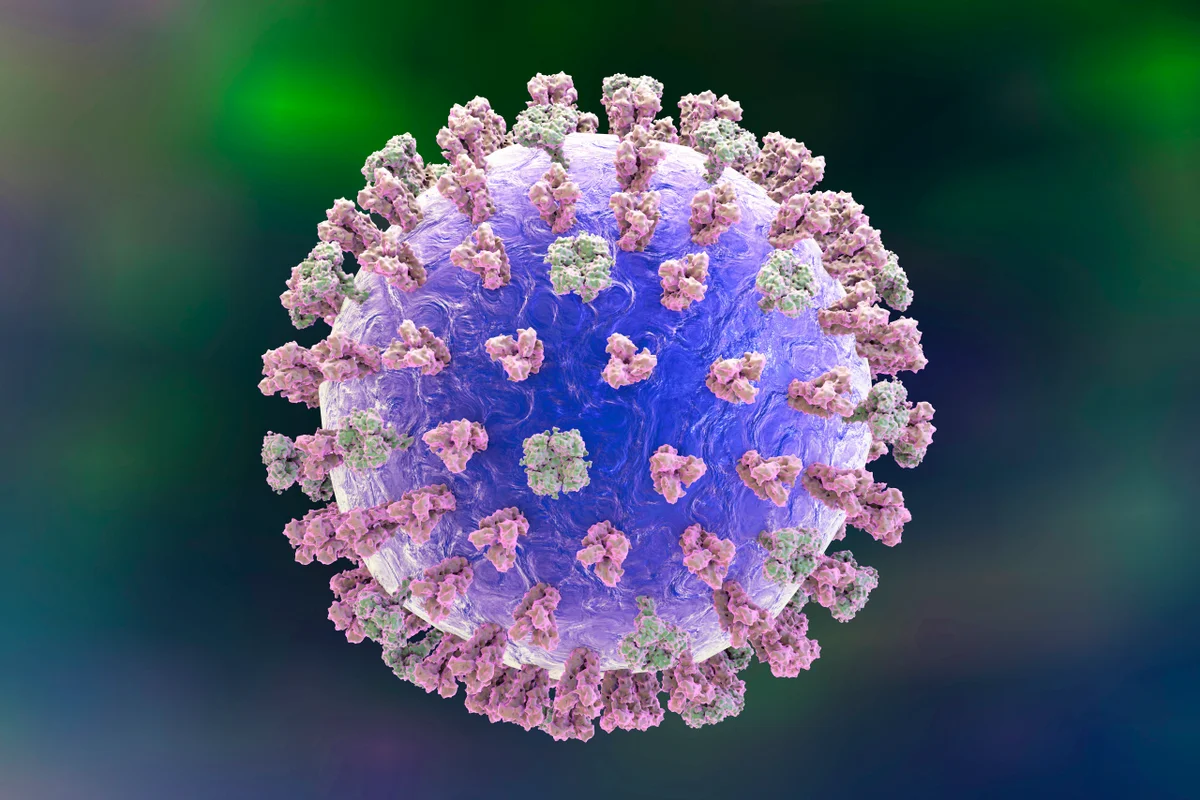
 

UK Acquires Over 5 Million H5 Influenza Vaccine Doses for Pandemic Preparedness

The UK Health Security Agency (UKHSA) announced on Tuesday the acquisition of over five million doses of the human H5 influenza vaccine as a precautionary measure against a potential influenza pandemic.

Key Points

  • Purpose: The vaccine is intended for deployment only if the H5 influenza virus demonstrates sustained human-to-human transmission.
  • Manufacturer: The vaccine will be produced by CSL Seqirus UK Ltd, a healthcare company specializing in influenza prevention and pandemic preparedness.
  • Current Risk Assessment: UKHSA emphasized that there is no evidence of human-to-human transmission of the H5 influenza virus at present.

Broader Context

The H5 influenza virus, a subtype of avian influenza, has been closely monitored due to its potential to mutate and pose a significant public health risk. While the virus primarily affects birds, sporadic cases in humans have raised concerns about its pandemic potential.

The UK’s proactive move reflects its commitment to bolstering national health security and readiness against emerging infectious diseases.


Fuel Oil Smuggling Network Generates $1 Billion Annually for Iran and Proxies

A vast fuel oil smuggling network has emerged in Iraq, allegedly generating over $1 billion annually for Iran and its allies, according to intelligence reports and sources familiar with the operation. This scheme has flourished since Prime Minister Mohammed Shia al-Sudani assumed office in 2022, exploiting government subsidies for heavy fuel oil (HFO) designated for asphalt plants.

Key Details of the Smuggling Network

  1. Scope and Routes
    • Monthly diversion of 500,000 to 750,000 metric tons of HFO, equivalent to 3.4 to 5 million barrels.
    • Two primary routes:
      • Blending Iraqi and Iranian fuel oil to evade U.S. sanctions.
      • Exporting subsidized fuel with forged documentation to disguise its origins.
  2. Key Players and Control
    • Central roles played by Iranian-backed militias such as Asaib Ahl al-Haq (AAH) and Kataib Hezbollah, both tied to Iran’s Revolutionary Guards.
    • The Iraqi State Company for Mining Industry and private entities are deeply implicated.
    • Alleged manipulation of government allocation policies to facilitate smuggling.
  3. Economic Impact
    • Subsidized prices for fuel oil allow significant profit margins on the international market, with export prices ranging from $300 to $500 per ton.
    • Iraqi exports of fuel oil are projected to surpass 18 million tons in 2023, doubling 2021 figures.

Political and Geopolitical Dynamics

  • Iran’s Role
    • Iran benefits from blending operations that enhance the market value of its sanctioned fuel oil.
    • The funds support Iran’s regional influence and proxies, including militias in Iraq.
  • Iraq’s Challenges
    • Iraqi leadership faces pressure from the U.S. to curtail smuggling but depends on Iranian-backed groups for political stability.
    • Prime Minister Sudani’s policies, including reducing subsidized prices and reviewing allocations, appear insufficient to dismantle the network.
  • U.S. Concerns
    • The illicit trade places Iraqi officials at risk of U.S. sanctions, especially given ties to entities like AAH, whose leader, Qais al-Khazali, has been sanctioned since 2019.

Operational Details

  • Blending and Export
    • Blending occurs primarily in Basra, with Khor Al Zubair and Umm Qasr ports serving as export hubs.
    • Iraqi engineers execute blending during ship-to-ship transfers, complicating detection of mixed origins.
  • Policy Exploitation
    • Subsidies and overallocated quotas for asphalt plants are exploited to create surplus fuel for smuggling.
    • Some plants are allegedly fictitious, existing solely to secure fuel oil for export.

Recent Developments

Efforts to reform the system include raising subsidized fuel prices and reviewing plant allocations, yet the smuggling continues. Despite modest price hikes in July, subsequent reductions hint at persistent vulnerabilities in the oversight framework.