
Jaguar Unveils ‘Type 00’ Concept Car Amidst Controversial Rebranding Efforts

INTRODUCTION

British luxury carmaker Jaguar introduced its “Type 00” all-electric concept car, marking the first step under its newly reimagined brand identity. The reveal follows a divisive rebranding campaign that has sparked both praise and criticism, as Jaguar moves to position itself as an all-electric brand by 2026.


KEY DETAILS

The ‘Type 00’ Concept Car

  • Design Features:
    • The “Type 00” concept boasts a minimalist, boxy design with sleek lighting and oversized wheels, diverging significantly from Jaguar’s traditionally sporty aesthetic.
    • While concept cars like the “Type 00” are not intended for consumer sale, they provide insight into the company’s future design language.
  • Future EV Plans:
    • Jaguar plans to launch a four-door electric GT resembling the “Type 00” concept by 2024.
    • The production EVs are projected to offer a range of up to 430 miles per charge and rapid charging capabilities, adding 200 miles of range in just 15 minutes.

Rebranding Efforts and Backlash

  • “Copy Nothing” Campaign:
    • Jaguar unveiled a new logo, fonts, and an artistically flamboyant ad campaign featuring diverse models in a vivid landscape, but notably absent were cars.
    • The ad drew significant criticism online, with detractors calling it “woke” and lamenting the removal of the iconic Jaguar logo.
  • Company Response:
    • Jaguar defended the campaign, describing it as a bold reinvention designed to move away from “traditional automotive stereotypes.”
    • Managing Director Rawdon Glover addressed the backlash, condemning “vile hatred” expressed by some critics while denying that the campaign represented “woke” values.

Transition Challenges

  • Electric-Only Ambitions:
    • Jaguar plans to halt all new car sales in the UK until its relaunch as an electric-only brand in 2026, aligning with broader industry trends.
    • However, this transition comes amid slower-than-anticipated EV adoption globally, a challenge faced by many automakers shifting to electric models.

ANALYSIS

Strategic Risks and Rewards

Jaguar’s ambitious move to redefine itself could reinvigorate its identity in a competitive luxury EV market but risks alienating its traditional customer base. The “Type 00” concept represents a daring departure from its iconic heritage, signaling the brand’s willingness to innovate.

Market Positioning

The transition to electric vehicles positions Jaguar alongside luxury competitors embracing sustainability. However, Jaguar’s price-point adjustment and the high expectations for its new models will be critical in securing its foothold.

Public Perception

While the rebranding campaign succeeded in garnering attention, its polarizing nature underscores the challenge of balancing modern reinvention with legacy preservation. Jaguar’s next steps will likely determine whether it can win back skeptical consumers while appealing to a new demographic.


CONCLUSION

Jaguar’s unveiling of the “Type 00” concept car and its controversial rebranding campaign mark a pivotal moment in its transformation toward an all-electric future. As the company navigates the dual challenges of innovation and customer retention, the success of its upcoming EVs and marketing strategies will shape its legacy in the electric age.

Microsoft Faces £1 Billion UK Lawsuit Over Alleged Overcharging on Rival Cloud Platforms

INTRODUCTION

Microsoft is facing a collective lawsuit in the UK, accused of unfairly leveraging its dominance in the cloud-based server market to overcharge customers of competing cloud providers like Amazon Web Services (AWS), Google Cloud Platform, and Alibaba Cloud. The lawsuit, representing thousands of British businesses, seeks over £1 billion in damages for alleged anti-competitive practices.


KEY DETAILS

  1. Allegations Against Microsoft:
    • Microsoft is accused of charging higher licensing fees for its Windows Server software when used on competitors’ cloud platforms compared to its own Azure cloud service.
    • The lawsuit claims these practices penalize businesses for choosing alternative cloud providers and force them towards Azure, reducing competition.
  2. Legal Representation and Claimant:
    • The collective action, led by competition lawyer Maria Luisa Stasi from Article19, is an “opt-out” lawsuit, meaning all affected UK businesses are automatically included unless they opt out.
    • Stasi argues that Microsoft’s practices result in unfair penalties and seeks compensation for organizations that were overcharged.
  3. Context and Industry Implications:
    • Earlier this year, Microsoft settled a €20 million case with CISPE in the EU, agreeing to equalize prices for its software across smaller cloud platforms and Azure.
    • Despite this, Google filed a fresh EU antitrust complaint in September, accusing Microsoft of software licensing practices that lock customers into Azure and hinder competition.
  4. Competition and Markets Authority (CMA) Investigation:
    • The UK’s CMA is preparing behavioral remedies for anti-competitive practices in the cloud industry, with a provisional decision expected soon.
    • The CMA has previously set a timeline for final decisions by late 2024.

ANALYSIS

  1. Market Impact:
    Microsoft’s pricing strategies could potentially stifle competition by creating financial barriers for businesses to choose alternative cloud solutions. This undermines the competitive landscape, favoring Azure over rivals like AWS and Google Cloud.
  2. Legal and Regulatory Landscape:
    • The ongoing CMA investigation and EU antitrust actions highlight increasing regulatory scrutiny of dominant players in the tech industry.
    • The outcome of this lawsuit could set a precedent for how licensing practices are regulated in the cloud market globally.
  3. Challenges for Microsoft:
    • While Microsoft has attempted to address concerns through settlements, continued allegations and lawsuits underscore the persistence of its licensing controversies.
    • With potential damages exceeding £1 billion, this case poses significant reputational and financial risks.

CONCLUSION

The lawsuit against Microsoft represents a critical moment for competition in the cloud computing industry. If successful, it could lead to broader changes in licensing practices, ensuring fairer competition among cloud providers and benefiting businesses reliant on these technologies.


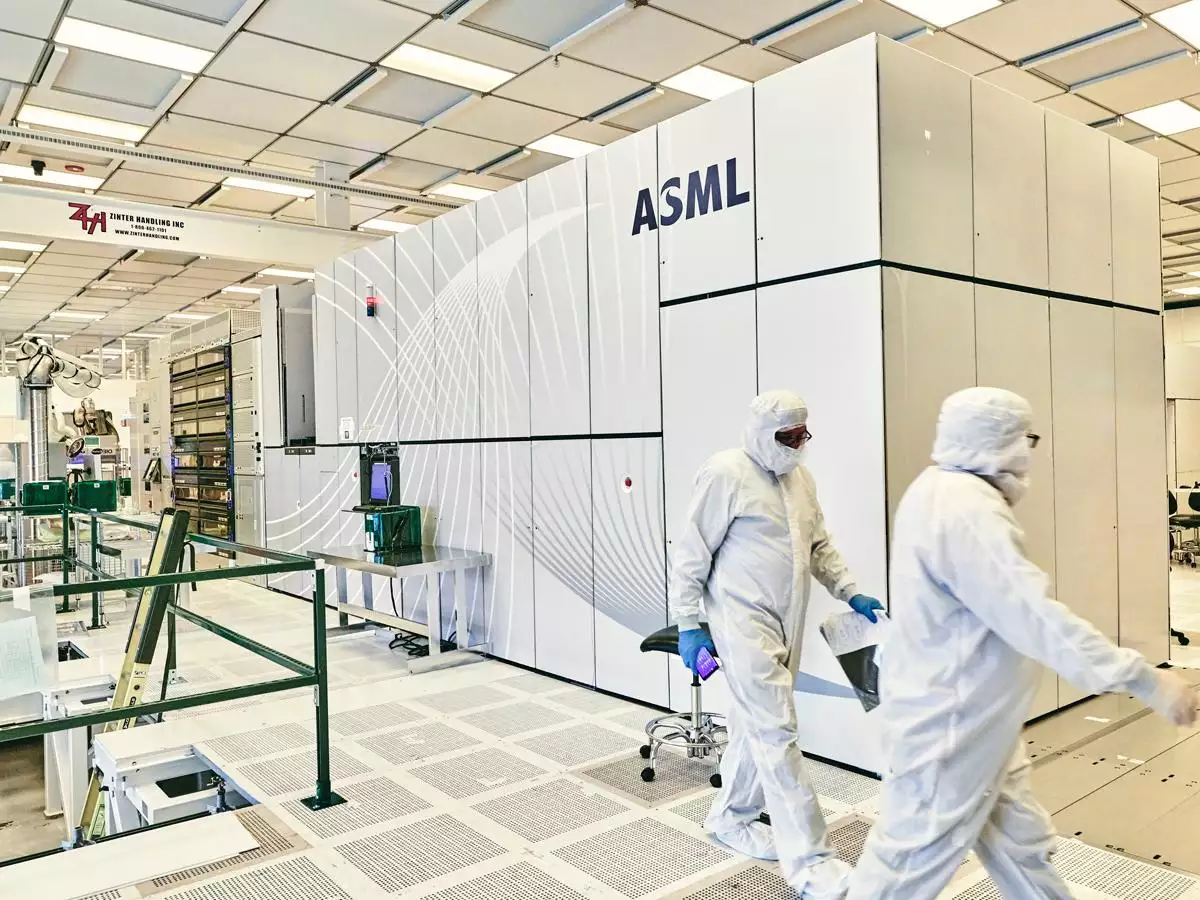
ASML Maintains Financial Guidance Despite New U.S. Restrictions on China Chip Exports

INTRODUCTION:
ASML Holding, the leading Dutch semiconductor equipment manufacturer, has reaffirmed its financial projections for 2025 despite the latest U.S. export restrictions targeting China’s chip industry. The company cited minimal long-term impact from the new rules, while the Dutch government expressed alignment with U.S. concerns over advanced semiconductor exports.

KEY DETAILS

  1. ASML’s Financial Guidance:
    • ASML reiterated its November 14 outlook, forecasting group sales between €30-35 billion ($31.5-36.7 billion) in 2025.
    • The company projects China’s contribution to its sales to drop to 20% by 2025, a significant decline from approximately 50% this year.
  2. Impact of U.S. Restrictions:
    • The latest U.S. measures target semiconductor equipment exports to China, including ASML’s deep ultraviolet (DUV) lithography systems, if enforced by Dutch authorities.
    • The new rules also impose stricter controls on computational lithography software and metrology equipment critical to chip production.
  3. Dutch Government’s Position:
    • The Netherlands supports U.S. concerns about uncontrolled semiconductor equipment exports and is evaluating the implications of the updated regulations.
    • Dutch authorities reiterated that export decisions are based on their national security assessments.
  4. ASML’s Long-Term Outlook:
    • ASML stated that the global demand for semiconductors underpins its growth scenarios, minimizing the long-term impact of these regulations.
    • The company’s shares closed 0.9% higher at €664.10 in Amsterdam following the announcement.
  5. Industry-Wide Implications:
    • The restrictions represent the third wave of U.S. efforts in recent years to curtail China’s semiconductor development.
    • Chinese entities, including additional subsidiaries of Semiconductor Manufacturing International Corporation (SMIC), face tightened export curbs.
    • Japanese competitors Nikon and Canon are also affected by restrictions on computational lithography software.

CONTEXT AND ANALYSIS

  • Strategic Implications for ASML:
    ASML’s dominant position in lithography machine manufacturing mitigates immediate risks. However, its reliance on China as a key market presents challenges as geopolitical tensions persist.
  • Dutch Government’s Balancing Act:
    While aligning with U.S. security concerns, the Netherlands must navigate its own economic interests and maintain a competitive edge in the semiconductor sector.
  • Broader Market Impact:
    The global semiconductor supply chain remains under pressure as U.S.-China tech rivalry escalates, with regulatory measures reshaping industry dynamics.

CONCLUSION

ASML’s confidence in its financial resilience reflects the strength of its market leadership and strategic planning. However, the evolving regulatory environment underscores the complexities of balancing business growth with geopolitical realities in the semiconductor industry.