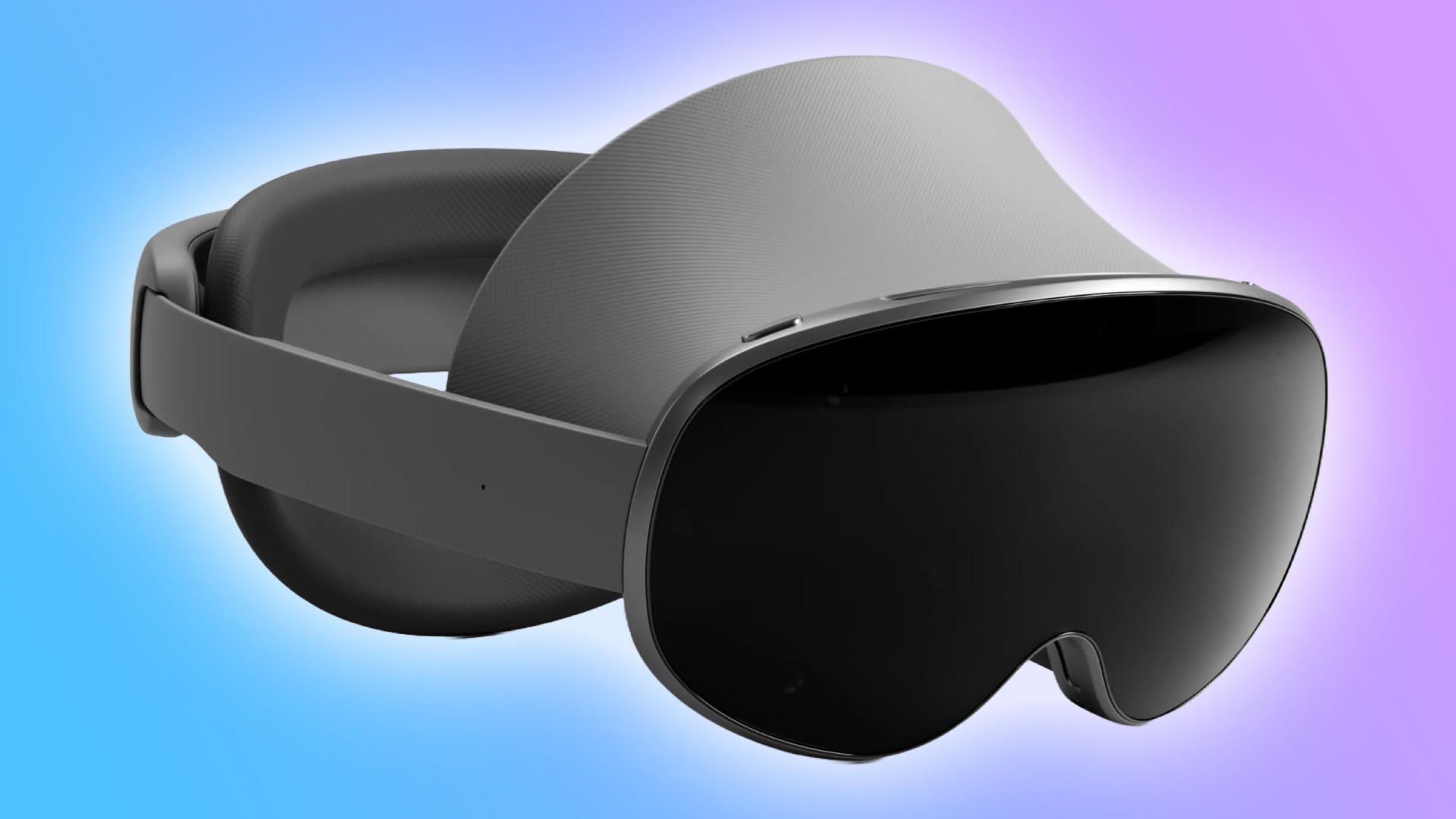
Samsung Announces Moohan Android XR Headset to Rival Apple Vision Pro in 2025

Samsung has officially unveiled its first extended reality (XR) headset, codenamed Project Moohan, set to compete in the rapidly growing market of mixed reality devices. The Moohan headset was demonstrated during Google’s introduction of its Android XR operating system, a new platform tailored for augmented reality (AR) glasses and mixed reality headsets. This headset, set to launch in 2025, aims to rival industry giants such as Apple’s Vision Pro and Meta’s Quest 3, with features that blend AR, virtual reality (VR), and artificial intelligence (AI) into a seamless user experience.

The Moohan XR headset will run on Google’s Android XR, a platform built with advanced support for AR, VR, and AI-powered applications. One of the standout features is the integration of Google’s Gemini AI assistant, which will bring voice commands and intelligent assistance directly to the headset. While Samsung has yet to release specific details about the launch timeline or pricing, the device is expected to arrive next year, and it will be the first headset to use the Android XR operating system, marking a significant step in the development of Android-based XR devices.

In terms of hardware, the Moohan XR headset promises cutting-edge displays and passthrough capabilities, allowing users to blend the virtual and real worlds with ease. It will also support multi-modal input, providing users with a range of control options, from hand gestures to voice commands, for a more immersive experience. This places the Moohan headset in direct competition with other high-end XR devices, including Apple’s Vision Pro, which boasts impressive Micro-OLED displays with a per-eye resolution of 3,660 × 3,200 pixels, setting a high standard for visual clarity and performance.

Samsung’s Moohan headset is shaping up to be a formidable player in the XR space, combining state-of-the-art display technology with powerful AI integration and multi-modal interaction. As the company prepares to enter the market, all eyes will be on how it positions itself against the established leaders like Apple and Meta, and whether it can offer a compelling alternative in terms of features, performance, and price.
Trump Suggests Keeping TikTok in the US for the Time Being

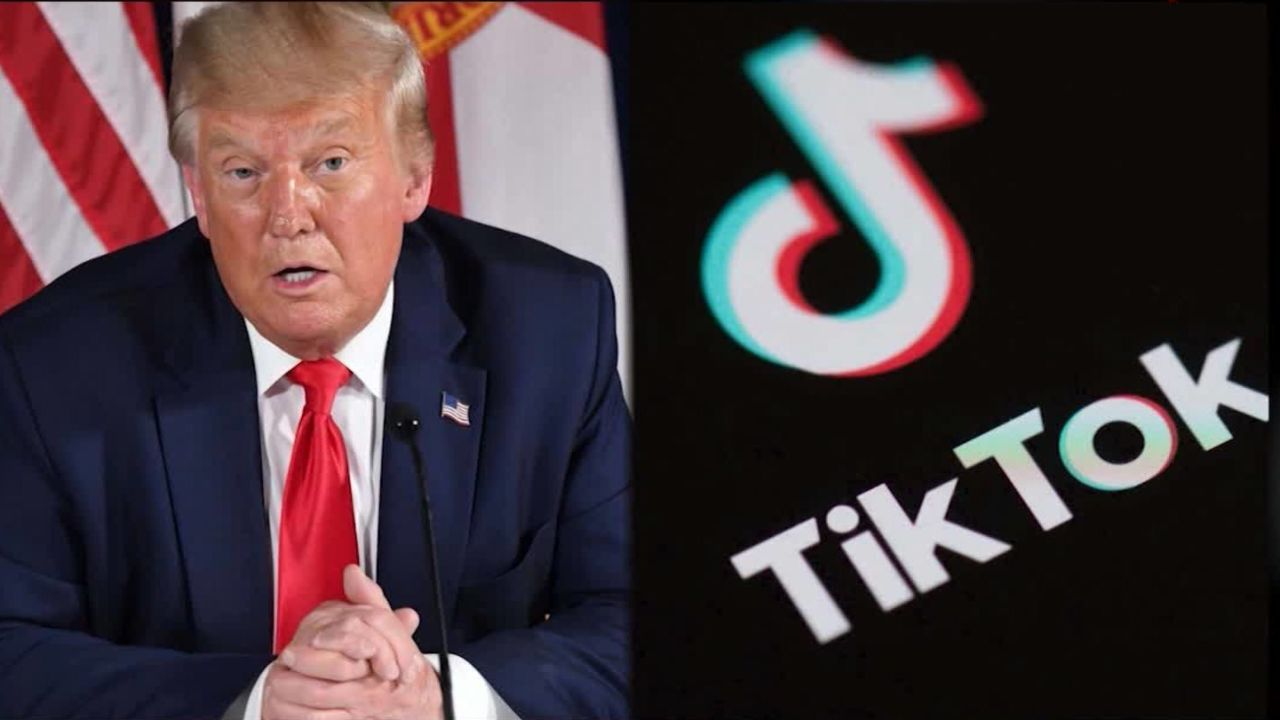
President-elect Donald Trump has expressed a preference for allowing TikTok to continue operating in the United States, citing the platform’s significant role in his presidential campaign. Speaking to a conservative crowd in Phoenix, Arizona, Trump remarked on the app’s success during his campaign, noting the billions of views he received on TikTok. These comments are the strongest indication yet that he opposes a potential U.S. exit for the popular social media platform.

Earlier in April, the U.S. Senate passed a law demanding TikTok’s Chinese parent company, ByteDance, divest the app, citing national security concerns. TikTok has fought this move in court, and the U.S. Supreme Court has agreed to hear the case. If ByteDance loses and no divestment occurs, the app may face a ban in the U.S. by January 19, just one day before Trump’s inauguration.

Trump, however, hinted that the situation might need to be reconsidered. He referred to the overwhelming response to his content on TikTok, saying, “Maybe we gotta keep this sucker around for a little while.” He also met with TikTok’s CEO on Monday and expressed a “warm spot” for the app due to its impact on his campaign’s visibility.

Despite Trump’s remarks, the U.S. Justice Department maintains that TikTok, under Chinese ownership, poses a national security threat. This position is widely supported by U.S. lawmakers. TikTok, however, defends its operations, asserting that user data is stored in the U.S. on servers run by Oracle Corp and that decisions about content moderation are made within the country.


US Judge Finds Israel’s NSO Group Liable for Hacking in WhatsApp Lawsuit

A U.S. judge has ruled in favor of Meta Platforms’ WhatsApp in a lawsuit against Israel’s NSO Group, finding the company liable for exploiting a vulnerability in WhatsApp’s messaging app to install spyware, enabling unauthorized surveillance. U.S. District Judge Phyllis Hamilton of Oakland, California, granted WhatsApp’s motion and found NSO liable for hacking and breach of contract. The case will now proceed to trial, but only to determine the amount of damages.

WhatsApp’s head, Will Cathcart, hailed the ruling as a victory for privacy, stating that spyware companies could no longer hide behind immunity or avoid accountability for unlawful actions. A spokesperson for WhatsApp expressed their gratitude for the decision, reaffirming the company’s commitment to protecting users’ private communications.

Cybersecurity experts, including John Scott-Railton from Citizen Lab, welcomed the ruling as a landmark decision with significant consequences for the spyware industry. He noted that the ruling clarifies that NSO Group is responsible for violating numerous laws, as the company could no longer evade accountability for its actions.

WhatsApp sued NSO in 2019, accusing it of using a vulnerability to access WhatsApp’s servers and install Pegasus spyware on users’ devices. The lawsuit claimed the intrusion enabled the surveillance of 1,400 individuals, including journalists, human rights activists, and dissidents. NSO had defended itself by arguing that its technology was intended to help law enforcement and intelligence agencies combat crime and terrorism.

Despite this defense, NSO failed in its attempt to secure “conduct-based immunity,” which protects foreign officials acting in their official capacity. The 9th U.S. Circuit Court of Appeals upheld the decision in 2021, and the U.S. Supreme Court declined to hear NSO’s appeal, allowing the lawsuit to move forward.