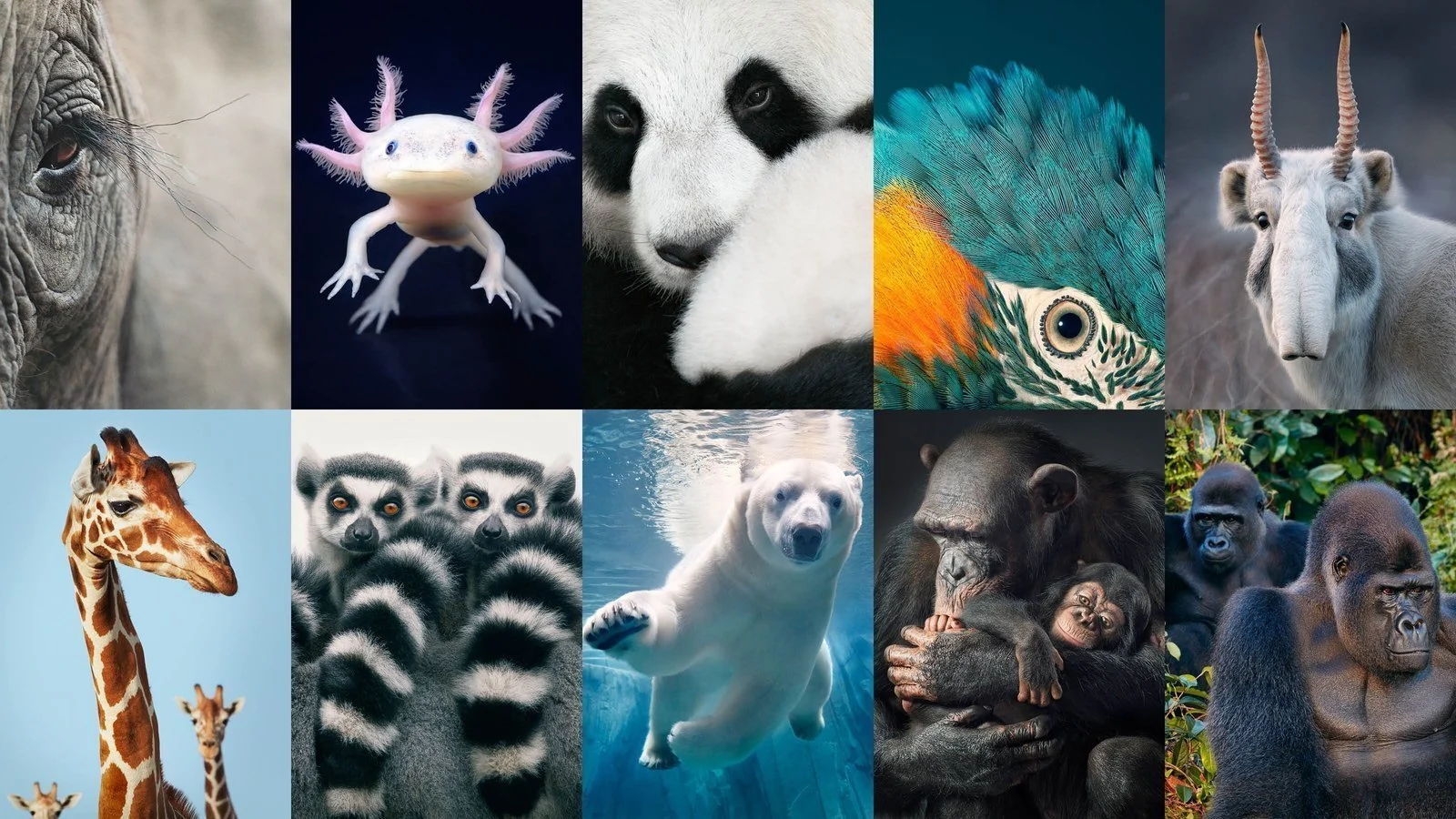
Nearly 1,000 Endangered Animals Repatriated from Thailand to Madagascar

In a significant victory against wildlife trafficking, nearly 1,000 endangered tortoises and lemurs are being returned from Thailand to their native Madagascar. This repatriation, which began Saturday, is the largest operation of its kind between the two nations, Thai officials announced.

The animals, which include critically endangered spider tortoises, radiated tortoises, ring-tailed lemurs, and brown lemurs, were seized in May during an anti-trafficking operation in Chumphon province. The species are listed under the Convention on International Trade in Endangered Species of Wild Fauna and Flora (CITES) as among the world’s most endangered. They are often targeted for the exotic pet trade, despite the difficulties in replicating their natural habitats, which puts their survival at significant risk.

Recovery and Challenges

Thai authorities rescued 1,117 animals during the operation, but eight had already died due to harsh conditions during smuggling. Others succumbed later due to poor health caused by inadequate food, water, and unsuitable living conditions.

Despite these losses, Thai officials, in collaboration with Madagascan authorities, are sending 961 surviving animals back home on three Qatar Airways flights. The first group departed Saturday, following an official handover ceremony in Bangkok.

Dr. Chalermchai Sri-on, Thailand’s Minister of Natural Resources and Environment, emphasized the operation as a testament to Thailand’s commitment to combating illegal wildlife trafficking and ensuring the welfare of rescued animals.

A Global Message Against Trafficking

Attapol Charoenchansa, head of Thailand’s Department of National Parks, Wildlife, and Plant Conservation, highlighted the global significance of the operation. “Broadcasting such efforts worldwide sends a strong message that wildlife trafficking is unacceptable, even for those with the resources to purchase and collect these animals,” he stated.

The UK-based conservation group Traffic praised the operation, calling it “a true testament to the power of international collaboration” in addressing wildlife trafficking.

Madagascar’s Biodiversity Under Threat

Illegal wildlife and timber trades are identified as the second-largest threat to Madagascar’s biodiversity, according to Traffic’s 2023 report. Thailand, the largest importer of Malagasy wildlife in Southeast Asia, plays a key role in this trade, which often involves re-exporting threatened species. From 1975 to 2019, Thailand imported nearly 35,000 animals and animal products from Madagascar, either directly or indirectly.

This repatriation effort marks a critical step in preserving Madagascar’s unique and threatened ecosystems while raising global awareness about the perils of wildlife trafficking.

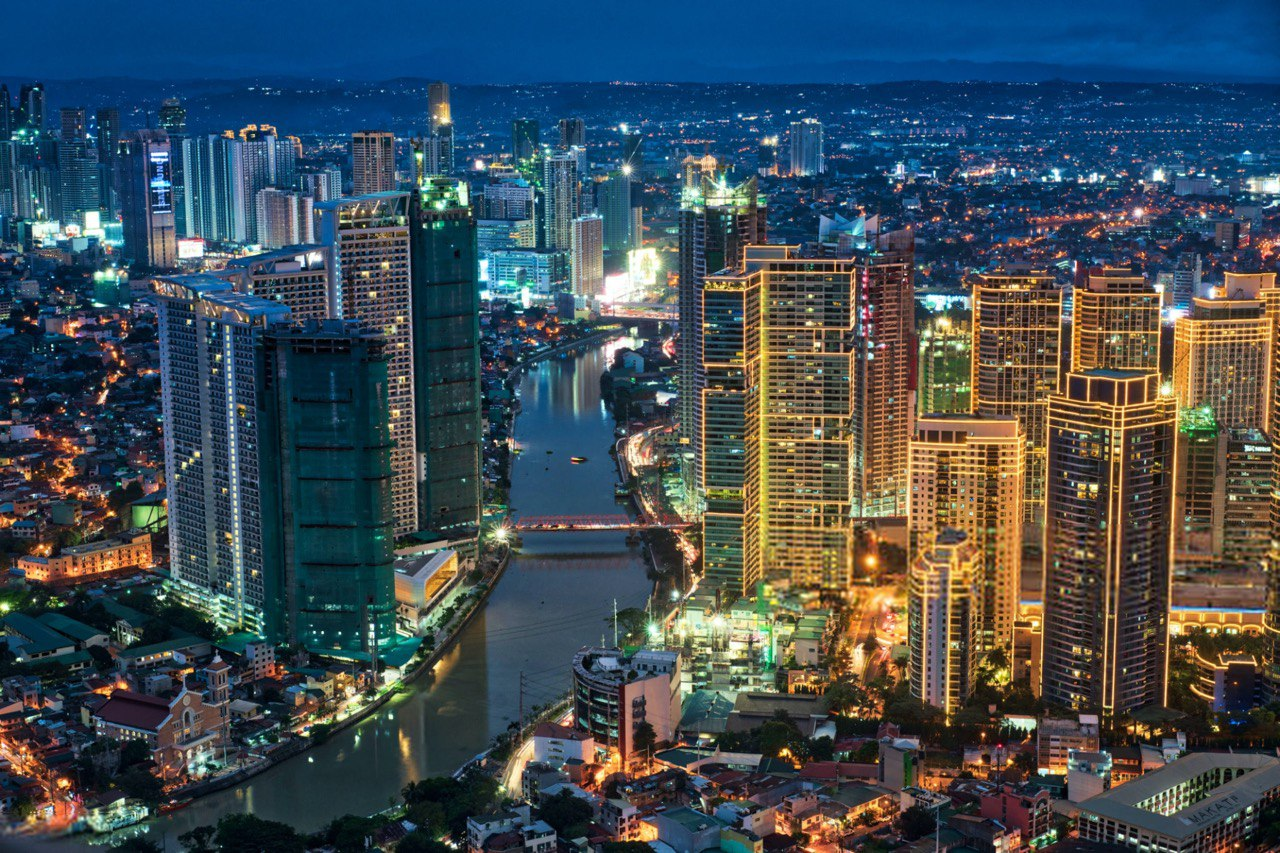
Canadian News Media Companies Sue OpenAI Over Copyright Breaches

Five prominent Canadian news organizations—Torstar, Postmedia, The Globe and Mail, The Canadian Press, and CBC/Radio-Canada—filed a legal claim against OpenAI, accusing the company of violating copyright laws and online terms of use. The lawsuit alleges that OpenAI has been systematically scraping large volumes of content to train its generative AI models without obtaining permission or offering compensation.

This legal action is part of a broader wave of lawsuits targeting AI companies, including OpenAI, for alleged misuse of copyrighted materials. Authors, visual artists, music publishers, and other content creators have also raised concerns about the use of their work in AI training.

In their joint statement, the Canadian media companies emphasized the importance of journalism as a public good. “OpenAI using other companies’ journalism for their own commercial gain is not just unethical—it’s illegal,” the statement declared.

The lawsuit, filed in Ontario’s superior court of justice, demands financial damages and a permanent injunction to prevent OpenAI from using the plaintiffs’ content without explicit consent. “Rather than seek information legally, OpenAI has opted to misappropriate our intellectual property for its commercial purposes without any form of compensation,” the filing states.

OpenAI’s Response

OpenAI defended its practices, asserting that its models are trained on publicly available data and adhere to principles of fair use and international copyright standards. A spokesperson highlighted OpenAI’s ongoing collaboration with news publishers, including providing content attribution and opt-out mechanisms.

“We aim to ensure a fair approach for creators while offering tools for publishers to manage their content in ChatGPT search,” OpenAI stated.

Legal Context and Industry Trends

The Canadian lawsuit follows a Nov. 7 ruling in the United States where a New York federal judge dismissed a similar case against OpenAI involving articles from news outlets Raw Story and AlterNet.

Microsoft, OpenAI’s primary backer, was not mentioned in the Canadian legal filing. However, earlier this month, Elon Musk expanded his own lawsuit against OpenAI to include Microsoft, alleging anti-competitive practices in the generative AI sector.

The outcome of this case could have significant implications for how AI companies source and use content in model training, shaping the future relationship between technology firms and content creators.


Southeast Asia Salaries to Rise in 2025, with Singapore and Thailand Trailing

Salaries across Southeast Asia are projected to see greater increases in 2025 compared to 2024, according to a report by professional services firm Aon. Conducted from July to September 2024, the study analyzed data from over 950 companies in Indonesia, Malaysia, the Philippines, Singapore, Thailand, and Vietnam.

The report highlighted that talent attraction and retention has become a critical challenge for organizations in the Asia-Pacific, rising from the ninth most significant risk in 2021 to the fourth in 2023, as per Aon’s Global Risk Management Survey.

“The anticipated salary hikes for 2025 remain higher than in 2024, even with expectations of a softer inflationary and interest rate environment,” said Rahul Chawla, Aon’s head of talent solutions for Southeast Asia. This trend underscores a mismatch between talent supply and demand that transcends inflationary pressures.

Several factors, including high demand for skilled talent, are driving the salary increases. For example, Southeast Asia has become a hotspot for technology companies establishing operations, particularly in Singapore. This influx of capital fuels the demand for skilled professionals to support growth.

Emerging skill sets, such as prompt engineering related to AI technologies like ChatGPT, are also reshaping the talent landscape. “These are skills that barely existed two years ago but are now in high demand,” noted Cheng Wan Hua, Aon’s director of talent analytics for Southeast Asia.

Projected Salary Increases by Country

  • Vietnam: From 6.4% in 2024 to 6.7% in 2025.
  • Indonesia: From 5.7% in 2024 to 6.3% in 2025.
  • Philippines: From 5.4% in 2024 to 5.8% in 2025.
  • Malaysia: Remaining steady at 5%.
  • Thailand: Increasing from 4.4% in 2024 to 4.7% in 2025.
  • Singapore: From 4.2% in 2024 to 4.4% in 2025.

Industry Trends
The technology and manufacturing sectors are forecasted to experience the highest average salary bumps at 5.8%. Other sectors, such as retail and life sciences, anticipate increases of around 5.4%. On the lower end, industries like energy, financial services, and transportation are projected to see more modest rises of 4.9%, 4.8%, and 4.1%, respectively.

Singapore and Thailand Lagging Behind

Both Singapore and Thailand are expected to see smaller increases compared to the regional average. Singapore’s status as a developed market, with lower inflation and slower GDP growth, contributes to its restrained wage growth, Chawla explained. Thailand faces slower economic growth and limited mobility of its talent pool due to language and deployment barriers, which constrain salary adjustments within the local market.

This regional trend reflects a shifting focus on competitive compensation as businesses strive to address the pressing challenge of talent acquisition and retention.