Fossilized Footprints Reveal Ancient Encounter Between Two Human Species

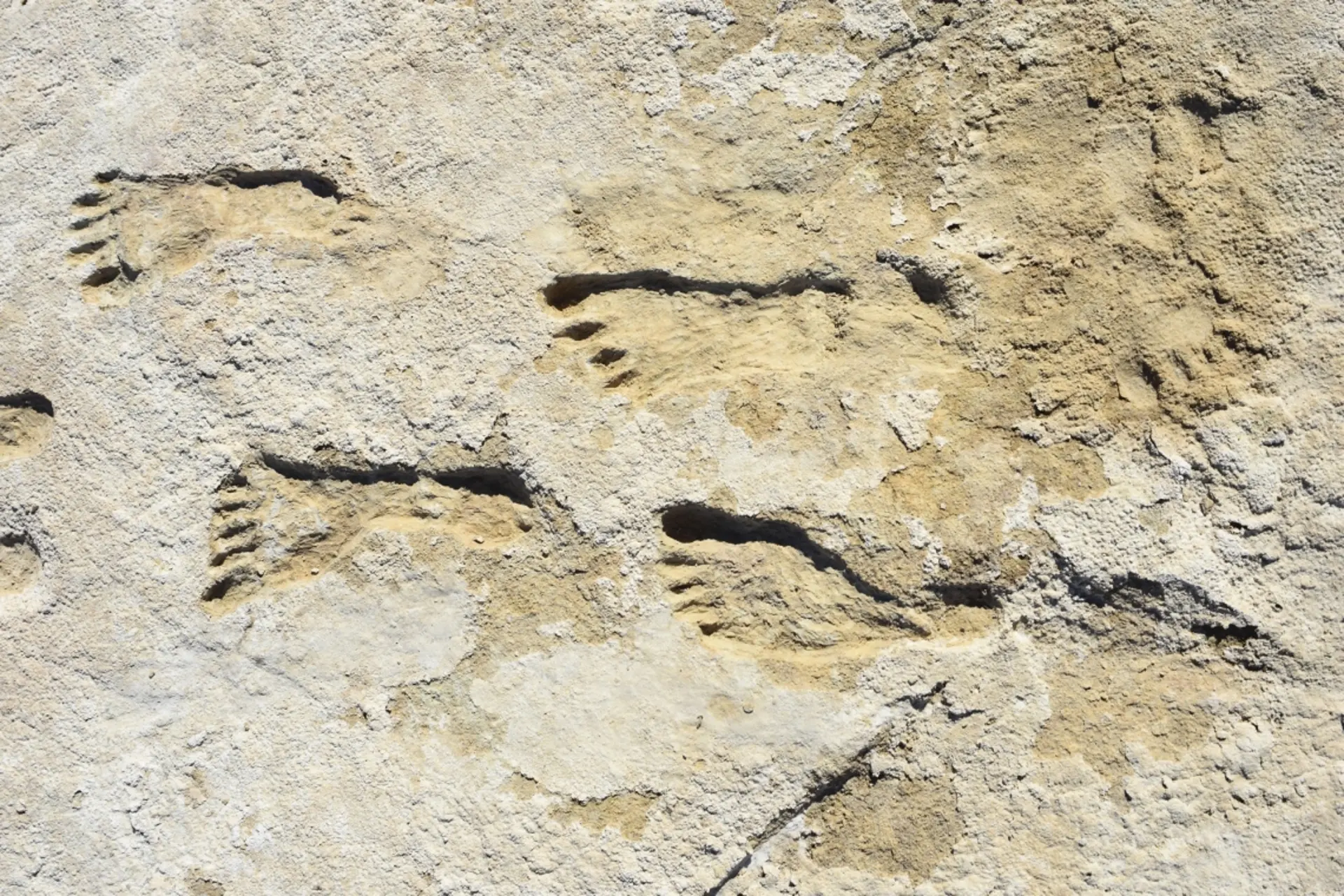
A remarkable discovery in Kenya has provided rare evidence of two distinct species of ancient humans crossing paths more than 1.5 million years ago. The fossilized footprints, preserved in the mud of a lakeshore, offer a snapshot of a moment in history when Homo erectus and Paranthropus boisei may have shared the same landscape, possibly interacting with each other.

This extraordinary find, published in the journal Science, was made at Koobi Fora, located on the eastern shore of Lake Turkana. The discovery was made during excavations in 2021 and 2022, where researchers unearthed 23 square meters (248 square feet) of sediment containing 11 hominin tracks, alongside tracks of large birds and other animals. Among these footprints, one trackway of 12 footprints stood out, suggesting it was made by a single individual walking at a steady pace through the mud.

Kevin Hatala, an associate professor of biology at Chatham University and lead author of the study, remarked on the surprising nature of the find. “It’s remarkable that two similarly sized, large-bodied hominin species coexisted in the same environment,” Hatala said. “They were likely aware of each other and could have interacted.”

The Discovery and Preservation of Footprints

The first footprint was discovered in July 2021, and after initial excavation, the site was carefully reburied to preserve its integrity. Further excavation the following year uncovered additional tracks, providing clear evidence of hominin activity at the site. The footprints were found to be unusually well-preserved, likely due to the soft, fine mud and sediment that covered them shortly after they were made. The lack of cracking or erosion suggests that the tracks were imprinted within hours or a few days of one another.

Despite not being able to directly date the footprints, the researchers were able to date the layers of volcanic ash found nearby, which were determined to be approximately 1.52 million years old. This places the footprints in a similar time frame.

Hominin Species Identified

Through detailed analysis of the footprints, the researchers identified that the tracks were made by two different species of hominins: the larger-bodied Homo erectus and the smaller-brained Paranthropus boisei. The long trackway with 12 footprints is believed to have been made by a member of P. boisei, while three scattered footprints were attributed to Homo erectus.

Hatala, who is an expert in foot anatomy, conducted a detailed comparison of the prints with those of modern humans and other ancient hominin species. The results revealed distinct patterns in gait, stance, and motion, allowing him to differentiate between the two species. While the Homo erectus footprints closely resembled those of modern humans, the P. boisei tracks displayed a different pattern, likely due to the species’ distinct anatomy and diet.

A Rare Glimpse into Ancient Interactions

The footprints provide a rare glimpse into a period when Homo erectus and Paranthropus boisei may have shared a habitat. Hatala suggested that the two species coexisted in the same area for an extended period—possibly over 100,000 years—with little evidence of direct competition. Instead of driving each other away, the species may have adapted to share the same resources, navigating a landscape populated by dangerous animals such as crocodiles and hippos.

This discovery adds to the growing body of evidence that early human species were capable of living in close proximity without necessarily competing for the same resources. “This find offers the first physical proof that different hominin species overlapped in the same time and space, possibly avoiding each other or coexisting peacefully,” Hatala explained.

Orcas Develop Strategy to Hunt Whale Sharks, New Research Reveals

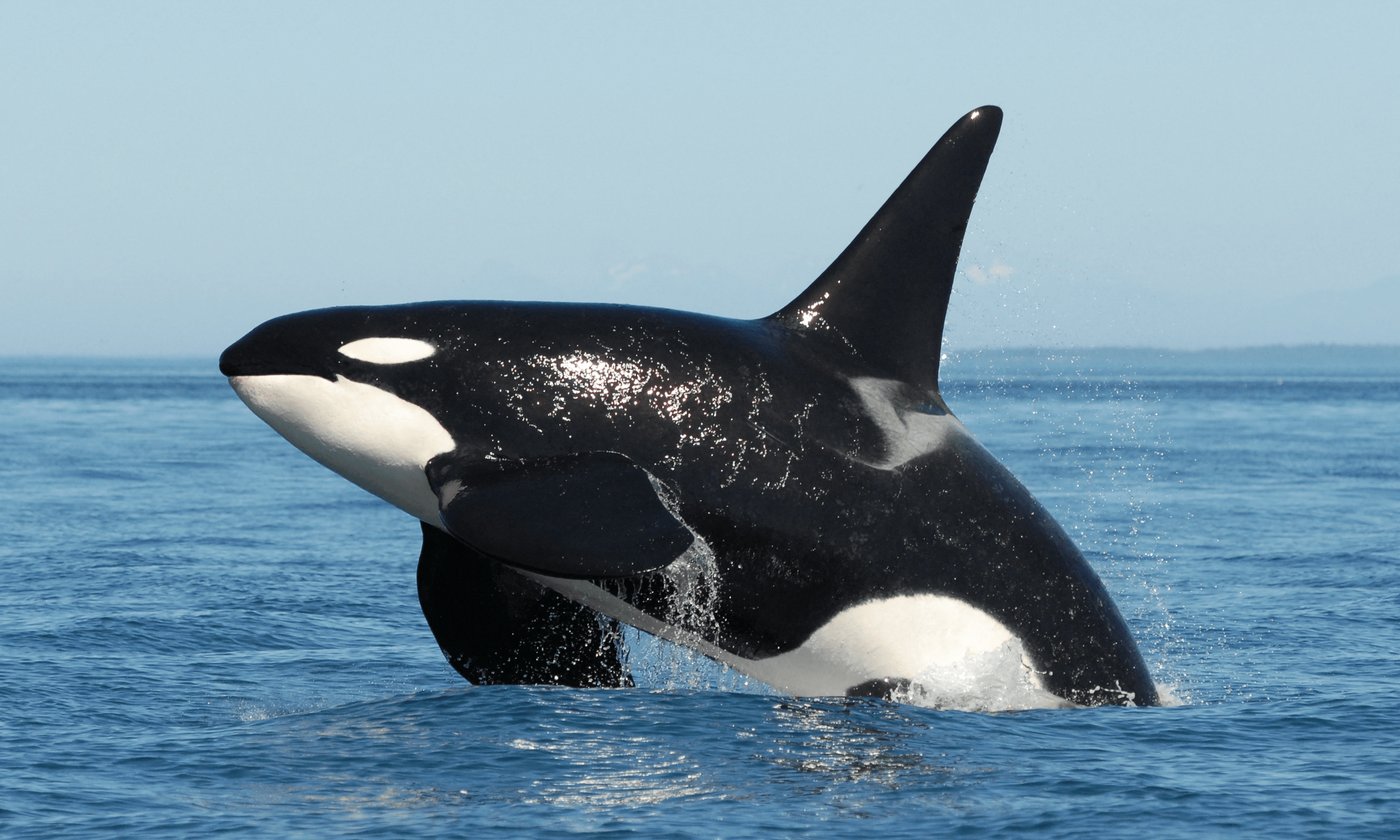
A groundbreaking study has revealed that orca pods in the Pacific Ocean off Mexico’s coast have developed an ingenious hunting strategy to target whale sharks, the world’s largest fish. While it was previously speculated that orcas could prey on these massive sharks, the behavior had never been documented in detail—until now. Researchers captured four separate hunting events from 2018 to 2024, providing clear evidence of how orcas are able to subdue and kill these giant creatures.

The hunts typically involve young whale sharks, ranging from 3 to 7 meters (10 to 23 feet) in length, making them more vulnerable to the orcas’ predation. Although whale sharks can grow up to 18 meters (60 feet) in length, their size doesn’t necessarily confer an advantage when confronted by a pod of skilled orcas.

“The whale shark has the smallest brain relative to body mass, and its brain is only about the size of an egg,” said Francesca Pancaldi, the study’s lead author and a researcher at Centro Interdisciplinario de Ciencias Marinas in Mexico. “It’s a slow-moving fish with tiny teeth that don’t serve as a defense mechanism.”

The study, published in Frontiers in Marine Science, detailed the orca pod’s methodical approach to hunting the whale sharks. By using their bodies to strike the sharks at high speed, the orcas are able to flip them upside down, a maneuver known as tonic immobility, where the shark becomes temporarily paralyzed in fear. Once the whale shark is immobilized, the orcas target its abdomen, allowing blood to drain from the shark before consuming its internal organs.

A Unique and Powerful Hunting Technique

The study showed that orcas work together as a coordinated group during these hunts. One orca will strike the whale shark on its belly, while others may target the shark’s head, systematically flipping it over. This cooperative approach makes it easier for the orcas to overpower their prey, despite the shark’s massive size.

The researchers speculate that the orcas are particularly interested in the whale shark’s liver, which is rich in nutrients and constitutes a large portion of the shark’s body weight, although they did not directly observe the orcas consuming this organ.

Sarah Teman, a doctoral student at the University of Washington, commented on the importance of the finding: “This is the first time we’ve clearly documented orcas hunting whale sharks, and it’s exciting because it showcases the adaptability of orcas in targeting the world’s largest sharks.”

Orca Behavior and Ecological Impact

Orcas are known as apex predators of the ocean, preying on a wide range of marine creatures, including fish, seals, dolphins, and even other sharks. While there is only one species of orca, different ecotypes or groups exhibit distinct behaviors based on their prey preferences. The Gulf of California orcas might represent a new ecotype that specializes in hunting elasmobranchs—sharks and rays.

Moctezuma, an 8-meter (26-foot) male orca, is one of the key hunters in this pod and has been observed targeting other elasmobranch species, such as Munk’s pygmy devil rays, bull sharks, and stingrays. The study authors suggest that further research is needed to confirm whether these Gulf of California orcas could be classified as a new ecotype.

Interestingly, in other parts of the world, orcas have also been observed developing unique techniques to hunt great white sharks. In South Africa, this behavior has had an ecological impact, as the presence of orcas has driven great white sharks away from some coastal areas. However, the researchers in Mexico do not believe that orcas’ predation on whale sharks has caused any significant harm to their population or the wider ecosystem in the Gulf of California.

Starbucks Opens Cafe with a View of North Korea

Starbucks has opened a unique cafe in South Korea, offering coffee lovers the chance to enjoy their brews while gazing across the border into North Korea. Located in the Aegibong Peace Ecopark in Gimpo city, the cafe sits on an observation tower, just 20 miles north of Seoul, and offers a view of the Hermit Kingdom across the Jo River, which separates the two nations.

The 30-seat Starbucks opened its doors on Friday, November 29, drawing crowds eager to witness the rare sight of North Korea from afar. On clear days, patrons can spot farms and low-rise buildings in Kaepung county, one of North Korea’s border regions. Some visitors with binoculars or high-powered cameras even reported glimpsing people walking in the distance.

“I wish I could share this tasty coffee with the people living in North Korea right in front of us,” said local resident Baek Hea-soon, 48, reflecting on the symbolic nature of the location.

A Unique Location with Historical Significance

The cafe’s position at the Aegibong Peace Ecopark is steeped in history. Situated near the Korean Demilitarized Zone (DMZ), which remains one of the most heavily fortified borders in the world, the area once hosted Hill 154, a site of fierce fighting during the Korean War. Today, the park serves as a point of interest for tourists seeking a rare glimpse into North Korea.

Gimpo Mayor Kim Byung-soo praised the location as an embodiment of the “charm of Korean culture,” while local authorities aim to leverage the site’s historical importance to increase tourism. The Starbucks outlet is one of the few ways for South Koreans and international visitors to get a look at North Korea, albeit from a distance, without entering the isolated country.

Visitors’ Reactions and International Context

On opening day, some patrons, like 80-year-old Lim Jong-chul, noted the contrast between the tense security of the region and the sense of peace offered by the cafe’s serene setting. Lim, a Vietnam War veteran, expressed that the cafe gave a feeling of reassurance despite the political tensions that persist.

The cafe’s debut comes at a time of heightened tension between North and South Korea. Despite an armistice ending the Korean War in 1953, the two countries technically remain at war, with no formal peace treaty signed. Recent remarks from North Korean leader Kim Jong Un, including threats to use nuclear weapons against South Korea, have further strained relations.

A Shift in North Korea’s Tourism Policy

While North Korea is currently closed to tourists due to the Covid-19 pandemic, tour companies suggest that the country may begin to reopen limited international tourism by the end of 2024. In the meantime, the Starbucks at the DMZ offers a new way for visitors to engage with the geopolitical landscape and the ongoing divide between the two Koreas.

The cafe provides an alternative to the typical DMZ tours that attract thousands of visitors annually, offering a unique blend of coffee culture and a front-row seat to one of the world’s most politically charged borders.