
EU Airlines Approve Google’s Proposed Search Result Changes under Digital Markets Act

Google’s proposed updates to its search result presentation, aimed at complying with the EU’s Digital Markets Act (DMA), have received support from Airlines for Europe, a lobbying group representing major carriers like Air France KLM and Lufthansa.

The DMA mandates that tech giants like Google cannot prioritize their own products and services on their platforms, with non-compliance potentially resulting in fines of up to 10% of global annual turnover. Google has recently rolled out multiple adjustments to its search result formats to address demands from various stakeholders, including airlines, hotels, price-comparison websites, and small retailers. The latest modifications were announced in November.

Airlines for Europe commended Google’s proposed horizontal layout, which features equally sized boxes for airlines and comparison sites, as well as the use of the color blue to distinguish these elements from other search results. However, the group highlighted several areas for improvement in a letter to the European Commission dated December 20.

KEY CONCERNS AND SUGGESTIONS

  1. Price Consistency: Airlines for Europe stressed the need for displayed prices in the graphics to align with those within the search result boxes.
  2. Specific Dates: The group criticized Google’s proposal for indicative dates in search results, arguing that precise dates are essential for consumers booking air travel. The switch to vague dates, they warned, would significantly degrade the user experience.

Despite these concerns, the airline industry indicated its willingness to compromise in pursuit of a DMA-compliant solution.

POTENTIAL REVERSION TO OLD FORMAT

In response to ongoing disagreements among airlines, price-comparison websites, and other stakeholders, Google has indicated that it might revert to its older format of 10 plain blue links in search results. This format, used in the past, may be reintroduced if no consensus can be reached on compliant designs.

The European Commission continues to review Google’s efforts to align with the DMA, which is intended to level the playing field among digital platforms and their competitors. Airlines for Europe’s endorsement signals progress in balancing the needs of airlines and consumer interests while adhering to EU regulations.

 

Biden Administration Launches Probe into Chinese Legacy Chips, Prepares to Transition to Trump

In its final weeks, the Biden administration has initiated a trade investigation targeting older Chinese-made semiconductors, known as “legacy” chips, which are widely used in everyday products such as automobiles, home appliances, and telecommunications equipment. The probe, under Section 301 of the Trade Act of 1974, aims to counter China’s state-supported semiconductor expansion, which U.S. officials argue undermines global competition by offering artificially low-priced chips.

The investigation, announced by U.S. Trade Representative Katherine Tai, is designed to protect American semiconductor producers and those in allied nations. The effort will be handed over to the incoming Trump administration, which could use it to impose additional tariffs of up to 60% on Chinese imports, aligning with Trump’s campaign promises to take a tough stance on China.

Outgoing President Joe Biden has already implemented a 50% tariff on Chinese semiconductors, effective January 1, and imposed stricter export controls on advanced chips and chipmaking tools. The Biden administration has also highlighted alarming findings, with Commerce Secretary Gina Raimondo reporting that two-thirds of U.S. products using chips contain Chinese legacy semiconductors. Moreover, half of U.S. companies, including some in defense industries, are unaware of their chips’ origins.

China’s commerce ministry denounced the investigation as “protectionist,” warning of potential disruptions to the global chip supply chain and threatening retaliatory measures. Meanwhile, Tai accused Beijing of seeking global dominance in the semiconductor industry, stating that China’s practices could harm market-oriented competitors.

PUBLIC HEARING AND TIMELINE
The probe will accept public comments starting January 6, with a public hearing scheduled for March 11-12. The investigation is expected to conclude within a year. The framework for this probe mirrors earlier Section 301 investigations that led to the imposition of tariffs on $370 billion worth of Chinese goods during the Trump administration, igniting a protracted trade war.

The Information Technology Industry Council, a U.S. tech trade group, has expressed concerns about the investigation’s potential economic ramifications. The group urged both the Biden and Trump administrations to approach the inquiry collaboratively and objectively, particularly given the complexities of the semiconductor supply chain and the risks associated with unilateral actions during a presidential transition.

IMPACT ON DOWNSTREAM GOODS
The investigation will examine not only the direct impact of imported legacy chips but also their role in downstream components and products critical to industries such as defense, automotive, and medical devices. It will also assess China’s production of silicon carbide substrates and wafers essential for semiconductor manufacturing.

The COVID-19 pandemic highlighted vulnerabilities in global semiconductor supply chains, leading to disruptions in industries like automotive and healthcare. In response, the U.S. has allocated $52.7 billion to bolster domestic semiconductor manufacturing, research, and workforce development.

The Biden administration’s last-minute actions set the stage for the Trump administration to shape the future of U.S.-China trade relations, particularly in the high-stakes semiconductor industry, as Trump has vowed to prioritize American dominance in critical technologies.


China’s CATL Unveils “Bedrock” EV Chassis, Highlighting Safety and Efficiency

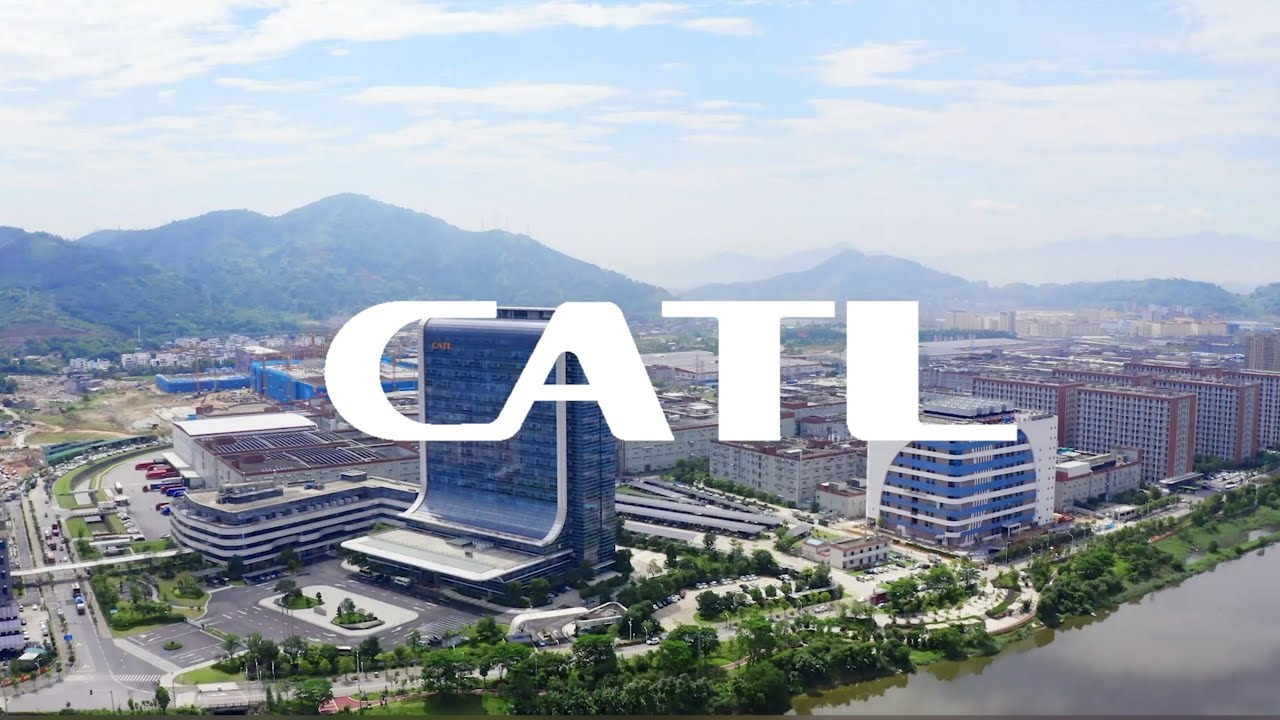
China’s Contemporary Amperex Technology Co., Ltd. (CATL), the world’s leading electric vehicle (EV) battery manufacturer, introduced its latest innovation, the “Bedrock” EV chassis, emphasizing its exceptional safety features. CATL claims the platform can endure a frontal collision at 120 km/h (75 mph) without risk of fire or explosion, significantly exceeding the safety standards of the China New Car Assessment Program, which typically tests at 56 km/h.

The “Bedrock” chassis integrates a battery capable of delivering a range of approximately 1,000 km (621 miles) on a single charge and boasts production efficiencies that could reduce EV development timelines from 36 months to just 12–18 months. CATL aims to position the platform as a cost-effective solution for premium automakers seeking to accelerate product development.

Ni Jun, CATL’s Chief Manufacturing Officer, highlighted the platform’s breakthrough safety performance, stating, “No new energy vehicle has dared to undergo a 120 km/h frontal pole impact test until now.”

The first EV model based on the Bedrock chassis will be developed by Chinese EV brand Avatr, co-owned by CATL, Changan Auto, and Huawei. While no launch date was disclosed, Avatr’s President, Chen Zhao, confirmed the collaboration during the announcement.

The Bedrock chassis aligns with the growing trend of “skateboard chassis” designs, which consolidate critical components like electric motors, batteries, and suspensions into a single platform. Other Chinese players, such as Xpeng and Launch Design, are also developing similar platforms.

This initiative marks a critical step in CATL Chairman Robin Zeng’s strategy to drive growth beyond battery production. By reducing the cost of developing new EVs from billions of dollars to as little as $10 million, the Bedrock platform could enable niche EV makers to achieve profitability by selling just 10,000 vehicles annually. Zeng has shared the technology with major stakeholders, including Porsche for potential luxury EVs and UAE investors exploring local EV manufacturing.

Since 2020, CATL has partnered with automakers such as VinFast, BAIC, and Neta to integrate its battery-to-chassis technology into EV models. Additionally, the company is expanding into micro power grids and battery-swapping services to diversify its business portfolio.

CATL, which commands a global EV battery market share of approximately 37%, sees the Bedrock chassis as a pivotal innovation to solidify its leadership in the rapidly evolving EV industry.