
US Crypto Industry Presses for Day-One Executive Orders Under Trump

The cryptocurrency industry is urging President-elect Donald Trump to prioritize his campaign promise of overhauling crypto policies by issuing executive orders as early as his first day in office on January 20. These potential directives aim to push cryptocurrency further into the mainstream, according to insiders.

Trump has signaled plans for a wave of executive orders on diverse topics, including immigration and energy. The crypto sector hopes this momentum will extend to their agenda, advocating for measures such as creating a strategic bitcoin reserve, guaranteeing banking access for crypto companies, and establishing a crypto industry council. Insiders suggest one such order may even be unveiled on Inauguration Day, with additional orders expected within the administration’s first 100 days.

“Given the tenor of the campaign, it would be imperative for executive orders to outline clear priorities and provide a roadmap,” said Rebecca Rettig, Chief Legal and Policy Officer at Polygon Labs.

Trump’s proposed approach marks a sharp departure from President Joe Biden’s administration, which implemented stringent regulations on the sector, citing concerns over crime and volatility. Trump, branding himself as a “crypto president,” has promised to reverse this stance. His transition team already includes pro-crypto figures such as SEC chair Paul Atkins and White House crypto advisor David Sacks.

In July, Trump unveiled plans to establish a U.S. bitcoin reserve, driving Bitcoin prices above $107,000. Although the cryptocurrency has since dropped below $100,000, the industry remains divided over whether Trump could use executive powers or would need Congress to implement such a reserve. A draft executive order by the Bitcoin Policy Institute proposes spending $21 billion over a year to designate Bitcoin as a strategic reserve asset.

Other anticipated executive actions include directives to prevent banks from excluding crypto firms from the traditional financial system, a longstanding industry grievance. While federal regulators assert that banks are free to work with compliant crypto firms, some executives argue that regulatory pressure has stifled such partnerships. However, analysts caution that executive orders may have limited impact on federal banking regulators, who operate independently.

Additionally, Trump has floated the idea of forming a crypto industry council, which his team is currently exploring. Previous administrations have successfully created similar councils through executive orders.

The broader crypto community is also pushing for an executive order that sets foundational principles for crypto regulation, akin to Trump’s 2017 directive for banking rule reviews. Such an order could encourage regulatory agencies to revisit existing rules to better align with the rapidly evolving cryptocurrency landscape.

“An early executive order articulating core principles for crypto regulation wouldn’t be surprising,” said Jonah Krane, a partner at financial firm Klaros Group. “It would signal the administration’s direction while initiating long-term regulatory adjustments.”
 

Elon Musk’s X Increases Premium-Plus Subscription Pricing to Boost Creator Payments

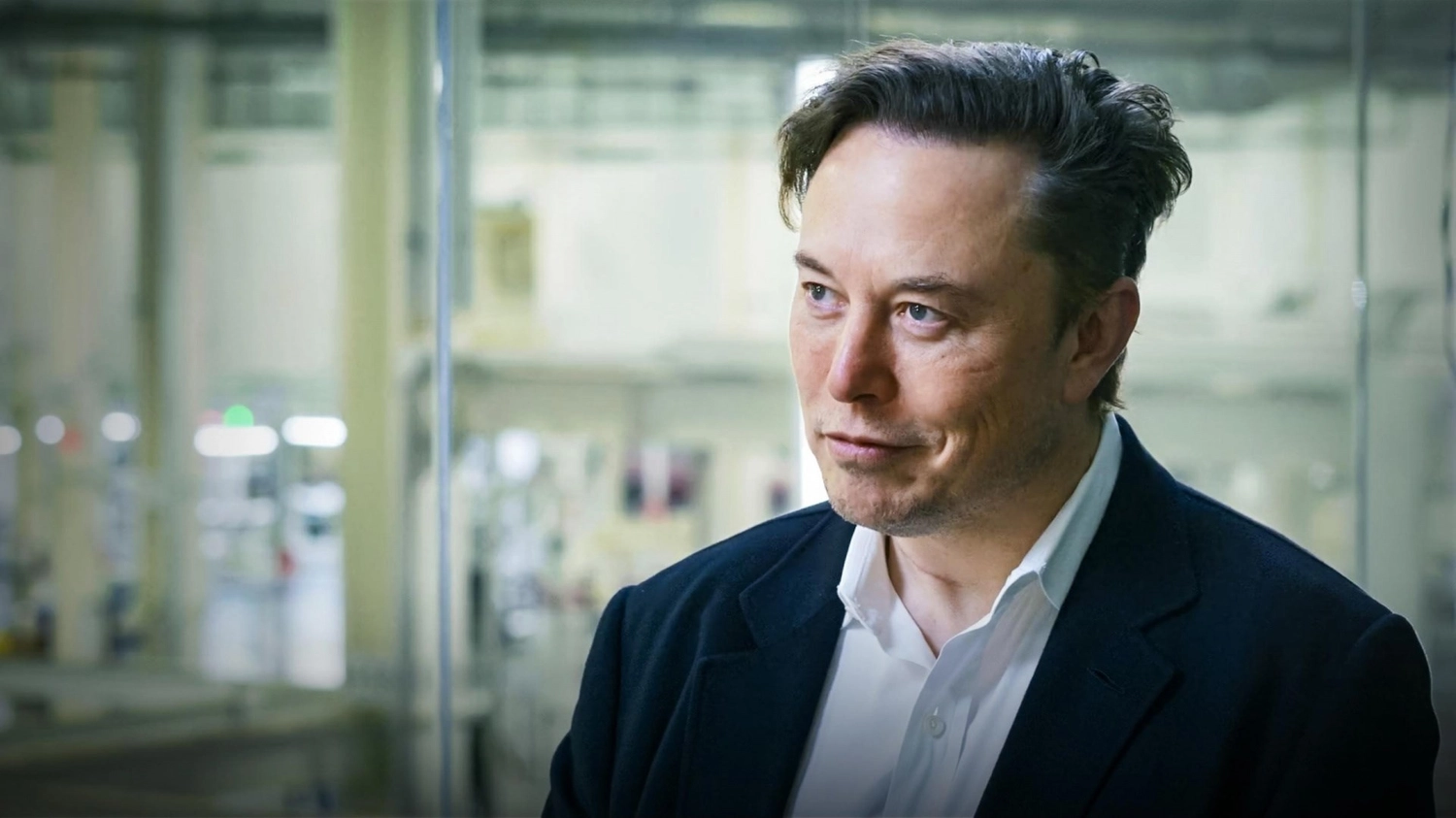
Elon Musk’s social media platform X, formerly known as Twitter, has increased the cost of its premium-plus subscription tier in several markets starting December 21, aiming to enhance payouts for content creators. The price for this top-tier plan has risen from $16 to $22 per month in the United States, as announced in a recent blog post. Meanwhile, the pricing for the basic tier and premium subscriptions remains unchanged at $3 and $8, respectively.

In October, X revised its revenue-sharing practices to ensure that subscription fees more effectively benefit creators. The updated model emphasizes content quality and user engagement, rather than relying primarily on ad views, to determine creator compensation.

The new pricing applies only to new subscribers, while existing members will continue to pay the previous rate until January 20. Premium-plus subscribers gain benefits such as ad-free browsing, enhanced access to the Grok AI chatbot, and Radar—a feature offering real-time analytics on trending topics through keyword tracking.

This move underscores Musk’s broader strategy to diversify X’s revenue streams. The platform, historically dependent on advertising revenue, is now focusing on subscriptions as a key growth driver. Since acquiring Twitter and rebranding it to X, Musk has been working to reshape the platform’s business model to better align with the demands of both creators and subscribers.


Apple Nears $4 Trillion Valuation Amid AI Optimism and iPhone Upgrade Hopes

Apple is on the cusp of reaching a groundbreaking $4 trillion stock market valuation, buoyed by investor confidence in the company’s expanding artificial intelligence (AI) initiatives, which are expected to drive a wave of iPhone upgrades. Since early November, Apple’s shares have climbed approximately 16%, adding $500 billion to its market capitalization and positioning it ahead of competitors like Nvidia and Microsoft in the race to this historic milestone.

Currently valued at around $3.85 trillion, Apple’s market worth surpasses the combined valuations of Germany and Switzerland’s main stock markets. This growth reflects renewed optimism in the so-called iPhone supercycles, as analysts anticipate AI advancements could spark significant consumer demand.

Tom Forte, an analyst at Maxim Group, explained, “Investor enthusiasm for artificial intelligence and an expectation that it will result in a supercycle of iPhone upgrades is driving the rally.” However, Apple’s near-term revenue forecasts remain modest, with the company projecting low-to-mid single-digit growth for the holiday quarter. Analysts expect stronger iPhone revenue growth in 2025, particularly as Apple expands its AI features and geographical availability.

Apple’s initial integration of OpenAI’s ChatGPT into its devices in December marks a significant step forward in its AI strategy, a move that follows criticism for lagging behind peers like Microsoft, Alphabet, Amazon, and Meta Platforms in adopting emerging technologies. Nevertheless, Apple’s deliberate AI rollout could be instrumental in revitalizing iPhone demand over the next few years.

Despite these promising developments, Apple’s price-to-earnings ratio has surged to a near three-year high of 33.5, outpacing Microsoft and Nvidia. This valuation has prompted some investors, including Warren Buffett’s Berkshire Hathaway, to reduce their Apple holdings amid concerns over stretched valuations. However, portfolio managers like Eric Clark of Rational Dynamic Brands Fund believe that Apple’s current valuation will look more reasonable in the long term.

Geopolitical risks also loom, with potential retaliatory tariffs on Chinese imports under the incoming U.S. administration. Analysts like Morgan Stanley’s Erik Woodring remain optimistic, noting that Apple could secure exclusions on key products, as it did during earlier tariff rounds in 2018.

Economic factors such as Federal Reserve actions are also influencing investor sentiment. While the Fed’s forecast of a slower pace of rate cuts triggered a recent market selloff, the tech sector’s strong earnings growth has solidified its status as a defensive investment.

“Apple’s approach to a $4 trillion market cap is a testament to its enduring dominance in the tech sector,” said Adam Sarhan, CEO of 50 Park Investments. “This milestone reinforces Apple’s position as a market leader and innovator.”

As Apple continues to innovate and leverage AI to enhance its product offerings, the company is poised to maintain its leadership position in the tech industry while navigating evolving market dynamics and global economic conditions.