AI’s Groundbreaking Contributions to Science in 2024

In 2024, artificial intelligence (AI) reached a milestone, solidifying its role as a transformative tool in scientific research. The Nobel committee acknowledged AI’s impact by awarding the physics prize to John Hopfield and Geoffrey Hinton for their pioneering work in machine learning, which laid the foundation for modern AI applications. AI’s contributions this year have been far-reaching, from unlocking ancient texts to advancing our understanding of life at its most molecular level.

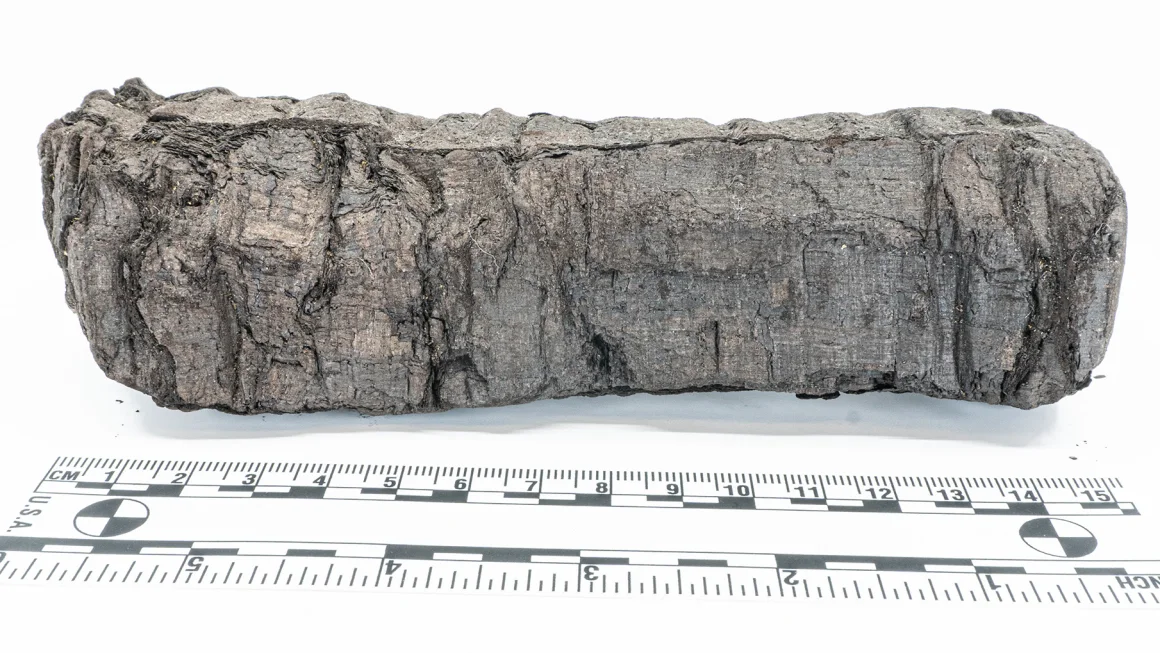
One of the most notable AI-assisted breakthroughs was in the decoding of the Herculaneum scrolls, ancient papyri that survived the eruption of Mount Vesuvius in AD 79. With the help of AI and high-resolution X-rays, researchers have now been able to decipher more than 2,000 characters from these nearly unreadable scrolls. The Vesuvius Challenge, a competition to expedite the deciphering process, has set a goal to unlock 90% of the scrolls by the end of 2024. AI’s ability to virtually flatten the charred scrolls and distinguish ink from carbonized papyri has made this remarkable feat possible, offering unprecedented insights into ancient Rome and Greece.

Another area where AI is making waves is in the study of animal communication. Machine learning has enabled scientists to begin understanding the complex “language” of sperm whales. By analyzing 9,000 click sequences, researchers have identified patterns that resemble human phonetics, such as rhythm, tempo, and ornamentation. While the meaning of these clicks remains elusive, AI’s ability to detect these intricate patterns is opening the door to potential communication with marine mammals. The same techniques are being applied to other species, offering a new way to understand animal languages.

In the field of archaeology, AI is helping to uncover ancient sites in remote and challenging environments. In the Nazca Desert, AI models trained on high-resolution imagery have nearly doubled the number of known geoglyphs in just a few months. While the models are not yet perfect, they hold immense potential for surveying hard-to-reach areas, making AI an indispensable tool for archaeologists. Similarly, AI is aiding in the identification of burial mounds in Mongolia, demonstrating its utility in archaeological research across diverse terrains.

AI is also revolutionizing the understanding of life at the molecular level. The development of AlphaFold by Google DeepMind has accelerated progress in protein structure prediction, solving a long-standing challenge in physical chemistry. This AI tool, now used by millions of researchers, predicts the 3D shapes of proteins from their amino acid sequences, speeding up advancements in biology and medicine. While there are limitations—such as the inability to predict the impact of certain mutations—AlphaFold remains a game-changer in biomedical research.

These examples reflect the growing influence of AI in scientific discovery. From unraveling ancient mysteries to decoding the language of animals and advancing medical research, AI is proving to be a superpower in science. As the field continues to evolve, its potential to solve complex problems and uncover the unknown remains boundless.
Merck Signs $2 Billion Licensing Deal for Weight Loss Pill with Chinese Drugmaker Hansoh Pharma

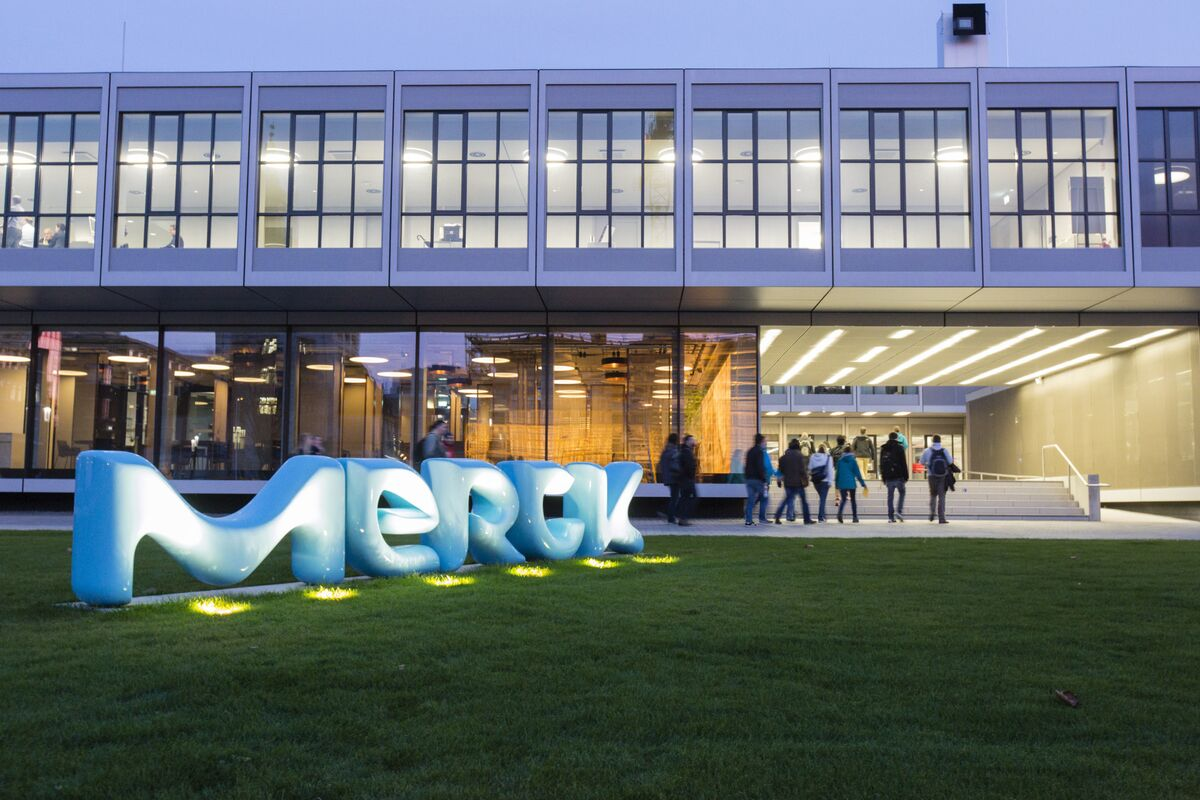
Merck announced on Wednesday that it has secured the rights to an experimental weight loss pill from Chinese drugmaker Hansoh Pharma in a deal worth up to $2 billion. This oral drug, currently not in human trials, could position Merck to capitalize on the rapidly expanding obesity drug market, which analysts predict could exceed $100 billion annually by the early 2030s.

While Merck did not specify the diseases it plans to target first with this drug, the deal significantly boosts its potential in the obesity treatment field. The move comes as several other pharmaceutical companies, including Pfizer and Roche, are working to develop competitive oral weight loss medications that can challenge the blockbuster injectable drugs from Novo Nordisk and Eli Lilly.

Under the terms of the agreement, Merck will receive exclusive global rights to develop, manufacture, and commercialize Hansoh Pharma’s HS-10535, an oral drug targeting GLP-1, a gut hormone. GLP-1 is the same target for Novo Nordisk’s popular weight loss drug Wegovy and diabetes medication Ozempic, which work by suppressing appetite and regulating blood sugar levels.

Merck will pay Hansoh Pharma an upfront fee of $112 million for the licensing rights to the drug. Additionally, the deal includes up to $1.9 billion in milestone payments and royalties on future sales, according to a press release from the company.

Merck’s president of Research Laboratories, Dean Li, expressed confidence in the drug’s potential, noting it could offer “additional cardiometabolic benefits beyond weight reduction.” The company has been actively seeking GLP-1 treatments that provide not just weight loss but other health benefits, such as improvements in cardiovascular health, diabetes, and fatty liver disease. Merck CEO Rob Davis highlighted this strategic focus in early 2023, stating that therapies with broader health benefits would be crucial for obtaining reimbursement and establishing long-term market success.

This agreement with Hansoh Pharma adds to the growing trend of Chinese companies entering the global market for GLP-1-based treatments. In a similar deal last year, AstraZeneca licensed an experimental oral GLP-1 drug from Chinese company Eccogene, which is currently in mid-stage development.


FDA Approves Eli Lilly’s Zepbound for Sleep Apnea, Expanding its Use in the U.S.

The U.S. Food and Drug Administration (FDA) has approved Eli Lilly’s weight loss drug, Zepbound, for treating moderate-to-severe obstructive sleep apnea (OSA), the most common sleep-related breathing disorder. This approval marks the first drug treatment option for patients with both obesity and OSA, which is characterized by breathing interruptions during sleep due to blocked or narrowed airways. Zepbound, a weekly injection, should be used alongside a reduced-calorie diet and increased physical activity, the FDA stated.

An estimated 80 million people in the U.S. are affected by OSA, with about 20 million suffering from the moderate-to-severe form of the disorder. Alarmingly, 85% of these cases remain undiagnosed, according to Eli Lilly.

Julie Flygare, president and CEO of Project Sleep, a nonprofit focused on sleep health, emphasized that OSA is more than just snoring, urging for greater awareness and conversation about the condition. She expressed hope that Zepbound’s approval would lead to better health outcomes through more informed discussions between patients and healthcare providers.

The approval expands Zepbound’s use beyond obesity treatment, which it was first approved for late last year. The drug’s active ingredient, tirzepatide, is also marketed as Mounjaro, a diabetes treatment. Eli Lilly expects to launch Zepbound for OSA in early 2025 and is also testing the drug for other obesity-related conditions such as fatty liver disease.

Zepbound’s approval may help secure broader insurance coverage, which is a challenge for many weight loss drugs, including Zepbound itself. Current coverage under Medicare for obesity treatments depends on their approval for additional health benefits, like treating OSA.

Zepbound’s approval also highlights the growing body of evidence supporting the health benefits of GLP-1s, a class of medications used for weight loss and diabetes management. Zepbound’s main competitor, Novo Nordisk’s Wegovy, is not approved for OSA.

The new approval provides a significant option for OSA patients who often rely on cumbersome positive airway pressure (PAP) machines to help with breathing. Zepbound offers a more convenient alternative with the potential to resolve OSA symptoms.

In clinical trials, Zepbound demonstrated significant effectiveness in reducing OSA severity. A year-long study showed that Zepbound was more effective than a placebo, with nearly half of patients achieving disease resolution. Zepbound resolved OSA in 43% of patients who were not using PAP therapy and 51.5% of those continuing PAP therapy. This compares to only 13.6% to 14.9% of placebo recipients in the same trials.

The results were based on the apnea-hypopnea index (AHI), which measures the number of blocked or restricted breaths per hour, and used to assess both the severity of OSA and the effectiveness of treatments. Disease resolution is defined as having fewer than five AHI events per hour or a significant reduction in daytime sleepiness, according to Eli Lilly.