House Democrats Accuse GOP of Caving to Musk in Funding Bill

House Democrats Jim McGovern of Massachusetts and Rosa DeLauro of Connecticut criticized their Republican colleagues for allegedly bowing to Elon Musk’s demands, which they claim led to the removal of a provision from a bipartisan government funding bill aimed at regulating U.S. investments in China.

In the aftermath of a separate stopgap funding bill passed over the weekend to prevent a government shutdown, McGovern took to X (formerly Twitter) to express his disappointment, stating that more could have been accomplished. He argued that the scrapped provision would have helped keep cutting-edge technologies like AI and quantum computing in the U.S. and preserved American jobs. However, he contended that Musk’s influence was a significant obstacle to this progress.

Musk’s companies, including Tesla and SpaceX, have extensive business dealings in China. Tesla operates a factory in Shanghai without a local joint venture, and it recently built a battery plant near the city. Musk is also pursuing self-driving vehicle technology development in China, which Democrats like McGovern claim could jeopardize U.S. security.

McGovern pointed out that Musk’s business interests depend on maintaining favorable relations with the Chinese government, writing that Musk is “bending over backwards to ingratiate himself with Chinese leaders.” Furthermore, Musk’s SpaceX has been reported to have withheld its Starlink satellite internet service over Taiwan at the request of Chinese and Russian authorities.

DeLauro, the top Democrat on the House Appropriations Committee, echoed concerns in a letter to Congress, criticizing Musk’s close ties with the Chinese Communist Party. She expressed alarm over Musk’s need for Chinese government approvals for his projects in the country and emphasized the potential risks of his growing influence.

Musk responded on X by calling DeLauro an “awful creature.”

The dispute unfolded as former President Donald Trump had expressed opposition to the original funding bill, instead seeking a new bill to raise the debt ceiling and avoid a financial showdown during the early months of his potential second term. Although Trump’s influence was felt in the discussions, the stopgap funding bill signed by President Joe Biden on Saturday did not include the debt ceiling suspension Trump had sought.

Musk, who acquired Twitter in 2022 and rebranded it as X, has since become a key supporter and adviser to Trump, contributing heavily to the 2024 campaign cycle.

 

Northvolt Moves Toward Longer-Term Bankruptcy Financing

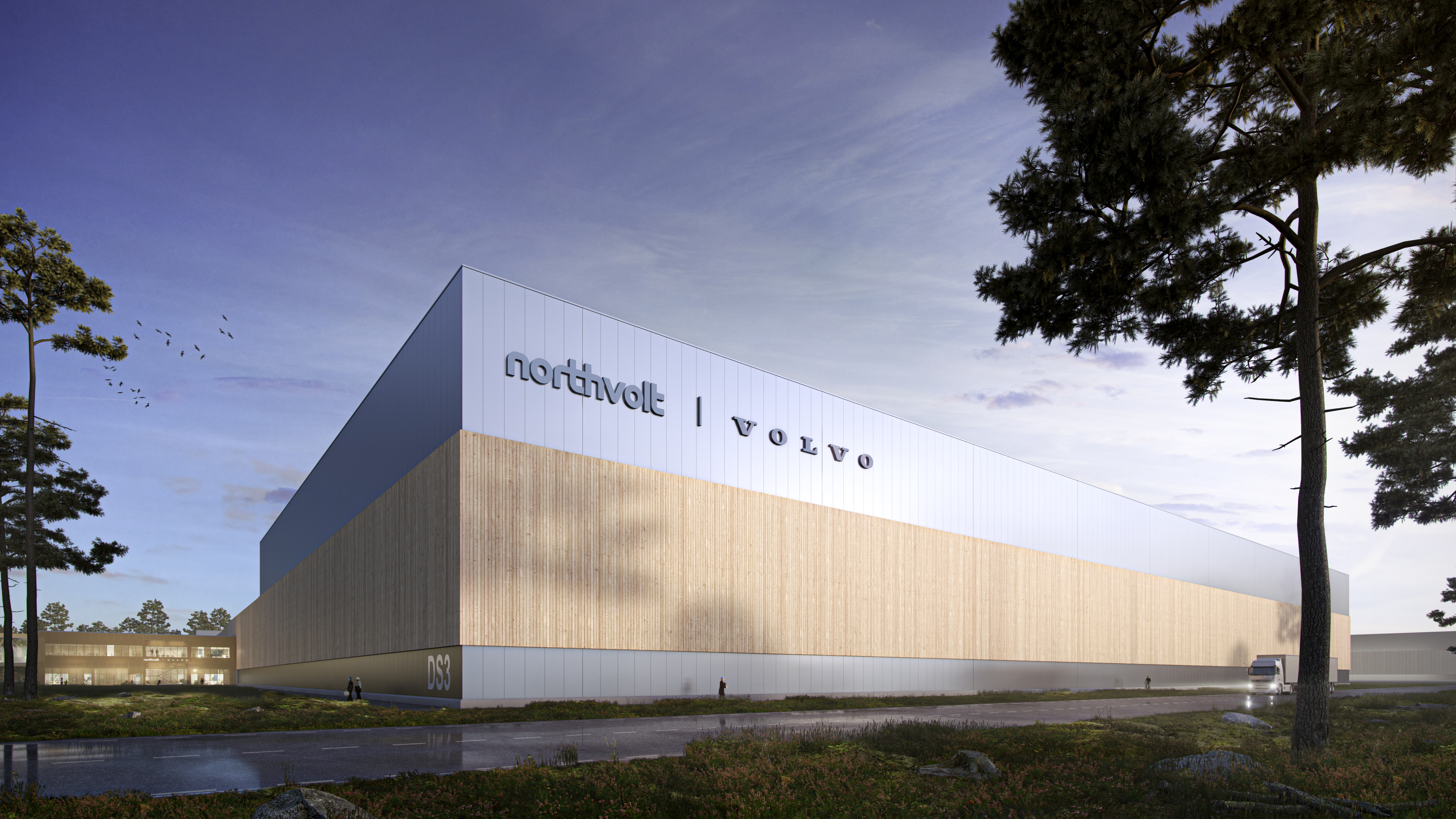
Swedish electric vehicle battery manufacturer Northvolt announced on Friday that it is making progress toward securing additional bankruptcy financing, with plans to finalize the arrangement by late January. Since entering bankruptcy on November 21, the company has engaged with over 100 potential lenders and investors to secure the necessary funds for its restructuring.

Northvolt’s initial bankruptcy loan, a $100-million facility from Swedish truck maker Scania, was meant to help the company through the early stages of its restructuring. However, it was not intended to carry the company through the entirety of the bankruptcy process. The company is now actively evaluating proposals from both strategic and financial investors to provide long-term financing.

At a court hearing in Houston on Friday, Northvolt’s attorney, Jack Luze, confirmed that the company is working on a longer-term financing proposal, which will be presented to U.S. Bankruptcy Judge Alfredo Perez during a court session scheduled for January 28.

Judge Perez approved the bankruptcy loan in full on Friday, after previously allowing the company to access the initial $51 million from the loan. A Northvolt spokesperson expressed satisfaction with the progress, noting the approval of the loan as an important step in the restructuring process.

The company, which has raised over $10 billion in an effort to produce electric vehicle batteries and compete with dominant Chinese manufacturers, remains operational with around 6,600 employees across seven countries. Northvolt is hopeful that its bankruptcy restructuring will allow it to continue business as usual while addressing its financial challenges.


US Charges Russian-Israeli Dual National Linked to Lockbit Ransomware Group

The U.S. Department of Justice announced on Friday that it has charged Rostislav Panev, a Russian-Israeli dual national, for his alleged involvement with the Lockbit ransomware group. The 51-year-old was arrested in Israel in August and is awaiting extradition to the U.S.

Panev, who was a developer for Lockbit from its inception in 2019 through at least February 2024, played a role in the group’s rise to become one of the most active and destructive ransomware operations in the world, according to the DOJ.

Lockbit and its malware were responsible for cyberattacks on over 2,500 victims across more than 120 countries, including small businesses, large corporations, hospitals, schools, and even government agencies. The group operated a ransomware-as-a-service model, working with affiliates to carry out attacks while sharing the extortion proceeds.

The DOJ estimates that Lockbit and its affiliates extorted at least $500 million from victims, alongside significant financial losses from disruption and recovery efforts.

Panev’s arrest follows recent developments in the case, including guilty pleas from two other Lockbit members in July, and a major seizure of Lockbit websites by law enforcement in February. While the group resurfaced after these actions, cybersecurity experts agree that these efforts have significantly weakened Lockbit’s influence in the cybercrime world.