Stellantis Reverses Ohio Layoffs Weeks After CEO Carlos Tavares’ Resignation

Stellantis has reversed its decision to lay off approximately 1,100 workers at its Jeep plant in Toledo, Ohio, less than three weeks after the sudden resignation of CEO Carlos Tavares. The Franco-Italian automaker announced late Saturday that it will not proceed with the indefinite layoffs scheduled to begin on January 5, citing an extension of worker adjustment and retraining notices instead.

In a statement, Stellantis confirmed that employees will resume work as planned after the New Year. The company had initially announced the layoffs as part of a shift reduction at the Toledo South Assembly Plant, which manufactures the Jeep Gladiator, aiming to streamline operations and manage inventory more effectively in its North American market.

CEO Resignation and Strategic Challenges

The decision comes in the wake of Tavares’ abrupt departure, reportedly spurred by disagreements with board members over targets deemed unrealistic or harmful to the company. Tavares had been instrumental in driving cost-cutting measures at Stellantis, including significant workforce reductions across its U.S. operations.

Under his leadership, Stellantis announced several high-profile layoffs in 2023, including 400 workers at a Detroit automotive parts facility and up to 2,450 employees at a Michigan factory where production of the Ram 1500 Classic truck was being phased out.

Pressures in the U.S. Market

Stellantis has faced declining sales in North America, a historically profitable region due to the popularity of Jeep and Ram vehicles. The company’s cost-reduction efforts, while aimed at boosting efficiency, have drawn criticism from union leaders and sparked tensions with the United Auto Workers (UAW).

UAW President Shawn Fain has accused Stellantis of failing to honor commitments to the union and has threatened nationwide strikes in response to workforce reductions. While Stellantis maintains it is adhering to contractual obligations, the layoffs have become a focal point of labor disputes.

Broader Implications

The reversal of layoffs at the Ohio plant marks a notable shift in Stellantis’ approach, suggesting potential reevaluation of its North American operations strategy in the post-Tavares era. Whether this signals a broader change in the company’s cost-cutting measures remains to be seen.
 

Trump Threatens to Demand U.S. Control of Panama Canal Over “Excessive Rates”

President-elect Donald Trump took to Truth Social on Saturday, accusing Panama of charging “ridiculous” fees for the use of the Panama Canal. He warned that if the canal was not managed to U.S. satisfaction, he might demand that Panama hand over control of the waterway to the United States.

In his post, Trump raised concerns about potential Chinese influence over the canal, stating it must not fall into “the wrong hands.” His remarks underscore what many expect to be a more aggressive stance in U.S. diplomacy during his presidency. Trump’s rhetoric has frequently involved strong-arm tactics with allies and bold declarations on international matters.

History of U.S.-Panama Canal Relations

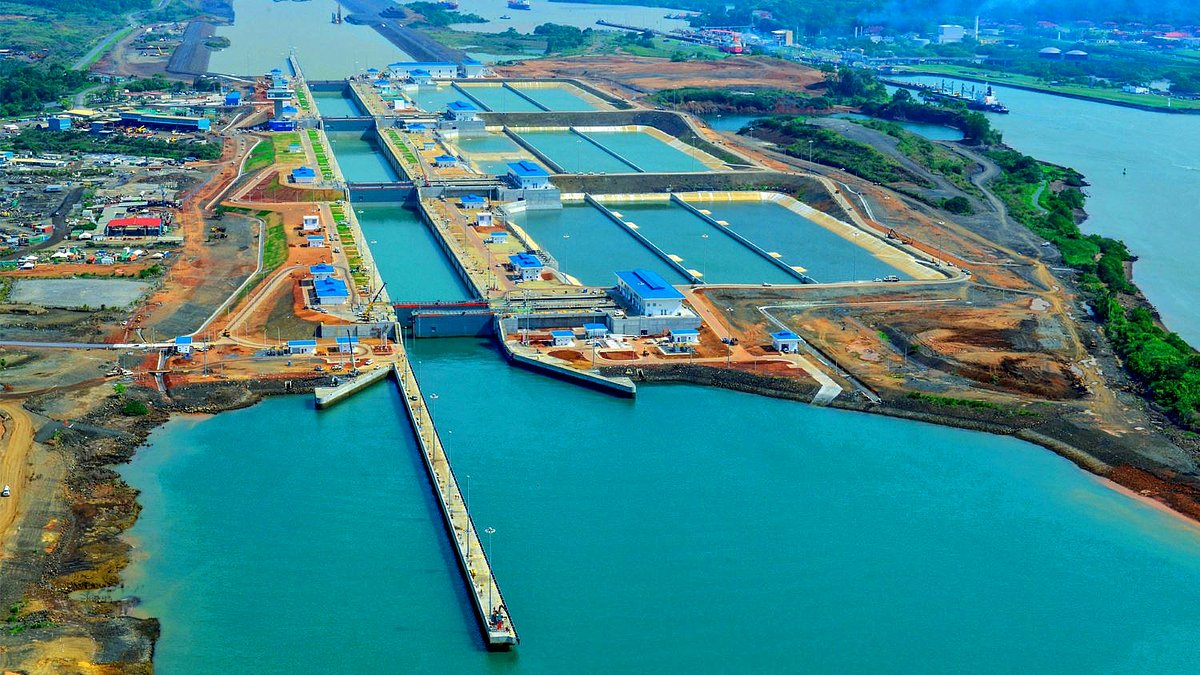
The Panama Canal, a critical waterway for global trade, was constructed largely under U.S. oversight in the early 20th century. For decades, the U.S. managed the canal and the surrounding territory. However, the canal was fully transferred to Panamanian control in 1999 following a 1977 treaty signed by President Jimmy Carter that gradually shifted its administration to Panama.

Trump’s Justification for Reclaiming the Canal

Trump’s post framed the canal’s handover as an act of U.S. “generosity” toward Panama, asserting that this magnanimous gesture was based on principles of cooperation. He accused Panama of breaching these principles through its current fee structure.

“The fees being charged by Panama are ridiculous, especially knowing the extraordinary generosity that has been bestowed to Panama by the U.S.,” Trump wrote. “If the principles, both moral and legal, of this magnanimous gesture are not followed, then we will demand that the Panama Canal be returned to us, in full, and without question.”

Diplomatic Fallout and Concerns Over Chinese Influence

Trump’s comments also hinted at fears of Chinese involvement in the management of the canal, a strategic passage connecting the Atlantic and Pacific Oceans. While Trump did not provide specific evidence, his statement reflects broader U.S. concerns about growing Chinese influence in Latin America.

The Panamanian embassy in Washington has not yet responded to Trump’s comments.

Implications for U.S.-Panama Relations

Trump’s remarks mark a rare instance of a U.S. leader suggesting the possibility of demanding territorial control from a sovereign ally. The comments may strain U.S.-Panama relations and raise questions about how Trump’s administration will approach long-standing diplomatic agreements.


Instagram Introduces Trial Reels Feature, Allowing Creators to Test Content With Non-Followers

Instagram has introduced a new feature called trial reels, designed to make it easier for creators to experiment with fresh content. Announced in May and now available in a test phase, trial reels allow creators to share their content with users who do not follow them, gathering valuable feedback before deciding whether to post it more widely. This feature aims to help creators gauge the interest in new content ideas, from different genres and storytelling formats to new topics that may not fall within their usual niche.

The core idea behind trial reels is to give creators a safe space to test content that may be outside their typical style or audience. As Instagram explained in a blog post, the feature lets users experiment without worrying about how their current followers will react. Trial reels will appear only to non-followers, both in the feed and within the Reels section. After 24 hours, Instagram will provide performance insights such as views, likes, comments, and shares, allowing creators to evaluate how well the content resonates with a wider audience.

If a trial reel performs well, creators have the option to share it with their followers, turning a successful experiment into a wider reach. This feature enables creators to refine their content before making it publicly available, giving them more control over what they post and how their audience engages with it. It also opens up opportunities to experiment with new trends, topics, or formats that might otherwise be risky to post without first testing the waters.

To create a trial reel, Instagram creators follow the usual process for sharing a reel, but with one additional step. Before posting, they must toggle on the “Trial” option located beneath the caption text box. Once shared, the reel will appear on their profile alongside drafts, where they can keep track of its performance and decide whether to expand its reach. This new feature is a valuable tool for creators looking to explore new content while getting feedback from a broader audience before making decisions about their feed.