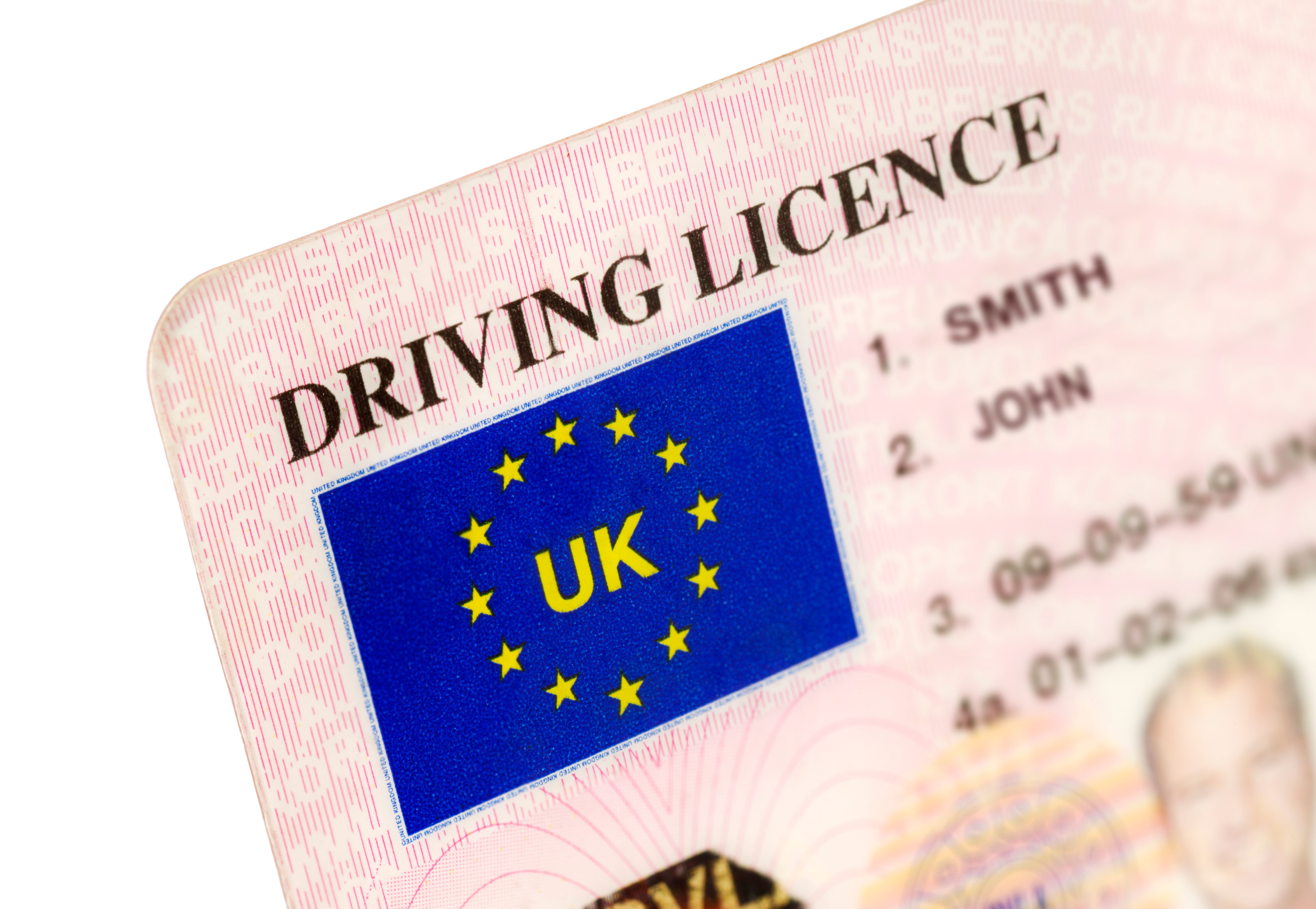
The UK and Digital ID: An Outlier Among Developed Nations as Tony Blair Calls for Reform

The UK remains one of the few developed economies without a national ID card scheme, according to recent research, making it an outlier in a world where most nations have adopted some form of identification system. A study conducted for Sky News’ Sunday Morning with Trevor Phillips reveals that out of 38 countries in the Organisation for Economic Co-operation and Development (OECD), only six—Australia, Canada, Ireland, New Zealand, the United States, and the UK—do not have a national ID system.

The debate over the introduction of a digital ID has been reignited by former Prime Minister Sir Tony Blair. In a recent Daily Mail article, Blair argued that modern technology could help make governing more efficient by addressing issues like lower taxes and improved public services. He called for a “once-in-a-generation disruption,” with digital ID systems as a potential starting point.

During Blair’s tenure, compulsory physical ID cards were a key proposal, but the plan was shelved by the coalition government before it could be implemented. Now, through his Institute for Global Change, Blair has advocated for a digital ID system that could cost £1bn to launch and £100m annually to maintain. However, he suggests the system could save the UK Treasury up to £2bn per year, as well as boost GDP by 3%, according to a 2019 McKinsey analysis.

Despite the potential benefits, digital IDs have faced criticism for posing risks to civil liberties and paving the way for a surveillance state. Countries around the world vary in their approach to ID cards, with most OECD nations making them optional. However, countries like Chile, Luxembourg, and Turkey have made carrying an ID card mandatory. In the last decade, countries such as Norway, Hungary, Denmark, Japan, and Lithuania have introduced mandatory ID cards, signaling a growing trend toward digital identity systems.

The UK government’s stance on digital IDs remains unclear. While Business Secretary Jonathan Reynolds initially suggested that Home Secretary Yvette Cooper would explore advice on the matter, this was quickly reversed. Currently, the UK is considering legislation to allow the creation of digital identities that would be optional and not tied to a mandatory national ID system. These digital records could include details like biometrics and addresses, but would remain voluntary.

Australia has already begun rolling out a similar system, despite concerns over privacy and safeguarding. The discussion around digital IDs continues to evolve, and on Sunday Morning with Trevor Phillips, the topic will be further explored with input from figures such as Border Security Minister Angela Eagle, Shadow Home Secretary Chris Philp, and journalist Anne Applebaum.

 

The YouTuber Who Swapped Air Traffic Control for Videos with Mbappé

John Nellis’ journey from air traffic controller to social media star has been anything but conventional. The 31-year-old YouTuber, originally from Newcastle in County Down, Northern Ireland, left his career at Cork Airport two years ago to pursue a passion for creating football-related content on YouTube. Today, he boasts over two million subscribers on his channel, with a video featuring football star Kylian Mbappé amassing nearly 10 million views.

Before his rise to fame, John spent eight years in air traffic control, a high-pressure job that kept him on his toes. However, during the Covid-19 pandemic, when air travel slowed to a near halt, John found himself with more free time. He used this to dive into his hobby of creating football videos, which eventually led him to quit his stable job in 2022 and take a chance on social media content creation.

John describes his decision as a “gamble,” reflecting on how his YouTube channel had only 7,431 subscribers when he left air traffic control. “When I look back, I label myself as delusional,” he admitted. However, his gamble paid off: his channel now has hundreds of thousands of subscribers, and he’s collaborated with big names like Zinedine Zidane and Manchester United’s Kobbie Mainoo.

Beyond YouTube, John also has a significant following on TikTok, where he won the Sports Content Creator of the Year award in the UK and Ireland. His career shift has given him opportunities to attend major events like the Ballon d’Or, where he even turned heads by wearing football boots reworked into formal shoes.

Despite his success, John is cautious about advising aspiring YouTubers. He encourages young creators to keep their options open and not put all their hopes into content creation. He emphasizes that while many create videos, only a few manage to turn it into a full-time job. However, with growth, opportunities like commercial partnerships and advertising can help make the dream a reality.

John’s football-centric content stands out because it appeals not only to die-hard fans but also to casual viewers. “If you don’t like football, there’s a chance you’ll enjoy our content because it’s not about results or players. It’s about fun and creativity,” he explained.

His distinct Irish accent has also contributed to his recognition, making him memorable on a global scale. Though John isn’t sure how long his career in content creation will last, he’s relishing his time in the spotlight. As he continues to engage with fans and expand his platform, John remains grounded, keeping his passion for creating entertaining and creative content at the forefront.


How to Protect Yourself from iPhone Thieves Locking You Out of Your Device

A concerning new trend has emerged where thieves are exploiting an iPhone security feature called the recovery key to lock victims out of their devices and drain their bank accounts. This method, although complex, has been growing in frequency, according to a recent report by The Wall Street Journal. The attack involves stealing an iPhone and manipulating the device’s security settings to make it nearly impossible for the owner to regain access to their data.

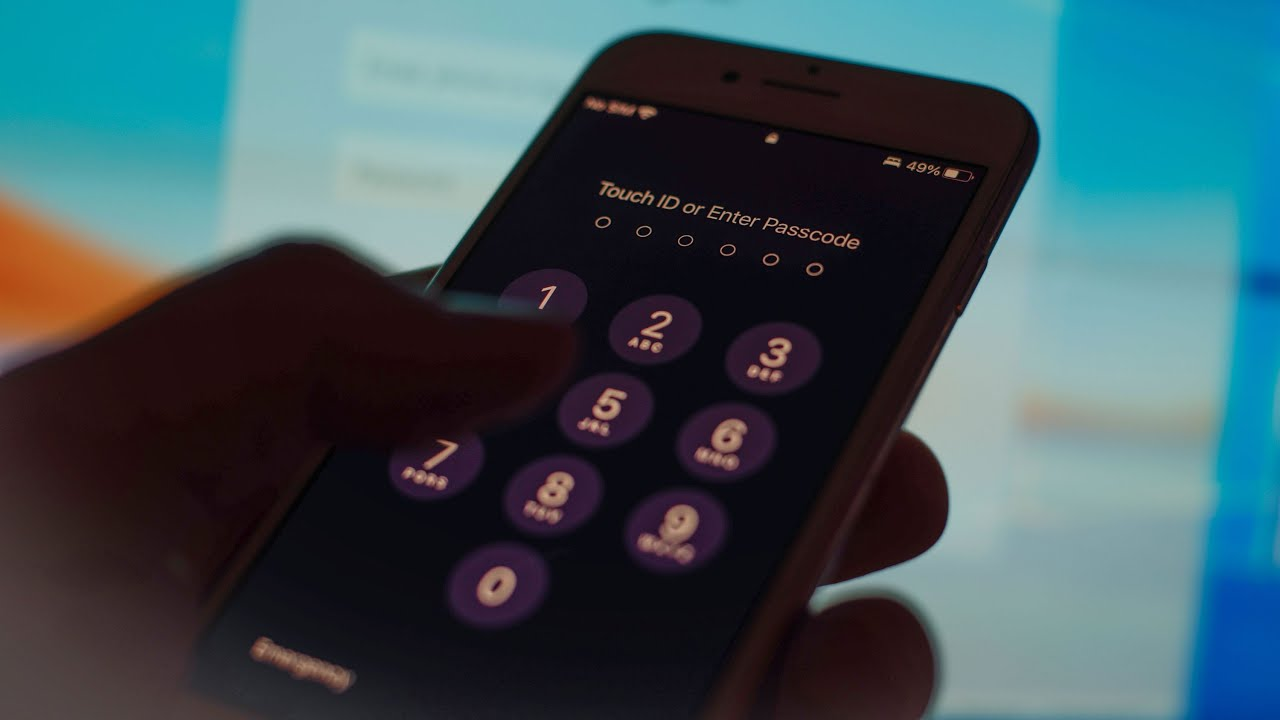
The process begins with a criminal observing the victim’s passcode or tricking them into revealing it. This can happen in public places, such as bars or events, where the thief might catch a glimpse of the passcode. Once they have access to the device, the thief can change the Apple ID, disable “Find My iPhone” to prevent tracking, and reset the recovery key—a 28-digit code designed to prevent unauthorized access. If the thief changes the recovery key, the rightful owner will be locked out of their account.

Apple has acknowledged the issue, noting that while this type of attack is rare, it is taken very seriously. The company also emphasizes that users are responsible for maintaining access to their recovery key and trusted devices. If both are lost, users could be permanently locked out of their accounts.

Jeff Pollard, a security expert at Forrester Research, has called on Apple to provide better customer support options to help users recover from such incidents. Until such support is available, here are a few steps iPhone owners can take to safeguard their devices:

  1. Protect Your Passcode:
    The first line of defense is ensuring that your passcode is secure. Apple recommends using Face ID or Touch ID, particularly in public spaces, to avoid revealing your passcode. Users can also set up a longer, alphanumeric passcode, which is more difficult for thieves to guess. If you believe someone has seen your passcode, change it immediately.
  2. Use Screen Time Settings:
    A clever workaround involves setting up a secondary password within the iPhone’s Screen Time settings. This password is required before changes can be made to an Apple ID, preventing a thief from altering your Apple ID without it. Although not officially endorsed by Apple, this measure can add an extra layer of protection.
  3. Back Up Regularly:
    Frequent backups, whether through iCloud or iTunes, can protect your data in case your phone is stolen. In addition, consider storing important files and photos on other cloud services like Google Photos, Microsoft OneDrive, or Dropbox. While this won’t prevent thieves from accessing the device, it can minimize the loss of personal data.

By taking these steps, iPhone users can reduce the risk of being locked out of their devices and mitigate the damage if their phone is stolen.