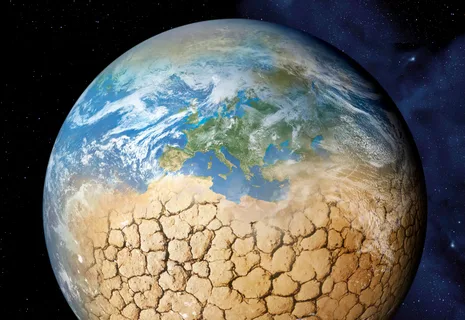
Global Tourism’s Growing Carbon Footprint Threatens Climate Goals, Research Shows

The travel industry’s carbon footprint has been growing at an alarming rate, outpacing the overall global economy, according to new research published in Nature Communications. The rising demand for international travel has led to significant increases in carbon dioxide (CO2) emissions over the past decade, with tourism-related emissions growing nearly twice as fast as the global economy, researchers say.

The study highlights that tourism in the top 20 emitting countries, including the United States, China, and India, is expanding by up to 5% annually, exacerbating energy consumption and CO2 emissions in these regions. These countries contribute to about three-quarters of the total tourism-related carbon footprint, underscoring the inequality in per-capita emissions.

Transportation, particularly air and ground travel, is identified as a primary contributor to these emissions. Despite some technological advancements aimed at improving fuel efficiency, slow progress in decarbonization continues to drive up the sector’s emissions. The COVID-19 pandemic temporarily halted travel, reducing emissions by 60% in 2020, but tourism has rebounded strongly since, with growth expected to return to pre-pandemic levels by the end of 2024.

In addition to regular commercial flights, private aviation has been a significant contributor. A separate study on private jet emissions found a 46% increase in CO2 emissions between 2019 and 2023. Private jets, which make up a small portion of total aviation, can have an outsized impact. For instance, major international events like COP28 and the FIFA World Cup saw a spike in private jet use, contributing thousands of metric tons of CO2 to the atmosphere.

The broader impact of tourism on global emissions is troubling, with previous studies indicating that tourism contributes approximately 8% of global greenhouse gas emissions—this number has likely grown since. The research stresses the urgent need for effective policies to curb tourism’s environmental impact and align the sector with global climate targets. However, only countries like New Zealand and Denmark are currently monitoring tourism-related emissions at the national level.

Tourism, worth an estimated $10 trillion in 2023, is one of the largest economic sectors globally, driving demand for transportation, accommodation, food, and shopping. The study emphasizes that the tourism industry’s expansion, coupled with its rising emissions, calls for immediate attention from governments and the global community to reduce its environmental impact.
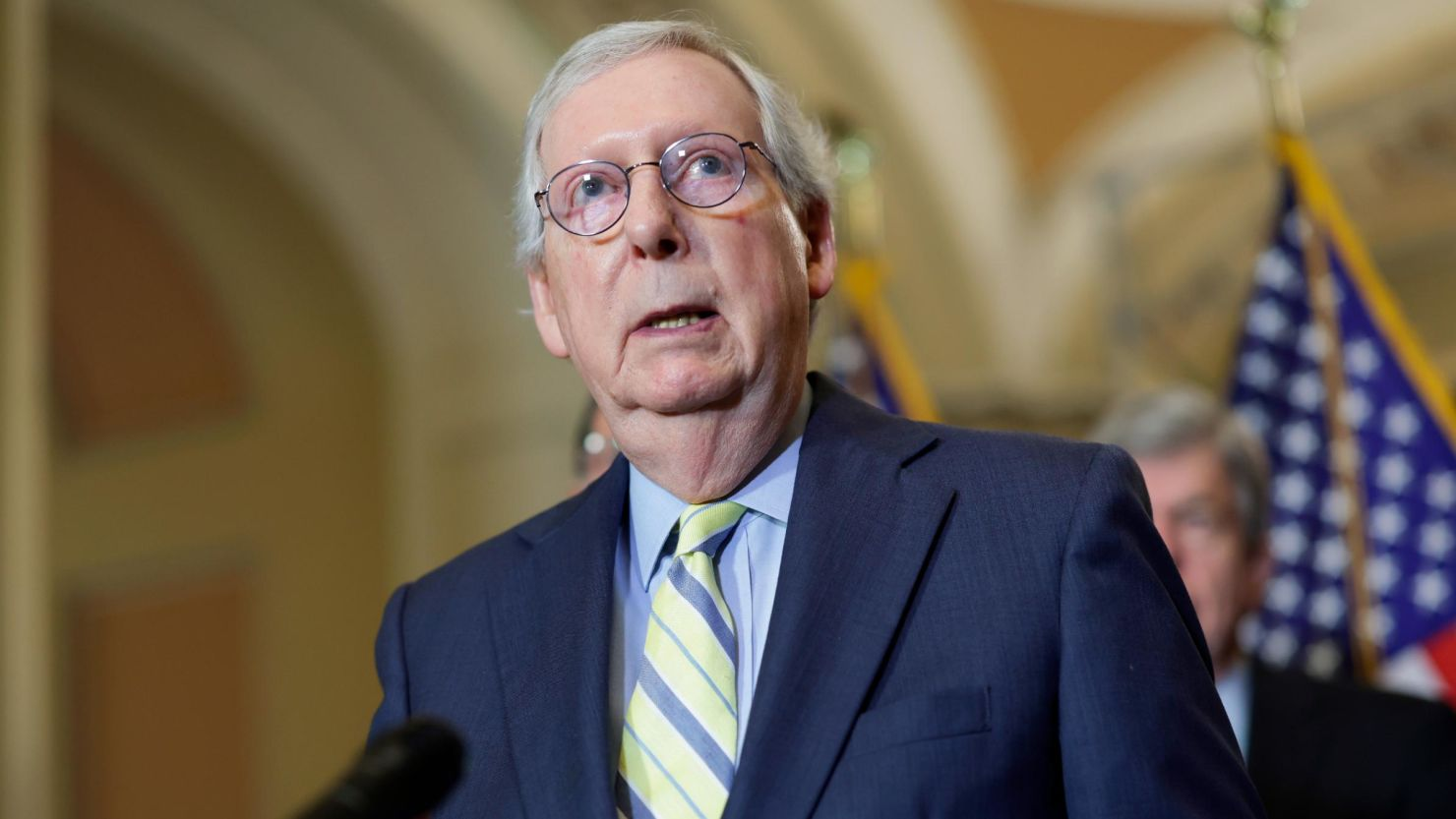

 

McConnell Urges Trump Nominees to Avoid Undermining Polio Vaccine Amid Kennedy’s Controversial Stance

Senate Republican leader Mitch McConnell, a polio survivor, has issued a strong warning to President-elect Donald Trump’s nominees, advising them to “steer clear” of efforts to undermine the polio vaccine. McConnell, who contracted polio at the age of two and survived due to modern medicine, emphasized that questioning the effectiveness of established vaccines, like the polio vaccine, is not only “uninformed” but “dangerous.”

This statement came in response to concerns about Robert F. Kennedy Jr., Trump’s nominee for Health Secretary, who has a history of opposing mainstream vaccination policies. Kennedy has long propagated the debunked claim that vaccines cause autism and has been linked to a controversial petition filed by one of his advisors. The petition, reportedly submitted in 2022, sought to revoke the approval of the polio vaccine, a move that McConnell and others argue could undermine public health.

Kennedy’s team, however, clarified that while Kennedy supports the availability of the polio vaccine, he believes it should undergo thorough studies. Kennedy’s nomination has drawn alarm from public health officials who fear his stance on vaccines could undo critical public health advances. Notably, during the COVID-19 pandemic, Kennedy’s nonprofit, Children’s Health Defense, opposed the use of COVID-19 vaccines, echoing his broader anti-vaccine agenda.

Senate Democratic Leader Chuck Schumer also criticized the reported petition, calling it “outrageous and dangerous” to suggest revoking the polio vaccine, which has played a key role in nearly eradicating polio in the U.S. Schumer urged Kennedy to clarify his position, as such actions could seriously endanger public health progress.

Kennedy, whose views on vaccines and public health have made him a controversial figure, has also made other inflammatory remarks, including conspiracies about the origins of COVID-19 and comparisons of vaccine mandates to the Holocaust. His nomination continues to face opposition from those who fear that his leadership could roll back life-saving health policies.


OpenAI Whistleblower Suchir Balaji Found Dead in San Francisco Apartment

Suchir Balaji, a former researcher at OpenAI, was found dead in his San Francisco apartment on November 26, according to a report by CNBC. The 26-year-old, who had spent four years at the AI company, had raised significant concerns earlier this year regarding OpenAI’s practices, particularly in relation to copyright law violations.

The San Francisco Medical Examiner’s Office confirmed that Balaji’s death was ruled as a suicide, with no evidence of foul play found during the police investigation. The police were called to perform a “wellbeing check” at his residence on Buchanan Street, where they discovered his body. Balaji’s next of kin have been notified.

Balaji had publicly spoken out against OpenAI, particularly in an October interview with The New York Times, where he voiced concerns about the company’s use of copyrighted material. He stated, “If you believe what I believe, you have to just leave the company,” referring to his belief that AI models like ChatGPT were exploiting the content created by others without fair compensation. He argued that as AI systems trained on massive datasets of content scraped from the internet, they could threaten the financial viability of content creators such as journalists, artists, and writers.

OpenAI confirmed Balaji’s death, with a spokesperson expressing the company’s deep sorrow. “We are devastated to learn of this incredibly sad news today and our hearts go out to Suchir’s loved ones during this difficult time,” the spokesperson said in an email.

This tragic event comes amid growing concerns within the tech and creative industries about the impact of AI models that use vast amounts of data from publicly available sources without proper compensation. OpenAI is currently involved in multiple legal disputes related to the alleged misuse of copyrighted material, a matter that Balaji had highlighted in his warnings.