
BMW and Yamaha Motor Invest in U.S. Rare Earths Startup Phoenix Tailings

BMW and Yamaha Motor have joined several other investors in backing U.S.-based rare earths processing startup Phoenix Tailings. The $43 million Series B funding round, which closed on December 20, will help Phoenix scale its operations to meet the increasing demand for rare earths outside of China. These metals, crucial for the production of magnets used in electric vehicles, electronics, and other technology, are essential to the transition to clean energy.

Rare earths are primarily refined using the solvent extraction method, which has become outdated in the U.S. due to its environmental costs. Chinese companies have dominated this process for decades, but recent actions by Beijing to limit exports have led to a global scramble for alternative sources and technologies. Phoenix Tailings claims its innovative process can produce rare earths from mined ore or recycled equipment with little to no emissions, offering a cleaner solution to the existing industry standards.

The investment round includes venture capital funds such as Envisioning Partners, MPower, and Escape Velocity, alongside BMW and Yamaha’s venture arms. Phoenix plans to use the funds to build a $13 million facility in Exeter, New Hampshire, scheduled to open by June 2025. The facility will have the capacity to produce 200 metric tons of rare earths annually.

Phoenix has already signed over $100 million in supply contracts but has not disclosed the partners. The company’s plans also include scaling its operations with larger processing plants in the U.S. if the Exeter site proves successful. With 33 employees, Phoenix aims to go public within three to five years.

The company’s approach of focusing on rare earths processing rather than mining sets it apart from competitors such as MP Materials and Lynas Rare Earths. Phoenix is also applying for U.S. government loans and grants to support its growth.

 

Mexico Implements New Tariffs, E-commerce Giants Like Shein and Temu Could Be Affected

Mexico’s tax authority, SAT, introduced new tariffs on Tuesday aimed at strengthening the surveillance of goods imported from Asia. This move may significantly impact popular online retailers like Shein and Temu, as both companies are based in China, which does not have an international treaty with Mexico.

Under the new regulations, goods entering Mexico through courier companies from countries without such treaties will be subject to a 19% duty. Goods entering from Canada and the U.S., which are part of the United States-Mexico-Canada Agreement (USMCA), will face a 17% duty if their value exceeds $50 but is under $117. Additionally, goods valued over $1 from countries with international treaties with Mexico will also be charged a 19% duty.

The SAT stated that the new tariffs were designed to combat “abusive practices” and that goods previously exempt from duties will now be taxed. These changes, effective from January 1, align with broader tax reforms targeting e-commerce. On December 19, President Claudia Sheinbaum’s administration announced a decree imposing import duties of up to 35% on various goods, including clothing and home products, to curb tax evasion and ensure fair competition for local businesses.

This decision could disrupt Mexico’s IMMEX program, which allows foreign companies to import goods tax-free for U.S. market sales. E-commerce giants Shein and Temu, in particular, could face challenges due to the higher tariffs, as they compete with established U.S. retailers such as Walmart and Amazon.


US Government Files Complaint Against Fintech App Dave and CEO for Alleged Violations

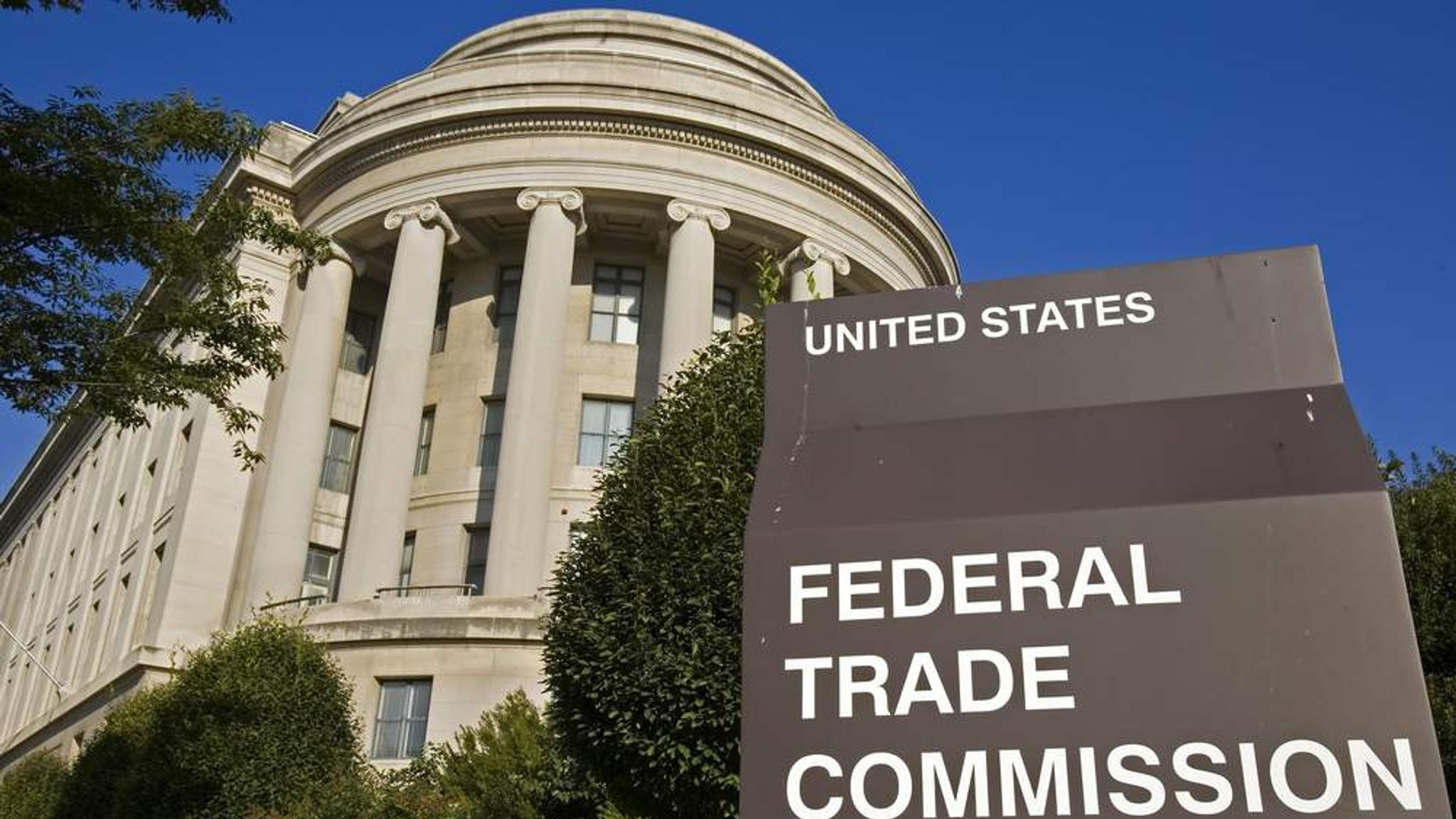
The U.S. Justice Department has filed a civil enforcement action against financial technology company Dave (DAVE.O) and its CEO Jason Wilk, alleging violations of federal law. The complaint, filed on Monday, is accompanied by claims from the Federal Trade Commission (FTC) regarding deceptive advertising and improper business practices linked to Dave’s personal finance app.

The government accuses Dave of misleading consumers by advertising cash advances of up to $500 that many users never receive. Additionally, the complaint alleges the company misrepresented how customer tips were used, charged hidden fees, and imposed recurring monthly charges without providing an easy way for users to cancel.

The Justice Department seeks consumer redress, civil penalties, and a permanent injunction to prevent future violations. Dave, in response, disputes many of the claims, stating that they are incorrect, and has introduced a new fee structure to eliminate tips and “express fees” previously associated with instant cash advances. These changes began with new customers on or after December 4 and are also being applied to existing customers.

The current complaint amends a previous FTC complaint from November, which had only named Dave as the defendant and did not seek civil penalties.