
India Delays UPI Market Share Cap, Benefiting Google Pay and PhonePe

India has decided to delay the implementation of market share caps for Unified Payments Interface (UPI) transactions by two years, a move that provides relief to leading digital payment apps Google Pay and Walmart-backed PhonePe. Originally set to take effect at the end of 2024, the new deadline for the market share caps is now December 2026, as announced by the National Payments Corporation of India (NPCI).

The market share cap proposal, first introduced in November 2020, aims to prevent any one digital payment firm from holding more than a 30% share of the transaction volume processed through UPI, which is a key payment platform in India. Currently, PhonePe and Google Pay dominate the UPI market, with PhonePe holding a 47.8% share and Google Pay at 37%, according to November 2024 data. Combined, the two companies processed 13.1 billion transactions in that month alone.

The decision to delay the cap is intended to foster continued growth of the UPI ecosystem while also giving smaller players more time to develop and expand their user bases. The delay has been welcomed by PhonePe and Google Pay, both of which are among the top UPI payment providers in India, alongside competitors such as Paytm, Navi, Cred, and Amazon Pay.

In addition to the market share cap delay, the NPCI has also lifted restrictions on WhatsApp Pay’s UPI product, allowing the messaging platform to onboard more users. This change is expected to further encourage competition in India’s rapidly growing digital payments market.
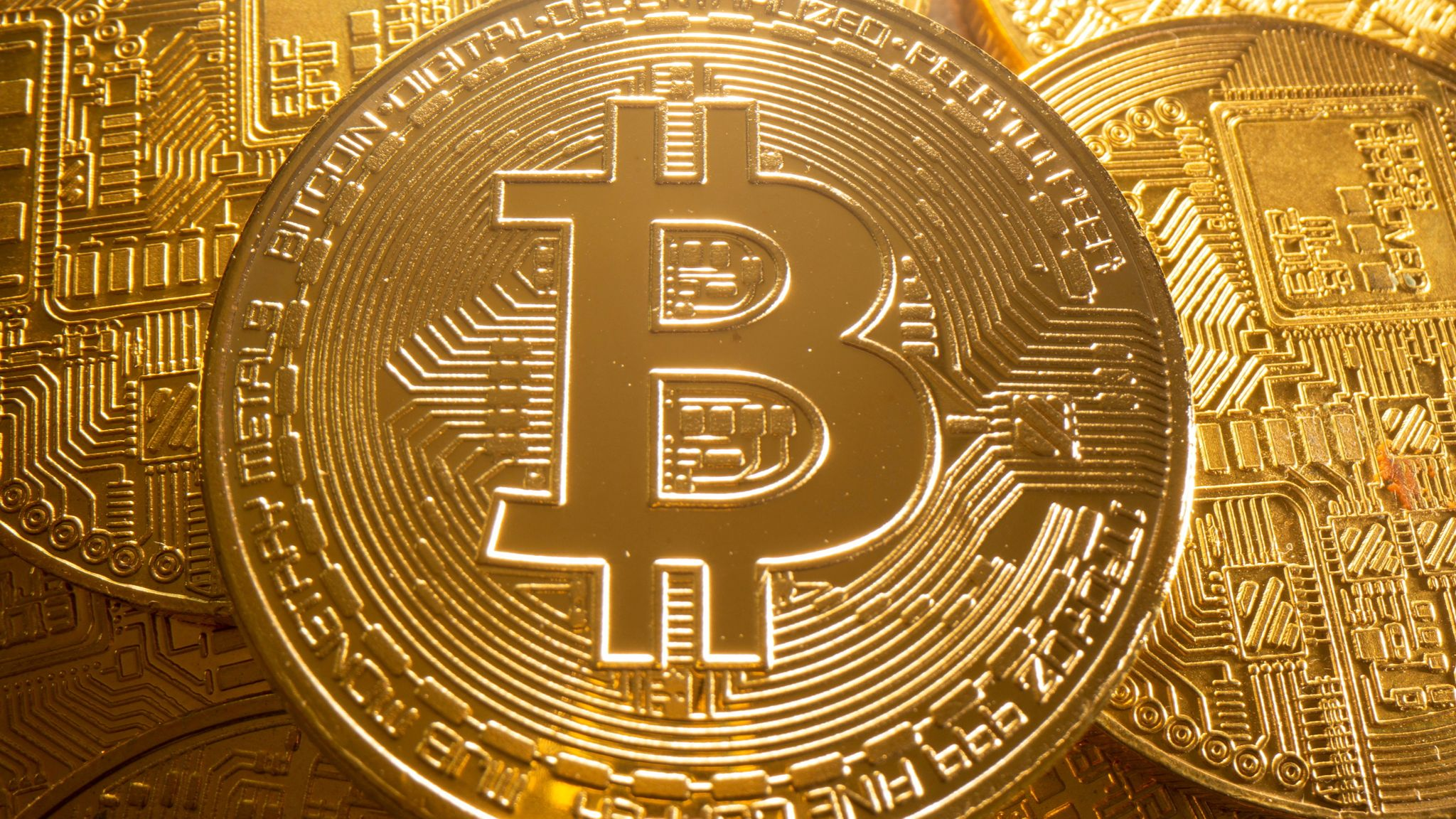

 

Bitcoin Surges in 2024, Fuelled by ETF Approval and Trump Optimism

Bitcoin has more than doubled in value in 2024, reaching new heights following the approval of exchange-traded funds (ETFs) tied to its spot price by U.S. markets regulators and growing optimism over regulatory changes with Donald Trump set to return to the White House. Earlier this month, the cryptocurrency hit a significant milestone, surpassing $100,000, sparking renewed excitement among its supporters.

The cryptocurrency sector has experienced substantial growth this year, with Bitcoin surging more than 120% and Ether, the second-largest cryptocurrency, rising nearly 50%. This surge has propelled the market’s overall value to approximately $3.5 trillion, according to data from CoinGecko. Analysts predict that the momentum will continue into 2025, with some projecting Bitcoin could reach $200,000 by late next year.

MicroStrategy, a software firm that has become the largest corporate holder of Bitcoin, has seen its stock price soar nearly five-fold in 2024. The company’s stock is now considered a proxy for Bitcoin, with its price movements closely linked to the sentiment surrounding the digital asset. Other smaller companies are following suit, allocating portions of their cash to Bitcoin.

In a client note, analysts at brokerage firm Bernstein stated that they expect Bitcoin to evolve into a premier “store of value” asset, potentially replacing gold within the next decade and becoming a staple of institutional multi-asset allocation and corporate treasury management.

The surge in Bitcoin’s value began in January when the U.S. Securities and Exchange Commission approved the first ETFs tracking Bitcoin’s spot price. This approval marked a significant turning point for the cryptocurrency industry, giving it institutional legitimacy and broadening its appeal to mainstream investors. Major finance firms such as BlackRock and Fidelity launched Bitcoin-related ETFs, further strengthening the asset’s position.

Additionally, the election victory of Donald Trump, who has pledged to make the U.S. the “crypto capital of the planet,” boosted optimism in the sector. Trump’s pro-crypto stance attracted substantial donations from crypto advocates who hoped to elect candidates favorable to the industry.

The 2024 rally also benefited various crypto-related stocks, with winners including MicroStrategy, crypto exchange Coinbase, and Bitcoin miner Hut 8. However, some crypto miners faced challenges due to shrinking profit margins caused by rising energy and hardware costs, leading to significant losses. Riot Platforms, Marathon Digital, and Bit Digital saw declines of 26% to 32% in their stock prices this year.


Putin Orders Enhanced AI Cooperation with China Amid Sanctions

Russian President Vladimir Putin has directed the government and the country’s largest bank, Sberbank, to strengthen cooperation with China in the field of artificial intelligence (AI). This order, which was published on the Kremlin’s website on Wednesday, comes three weeks after Putin revealed plans for Russia to collaborate with BRICS nations and other global partners on AI development.

The directive to Sberbank, the leading institution driving Russia’s AI initiatives, emphasizes the need to further cooperation with China in technological research and development in AI. This move is seen as part of Russia’s strategy to overcome technological barriers imposed by Western sanctions, which have significantly hindered Russia’s access to essential microchips and AI resources, crucial for sustaining its ongoing conflict with Ukraine.

In 2023, Sberbank CEO German Gref admitted that the scarcity of graphics processing units (GPUs), the critical hardware for AI, posed one of the biggest challenges for Russia. The sanctions have disrupted the supply of GPUs, which are primarily produced by Western companies, thus limiting Russia’s ability to advance in AI technology.

By deepening ties with non-Western nations, Russia aims to challenge the United States’ dominance in the AI sector, which is considered one of the most strategic and transformative technologies of the 21st century. Putin also announced the formation of an AI Alliance Network on December 11, intended to bring together experts from BRICS countries and other interested nations to foster innovation in this field.

Currently, Russia ranks 31st out of 83 countries in terms of AI implementation, innovation, and investment, according to Tortoise Media’s Global AI Index. This places Russia behind not only the United States and China but also fellow BRICS members such as India and Brazil.