SoFi Shares Fall After KBW Downgrade on Valuation Concerns

Shares of SoFi Technologies (SOFI.O) dropped 6% on Thursday following a downgrade from KBW, which raised concerns over the fintech firm’s high valuation and ambitious financial targets. KBW analysts downgraded the stock to “underperform” and set a price target of $8, nearly half of SoFi’s most recent closing price.

The downgrade highlights the challenges faced by startups like SoFi, a digital banking and brokerage platform offering loans, credit cards, and investment services, as they transition into established financial service providers. KBW noted that while the economy is strong, interest rates are low, and SoFi has shown growth in scale and profitability, the stock’s valuation has become “overstretched” across various financial multiples.

Analysts expressed skepticism about SoFi’s ability to meet its 2026 earnings per share forecasts and its long-term target of a 20%-30% return on tangible common equity (ROTCE), deeming these goals difficult to achieve. The company’s stock was last trading at $14.53, and if current levels hold, it is poised to close out its fourth consecutive session of losses. Since October, the stock had nearly doubled in value.

SoFi’s valuation stands at 69 times expected earnings for 2025, compared to the median of 12.2 times for consumer digital lenders, according to KBW.

SoFi did not immediately respond to requests for comment.


US Considers Potential Rules to Restrict or Bar Chinese Drones

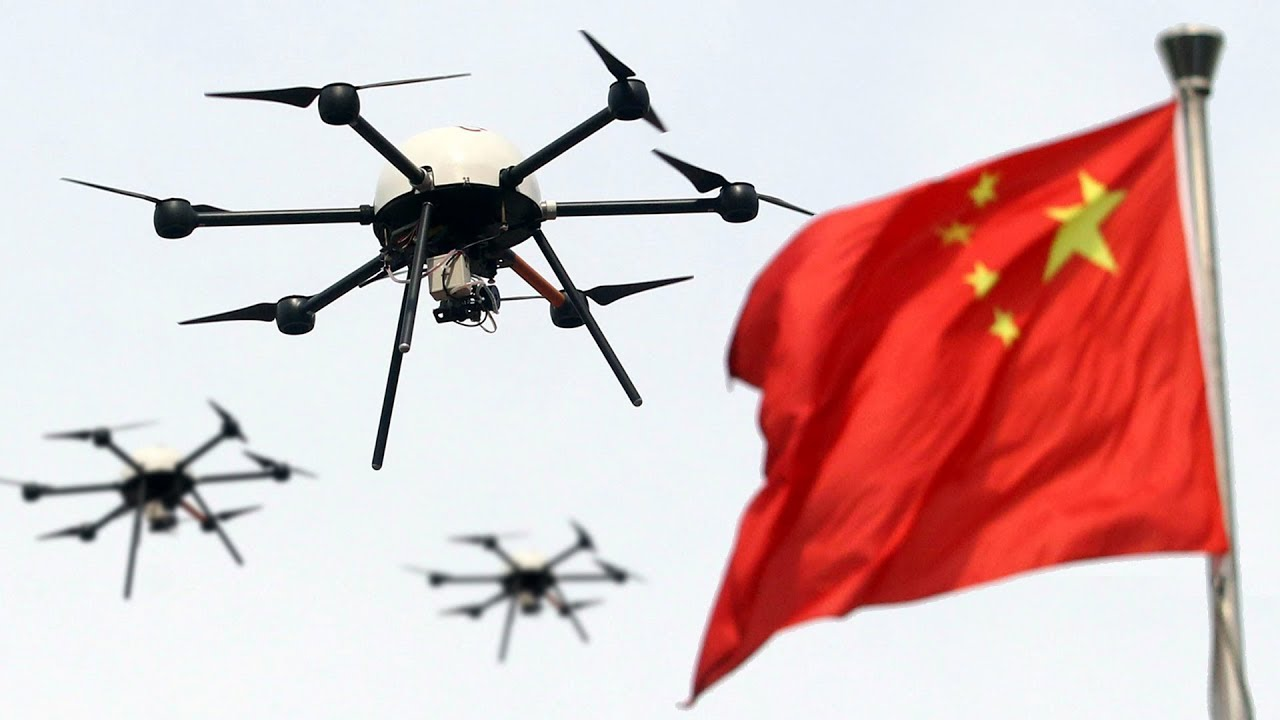
The U.S. Commerce Department is exploring new rules that could restrict or ban Chinese-made drones in the United States, citing national security concerns. The department announced on Thursday that it is considering measures to safeguard the U.S. drone supply chain, emphasizing that threats from China and Russia could allow adversaries to remotely access and manipulate these devices, thereby compromising sensitive U.S. data.

China dominates the U.S. commercial drone market, accounting for the majority of sales. In response to these national security concerns, the Commerce Department is seeking public comments on potential rules, with a deadline set for March 4. The proposed regulations could mirror those applied to Chinese vehicles, which may face similar restrictions or bans due to concerns over foreign-made equipment, chips, and software embedded in drones.

Commerce Secretary Gina Raimondo previously indicated that the department could impose restrictions akin to those that would effectively bar Chinese vehicles from U.S. markets. The focus would primarily be on drones containing Chinese or Russian-made components. Raimondo hopes to finalize the regulations on Chinese vehicles by January 20, coinciding with the inauguration of President-elect Donald Trump.

This move follows a series of actions taken by the U.S. government over the past year to address concerns about Chinese drones. Last month, President Joe Biden signed a law that could result in a ban on new models from China-based DJI and Autel Robotics, two of the largest drone manufacturers. Under this law, a U.S. agency must assess whether drones from these companies pose national security risks within a year. If no decision is made, DJI and Autel could be prevented from launching new products in the U.S.

DJI, the world’s largest drone maker, which accounts for more than half of all commercial drones sold in the U.S., has responded by warning that an inability to launch new products would hurt its business. The company has also taken legal action, suing the U.S. Department of Defense for designating it as a company with ties to China’s military. DJI denies these claims and has asserted that its products do not involve forced labor, despite Customs and Border Protection halting some of its drone imports under the Uyghur Forced Labor Prevention Act.

U.S. lawmakers have repeatedly expressed concerns about the potential risks posed by Chinese-made drones, citing data transmission vulnerabilities and surveillance issues. In 2019, Congress passed a law banning the Pentagon from using drones or components manufactured in China.


Albania TikTok Ban Sparks Debate Over Freedom of Speech

Albania’s recent decision to impose a year-long ban on TikTok has ignited a heated debate about freedom of speech and its potential impact on business operations. The ban, announced by Prime Minister Edi Rama on December 21, follows the stabbing death of a 14-year-old boy in November, which was reportedly linked to online clashes between students. The government claims the move is aimed at reducing youth violence, but critics argue it threatens both commerce and civil liberties ahead of the country’s May elections.

For small business owners like Ergus Katiaj, who uses TikTok to promote his shop in Tirana, the ban could have a significant financial impact. Katiaj relies on the app to attract customers for late-night deliveries of potato chips, cigarettes, and alcohol, with TikTok’s free marketing adding roughly 1,000 euros to his monthly earnings. He expressed concerns about the loss of this tool, emphasizing how TikTok has become essential for local businesses.

The ban comes amid growing concerns globally about the potential harms of TikTok, particularly in relation to security issues tied to its owner, China-based ByteDance, and its connection to the Chinese government. More than 20 countries have already imposed bans or restrictions on the app, citing concerns about inappropriate content or data privacy risks. However, critics in Albania view the move as part of a broader effort by Rama to stifle political dissent, especially after a year of unrest marked by violent protests against the imprisonment of opposition leaders.

Rights groups and opposition politicians have voiced concerns that the ban is a dangerous precedent that could lead to governments shutting down other platforms at will. Orkidea Xhaferaj of the Tirana-based think tank SCiDEV warned that such actions could limit citizens’ ability to freely communicate and organize, particularly as TikTok has become a powerful tool for opposition groups to spread their message.

TikTok itself has questioned the Albanian government’s decision, stating that reports suggest the violent videos leading up to the incident were posted on another platform, not TikTok. The company is seeking clarification from the government about the basis for the ban.

In addition to concerns over free speech, the decision has sparked fears that it may be a move to curtail opposition communication ahead of the upcoming elections. Arlind Qori, leader of the opposition party Bashke, argued that the ban would undermine the ability of political opponents to reach voters, calling it an attempt to silence dissent.

Prime Minister Rama, however, has defended the ban as a protective measure for young people. He reiterated that the Albanian version of TikTok would not showcase harmful content, unlike the international version, which he described as a platform for “scum and scoundrels.” Rama emphasized the need to protect youth from such influences.