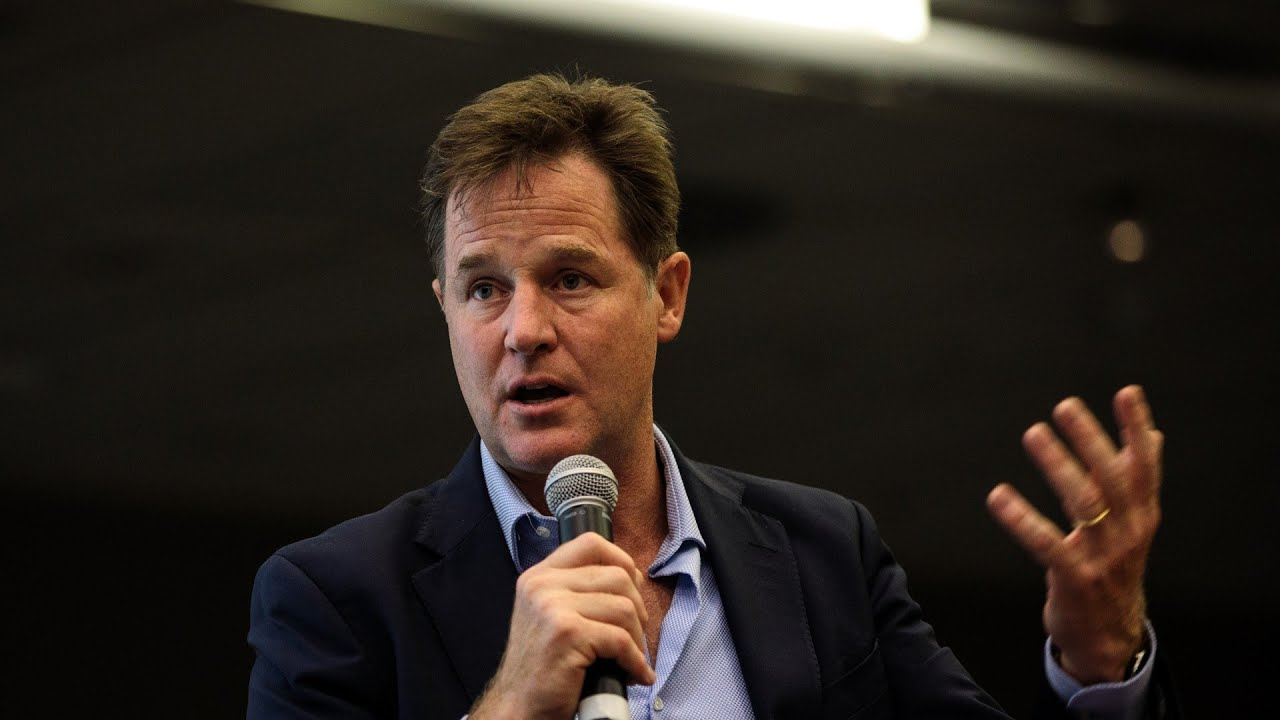
Meta Appoints Joel Kaplan as Chief Global Affairs Officer, Replacing Nick Clegg

Meta Platforms has named Joel Kaplan, a prominent Republican and long-time executive at the company, as its new Chief Global Affairs Officer, replacing Nick Clegg. The leadership change comes as Meta navigates its relationship with President-elect Donald Trump, who has criticized the company’s handling of political content and threatened legal actions against its CEO, Mark Zuckerberg.

Nick Clegg, who joined Meta in 2018 after serving as the British deputy prime minister and leader of the Liberal Democrats, announced his decision to step down from his role on social media. Clegg stated, “Joel is quite clearly the right person for the right job at the right time—ideally placed to shape the company’s strategy as societal and political expectations around technology continue to evolve.”

Kaplan’s Background and Controversies

Kaplan, who has been with Meta since 2011, previously served as Deputy Chief of Staff for Policy under former Republican President George W. Bush. During his tenure at Meta, Kaplan has been a controversial figure. He has faced accusations of promoting a conservative agenda while advocating for political neutrality. Internal company documents leaked by a whistleblower in 2021 revealed claims that Kaplan had influenced Meta’s content moderation policies to favor Republican political figures, a charge the company has denied.

Kaplan’s attendance at a Senate hearing in 2018 supporting Brett Kavanaugh, a Supreme Court nominee accused of sexual assault, further fueled employee discontent. Meta later admitted to “mistakes handling the events” surrounding Kaplan’s public stance.

Despite these controversies, Kaplan is seen as a strategic choice to lead Meta’s global policy and communications teams as the company works to align its approach with evolving political expectations. Kevin Martin, another Meta executive with Republican ties, will succeed Kaplan as head of global policy.

Meta’s Relationship with the Incoming Trump Administration

The leadership transition coincides with Meta’s efforts to mend relations with President-elect Trump following years of strained interactions. Trump, who was banned from Meta’s platforms in 2021 after the Capitol riots, has accused the company of bias against conservatives and suppressing content critical of Joe Biden during the 2020 election.

Since Trump’s election victory in November, Meta has taken steps to improve its standing with the incoming administration. The company has donated $1 million to Trump’s inaugural fund, breaking from its previous practices, and CEO Mark Zuckerberg has publicly expressed regret over content moderation decisions that alienated conservative users.

Meta’s overtures appear to have softened tensions, with Trump no longer publicly targeting the company as aggressively as in the past. However, critics argue that these moves raise questions about Meta’s commitment to unbiased content moderation and its broader influence on political discourse.

The Road Ahead for Meta

Kaplan’s appointment signals a strategic pivot as Meta faces heightened scrutiny over its role in shaping public opinion and its policies surrounding political content. The company will likely face pressure to balance the expectations of conservative political leaders, internal employee concerns, and the broader public’s demand for transparent and equitable content governance.
 

Tesla’s Annual Deliveries Decline for the First Time Amid Weak Demand and Rising Competition

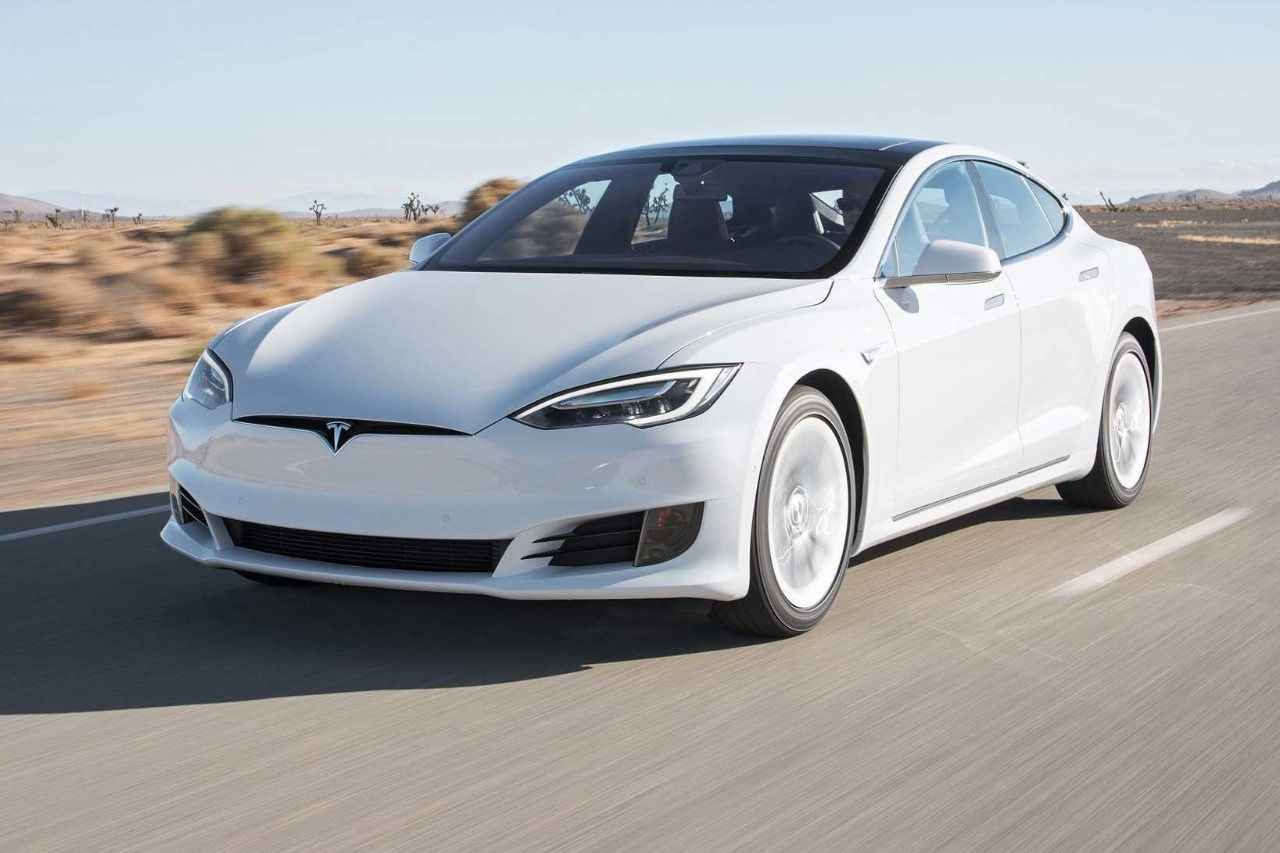
Tesla, the world’s leading electric vehicle (EV) maker, reported its first-ever annual decline in deliveries in 2024, with total deliveries falling 1.1% to 1.79 million units. The decline comes despite CEO Elon Musk’s earlier prediction of “slight growth” and an array of year-end incentives, including interest-free financing and free fast-charging. These efforts failed to counteract high borrowing costs, aging models, and increasing competition, particularly from China’s BYD.

Tesla’s quarterly deliveries in the fourth quarter totaled 495,570 vehicles, missing analysts’ estimates of 503,269 units. The company produced 459,445 vehicles in the same period, down 7% year-on-year. For the year, Tesla delivered 471,930 Model 3 and Model Y vehicles and 23,640 units of other models, including the Model S, Model X, and the newly launched Cybertruck. However, Tesla has not disclosed specific delivery figures for the Cybertruck, which has shown signs of soft demand despite its futuristic design.

Challenges in Global Markets

Tesla faced significant headwinds globally in 2024. Reduced subsidies in Europe, a consumer shift in the U.S. toward lower-priced hybrid vehicles, and tougher competition from Chinese EV makers contributed to the decline. Notably, Tesla’s October registrations in Europe dropped 24%, with Volkswagen’s Skoda Enyaq SUV dethroning the Model Y as the region’s best-selling EV, according to JATO Dynamics.

In the U.S., Tesla’s challenges were compounded by potential policy changes under President-elect Donald Trump. The Trump administration is reportedly considering ending the $7,500 federal tax credit for EV purchases in 2025, a move analysts believe could further slow the adoption of EVs in the country.

Bright Spot: Record Sales in China

China, Tesla’s second-largest market, was a rare bright spot. The company achieved record sales of over 657,000 vehicles in the country, an 8.8% increase from 2023. Aggressive discounts and incentives helped Tesla outperform in the world’s largest auto market, even as global deliveries declined.

BYD, Tesla’s closest competitor, reported a 12.1% rise in global EV sales to 1.76 million units in 2024. BYD’s success was driven by competitive pricing and strong growth in Asian and European markets, intensifying competition for Tesla.

Future Prospects and Musk’s Strategic Shift

With demand for its current lineup nearing saturation, Musk is pivoting Tesla’s focus toward building a self-driving taxi business, a venture he expects to significantly boost the company’s value. However, autonomous driving technology is still years away from full commercialization, leaving Tesla reliant on its upcoming cheaper car models and the Cybertruck to meet its ambitious 20%-30% growth target for 2025.

Musk has also positioned himself as a key ally of the incoming Trump administration, donating millions to Trump’s campaign. Musk plans to use his influence to advocate for federal approval of autonomous vehicles to replace state-specific regulations, which he described as cumbersome.

Investor Reactions and Outlook

Tesla’s shares fell 6% after the announcement of its delivery decline, with analysts raising concerns about the company’s growth trajectory and the market saturation of its current models. Morningstar analyst Seth Goldstein highlighted that slower deliveries reduce Tesla’s potential market for ancillary services like autonomous driving software, charging, and insurance.

Analysts remain cautious about Tesla’s ability to rebound. The company faces intensifying competition, regulatory uncertainty, and the challenge of rejuvenating consumer demand in a slowing EV market.


Tariff Concerns Overshadow Tech and Auto Innovation at CES 2025

As CES 2025, one of the largest tech and auto trade shows, prepares to open in Las Vegas from January 7 to 10, an unusual topic is dominating discussions: tariffs. With President-elect Donald Trump’s inauguration days away and his proposed tariffs on imports from countries like Canada, Mexico, and China looming large, attendees are bracing for tough questions about potential economic fallout.

The trade show, known for unveiling cutting-edge automotive technology, quirky gadgets, and advancements in artificial intelligence (AI), is now becoming a platform to address the cost challenges posed by tariff threats. Strategy consultant Deborah Weinswig, CEO of Coresight Research, noted that the issue has surfaced in nearly every pre-CES conversation with clients.

Tariffs and Supply Chains in the Spotlight

Companies showcasing their latest innovations are likely to face scrutiny over their supply chains and manufacturing processes. Analysts predict questions about whether businesses are considering moving production to the U.S. to mitigate tariff impacts—an expensive and time-intensive solution.

For instance, Honda, which sends 80% of its Mexican vehicle output to the U.S., has already warned it may need to shift production if permanent tariffs are imposed. According to Edmunds, nearly half of new cars sold in the U.S. are made abroad, along with a substantial share of parts in domestically assembled vehicles. S&P Global estimates that European and American automakers could lose up to 17% of their combined annual core profits if tariffs are levied on imports from Europe, Mexico, and Canada.

Economic Strain on the Auto Industry

In addition to tariff concerns, the auto industry faces challenges from weaker-than-expected demand for electric vehicles (EVs). Trump’s plans to roll back policies promoting EV adoption further compound the difficulties. Felix Stellmaszek, an automotive expert at Boston Consulting Group, emphasized the precarious position of suppliers operating on razor-thin margins. The combination of tariffs, supply-chain uncertainties, and labor shortages has pushed companies into “hyper mode” for scenario planning.

Focus on Tech and AI Innovations

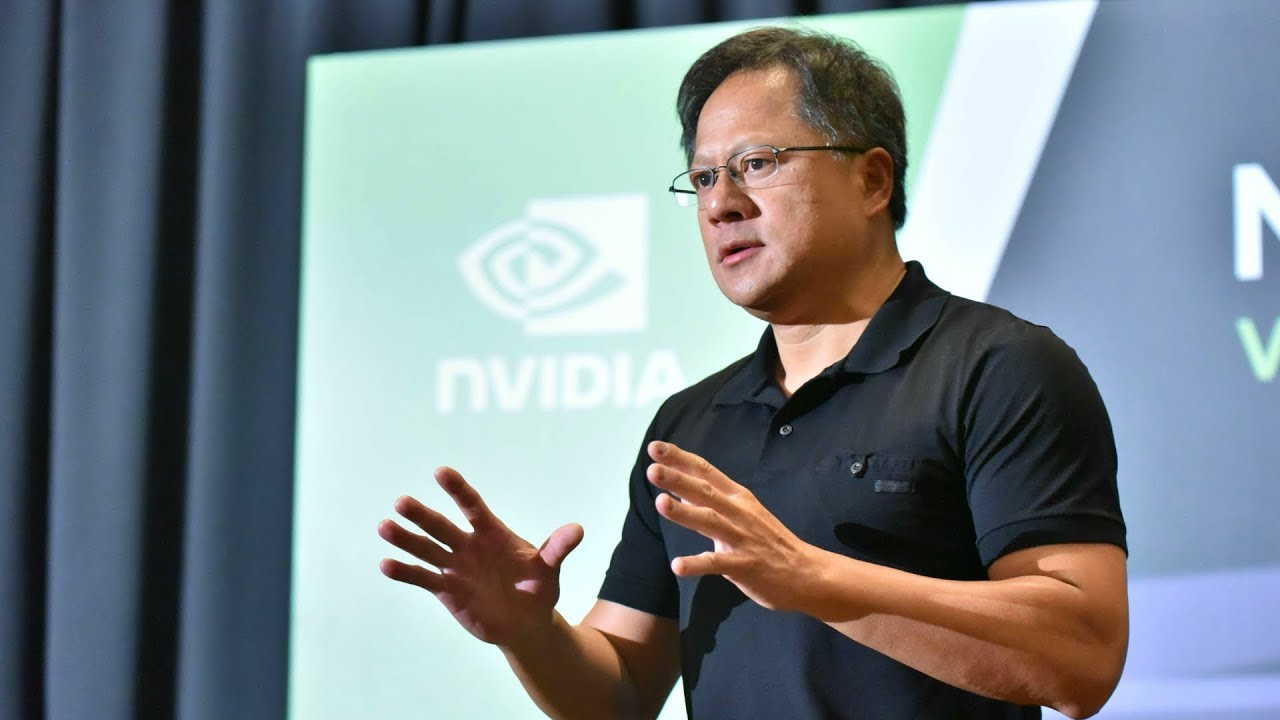
Despite economic uncertainties, CES 2025 remains a showcase for advancements in AI, self-driving technology, and software-driven automotive enhancements. Keynote speakers, including Nvidia CEO Jensen Huang and Volvo Group CEO Martin Lundstedt, are expected to unveil innovations that aim to make vehicles smarter, safer, and more efficient.

However, discussions surrounding tariffs are expected to dominate policy sessions, press conferences, and informal talks. Industry leaders such as Toyota, Bosch, and Continental are also expected to provide updates on how they are adapting to rising costs and preparing for potential policy shifts.

A Complex Outlook

The intersection of technology and economic policy is shaping CES 2025 in unprecedented ways. Questions remain about how companies can collaborate across supply chains, mitigate rising costs, and leverage technology to navigate uncertainty. “There’s still so much that’s unknown,” Weinswig remarked. “Everyone is trying to figure out every possible scenario.”