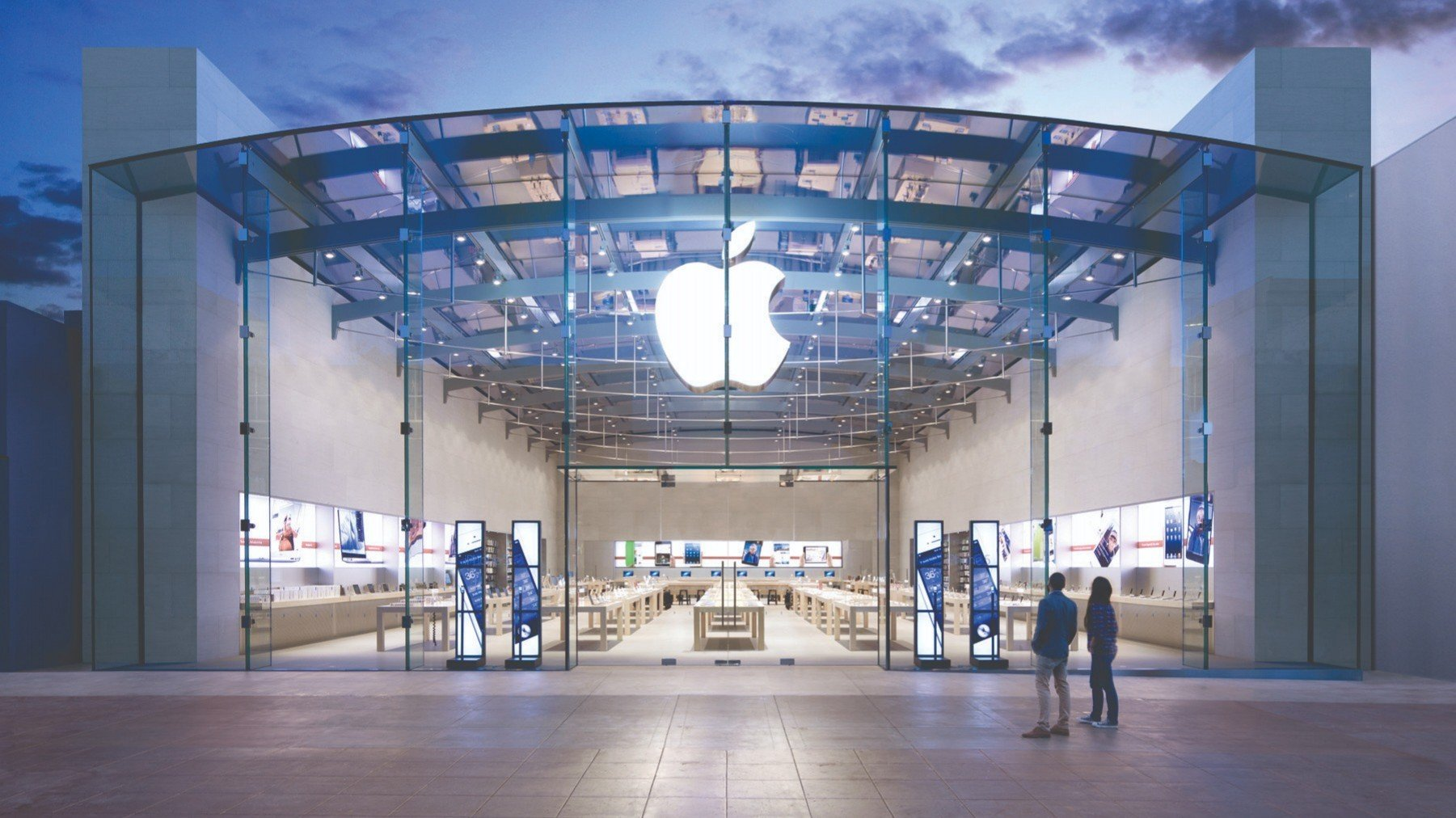
Apple Faces Mounting Challenges as Foreign Smartphone Sales Plummet in China

Foreign-branded smartphone shipments to China, including Apple’s iPhone, plunged 47.4% in November compared to the same period last year, according to data from the China Academy of Information and Communications Technology (CAICT). This marks the fourth consecutive month of decline, with shipments falling to 3.04 million units from 5.769 million units in November 2023.

The downward trend, which also saw a 44.25% year-on-year drop in October, reflects challenges faced by foreign brands in the world’s largest smartphone market. Apple, the leading foreign smartphone maker in China, has struggled amid a slowing economy and stiff competition from domestic brands like Huawei.

Economic Challenges and Consumer Behavior

China’s economic slowdown and deflationary pressures have dampened consumer spending. In November, Chinese consumer prices hit their lowest level in five months, compounding uncertainty in the market. This economic backdrop has contributed to declining market share for foreign brands, including Apple.

In an effort to counter the trend, Apple launched a rare four-day promotion in China, offering discounts of up to 500 yuan ($68.50) on its flagship models. The move aims to spur sales as Apple faces increasing pressure from competitors.

Huawei’s Resurgence

Since re-entering the premium smartphone market in August 2023 with locally developed chipsets, Huawei has gained significant ground. In the third quarter of 2024, Huawei’s smartphone sales in China surged by 42% year-on-year, while Apple’s sales slipped by 0.3%, according to research firm IDC.

Apple briefly dropped out of China’s top five smartphone vendors during the second quarter of 2024 but regained its position in the third quarter. However, the company continues to lose ground to Huawei, which has emerged as a formidable competitor in the premium segment.

Broader Smartphone Market Trends

Shipments of all phones within China, including domestic brands, declined by 5.1% year-on-year in November, totaling 29.61 million handsets. The decline underscores broader challenges in the Chinese smartphone market, where domestic brands are better positioned to weather economic headwinds than their foreign counterparts.

Apple’s ability to maintain its market presence in China is crucial, as the country remains a key market for the company. However, the ongoing economic challenges and Huawei’s resurgence present significant hurdles that Apple must navigate to sustain growth in the region.
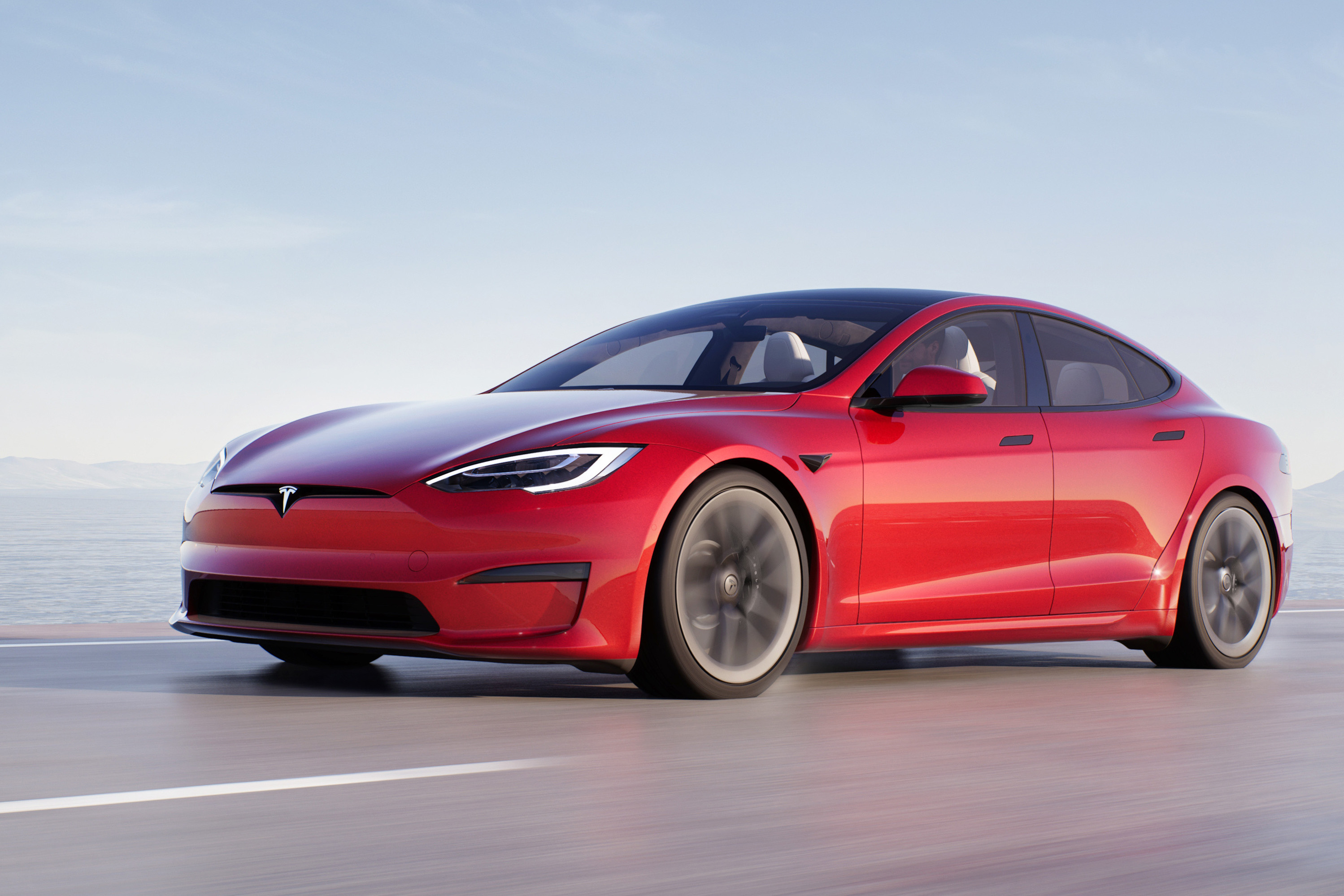
 

Tesla Achieves Record China Sales in 2024 Amid Global Decline

Tesla’s performance in China hit a new high in 2024, with sales rising 8.8% to over 657,000 vehicles, even as global deliveries fell for the first time in the company’s history. In December, Tesla China recorded its highest monthly sales of 83,000 units, marking a 12.8% increase from the previous month. China accounted for 36.7% of Tesla’s total deliveries, solidifying its position as the company’s second-largest market.

Despite Tesla’s strong performance in China, global deliveries slipped by 1.1%, falling short of CEO Elon Musk’s earlier prediction of slight growth. Contributing factors included a 24% drop in exports from China, reduced subsidies in Europe, increased competition from Chinese EV makers like BYD, and a growing U.S. preference for lower-priced hybrid vehicles.

Tesla’s Shanghai plant, the company’s most productive factory, saw a 3.3% decline in sales of its China-made Model 3 and Model Y vehicles, including domestic and export markets. Total exports from China fell to 260,000 units, the lowest since 2021. Exports to Europe were particularly affected by the EU’s subsidy investigation into Chinese EVs, resulting in an October tariff of 7.8% on Tesla cars from China.

China Leads Global EV Growth

China remained the only major market with robust EV growth in 2024, accounting for 70% of global EV and hybrid sales. Over 90% of the increase in global EV sales originated in China, underscoring the country’s dominance in the electric vehicle sector. John Zeng, head of market forecasting at GlobalData, noted that China’s growth starkly contrasts with stagnation or decline in other markets.

Tesla maintained a narrow lead in global sales, delivering 1.79 million cars, just ahead of BYD’s 1.76 million units. However, BYD outpaced Tesla in growth, with a 12.1% increase in EV sales globally and a 41% surge in total passenger vehicle sales, reaching over 4.25 million units. BYD’s overseas sales rose 71.9% to 417,204 units, though it fell short of its 450,000-unit export target due to a 17% EU tariff.

Tesla’s Strategic Adjustments

Amid fierce competition and an ongoing price war in China, Tesla has extended a 10,000-yuan ($1,369.99) discount for loans on its Model Y and offered zero-interest financing for up to five years on some Model 3 and Model Y cars. These incentives aim to maintain Tesla’s competitive edge in a market dominated by aggressive cost-cutting strategies from rivals like BYD.

Challenges and Investigations

Tesla downsized its global workforce in response to declining demand and heightened competition. Similarly, BYD faced challenges, including an investigation by Brazilian authorities into the working conditions of Chinese laborers at a construction site for a BYD factory in Brazil. Nearly 20% of BYD’s overseas sales came from Brazil, highlighting its importance as a growing market despite these setbacks.


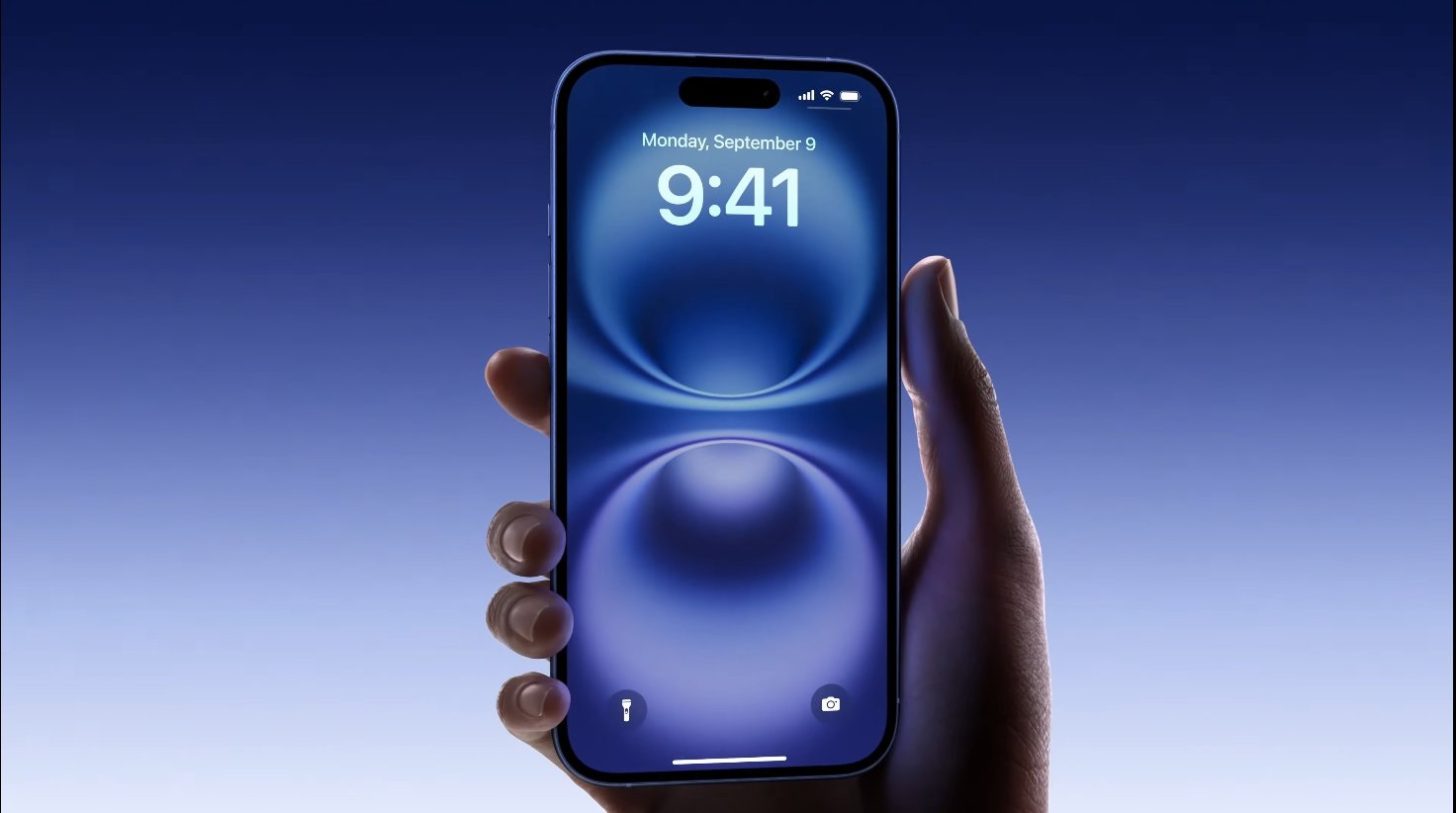
Apple Nears Indonesian Approval to Lift iPhone 16 Ban Following $1 Billion Investment

Apple is on the verge of securing approval from the Indonesian government to lift the ban on iPhone 16 sales, following a significant development in its ongoing negotiations with the country. Indonesian President Prabowo Subianto recently gave his backing for the government to accept a $1 billion investment from Apple. This move comes after a series of discussions aimed at resolving the impasse between the tech giant and the Indonesian authorities. According to sources familiar with the matter, the approval was granted after a briefing with Prabowo over the weekend, where the details of Apple’s proposal were carefully reviewed.

The tension between Apple and Indonesia began last month when the government imposed a ban on iPhone 16 sales, citing Apple’s failure to comply with local content regulations for smartphones and tablets. These regulations require that a certain percentage of a device’s components be sourced domestically, which Apple had not met, leading to the suspension of its flagship device’s sale in the country. The ban has been a point of contention, as Apple’s devices are highly popular in Indonesia, and the company sought a way to resolve the issue.

During the meeting, Prabowo not only authorized the acceptance of Apple’s $1 billion investment but also encouraged his cabinet to seek further investments from other foreign companies. The government’s decision reflects Indonesia’s interest in boosting its technological and industrial capabilities, as well as securing more foreign investment to strengthen its economy. By welcoming Apple’s investment, the government hopes to foster a better relationship with the company and potentially unlock future growth opportunities.

As the situation unfolds, the lifting of the iPhone 16 ban would be a significant win for Apple, allowing the company to resume its sales in one of Southeast Asia’s largest and most dynamic markets. This resolution underscores the importance of foreign investment in Indonesia’s economic strategy, as well as the influence of multinational companies like Apple in shaping global trade policies and regulatory environments.