Panasonic Energy Aims to Cut China Supply for U.S. EV Battery Business Amid Tariff Concerns

Panasonic Energy, a key supplier of electric vehicle (EV) batteries to Tesla and other automakers, has set its top priority to eliminate its reliance on China for U.S.-made batteries, according to a senior executive. Allan Swan, President of Panasonic Energy of North America, told Reuters that adjusting the company’s supply chain is its “No.1 objective” in response to the incoming policies of U.S. President-elect Donald Trump, who has pledged to impose significant tariffs on imported goods, including a 60% tariff on Chinese products.

Panasonic Energy, a subsidiary of Japanese electronics giant Panasonic, currently relies on some Chinese suppliers, though Swan emphasized that the company is working towards reducing this dependence. “We do have some Chinese supply, but we don’t have a lot, and we plan to have even less going forward,” Swan stated. The shift is being accelerated by the potential tariffs and is part of Panasonic’s broader strategy to strengthen its American supply chain.

The raw materials used in Panasonic Energy’s U.S.-manufactured batteries primarily come from international suppliers, including those based in Canada. In response to President Trump’s transition team’s recommendation to impose tariffs on battery materials, Panasonic is taking a “three-pronged approach” to modify its supply chain. This includes securing more U.S. suppliers, supporting Japanese and Korean suppliers to set up operations in the U.S., and collaborating with existing suppliers already planning U.S.-based operations.

Swan emphasized that Panasonic Energy’s focus is on building a robust domestic supply chain to meet U.S. production targets. The company operates a factory in Nevada and plans to open another in Kansas later this year. These efforts are part of Panasonic’s broader goal of aligning with U.S. trade policies and increasing local production as the U.S. shifts toward greater protectionism.

Japanese firms, including major automakers like Nissan and Honda, are bracing for the potential impacts of U.S. tariffs, particularly those targeting Mexico, a key low-cost production hub for the American market. Heavy machinery company Komatsu has also voiced concerns about the potential trade disruptions between the U.S. and Canada.

 

Israeli Cybersecurity Firms Raise $4 Billion in 2024, Driven by Cloud and AI Security Demand

Israeli cybersecurity companies raised a record $4 billion in 2024, more than double the amount raised in 2023, fueled by increasing demand for cloud protection and artificial intelligence (AI) security solutions. According to YL Ventures’ latest State of the Cyber Nation Report, cybersecurity has rapidly become one of Israel’s fastest-growing sectors, contributing significantly to the nation’s economy, which depends heavily on high-tech industries. The sector now represents 20% of Israel’s economic activity, 16% of jobs, and more than half of its exports.

Despite geopolitical challenges, YL Ventures projects that Israel’s cybersecurity industry will continue to expand globally, with Israeli cybersecurity startups gaining recognition as dominant players on the world stage. The report highlighted that 2024 saw 89 funding rounds in Israel’s cybersecurity sector, with 50 of those rounds in early-stage (seed) funding, totaling $400 million. Global venture capital firms more than doubled their funding rounds compared to the previous year.

In the growth stage, which includes Series C and higher rounds, 16 rounds raised $2.9 billion—an increase of 300% from the $888 million raised in 2023. Overall, Israeli cybersecurity firms raised $1.89 billion in 2023. YL Ventures’ Andy Ellis believes that 2024’s funding activity signals a positive trend for 2025, with greater access to funding in early (A and B) rounds, larger investments in later (C and beyond) rounds, and a continued increase in seed-stage funding.

Ofer Schreiber, senior partner at YL Ventures, attributes Israel’s cybersecurity success to the country’s military intelligence expertise, which fosters a practical, results-driven entrepreneurial culture. However, the outbreak of war in October 2023, following an attack by Hamas militants, forced many tech founders into military service, creating operational challenges. Schreiber noted that cybersecurity founders had to adapt quickly to ensure business continuity amid uncertain economic conditions and a concerned customer base.


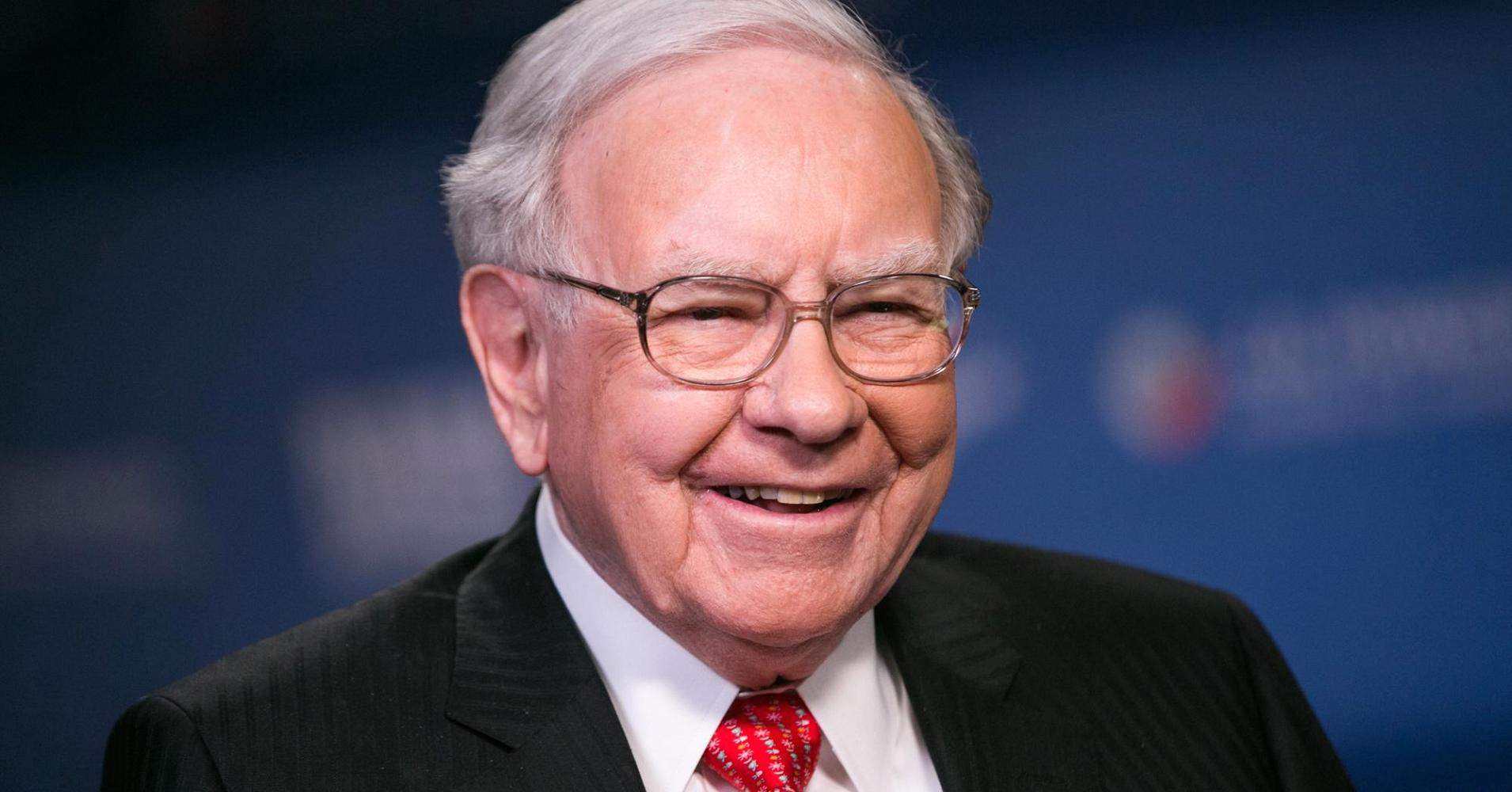
Berkshire Shareholder Proposes AI Oversight Committee Amid Growing Concerns

A shareholder of Berkshire Hathaway, the multinational conglomerate led by Warren Buffett, is urging the company to establish a committee of independent directors to oversee artificial intelligence (AI) risks. Tulipshare, an activist investment group based in London, submitted the proposal ahead of Berkshire’s annual meeting, scheduled for May 3. The resolution calls for the formation of a dedicated committee to monitor AI-related issues across the diverse businesses in Berkshire’s portfolio.

The proposal highlights the potential risks associated with AI, such as data breaches, privacy violations, business disruptions, and human rights concerns. Tulipshare argues that due to Berkshire’s vast influence across multiple industries, the company is in a unique position to lead in AI governance and ensure responsible use of the technology.

Berkshire’s spokesperson, Debbie Bosanek, confirmed that the proposal will be included in the company’s proxy statement. Warren Buffett has previously acknowledged AI’s significant potential, both for positive impact and harm. In a 2023 meeting, Buffett expressed unease about AI-generated content when an image and message surfaced that appeared to come from him, despite being fabricated.

However, Berkshire’s governance structure has traditionally been resistant to shareholder proposals calling for independent oversight. Buffett holds significant voting power—controlling over 30% of Berkshire’s voting shares—which makes it challenging for shareholder resolutions to succeed without his endorsement. Last year, a similar proposal to create an independent oversight committee for safety at Berkshire’s BNSF railroad received minimal support from shareholders.

Tulipshare argues that an AI oversight committee would align with Berkshire’s decentralized business model by providing unified oversight without disrupting the day-to-day operations of its subsidiaries. Given Buffett’s personal concerns about AI, particularly deepfake technology, the activist group suggests the proposal might gain traction.

Berkshire Hathaway owns a wide range of companies, including Geico, Brooks, See’s Candies, and Berkshire Hathaway Energy, in addition to its investments in major tech firms like Apple and Amazon. Despite Buffett’s long-standing leadership since 1965, the proposal signals growing shareholder interest in responsible AI governance within large corporations.