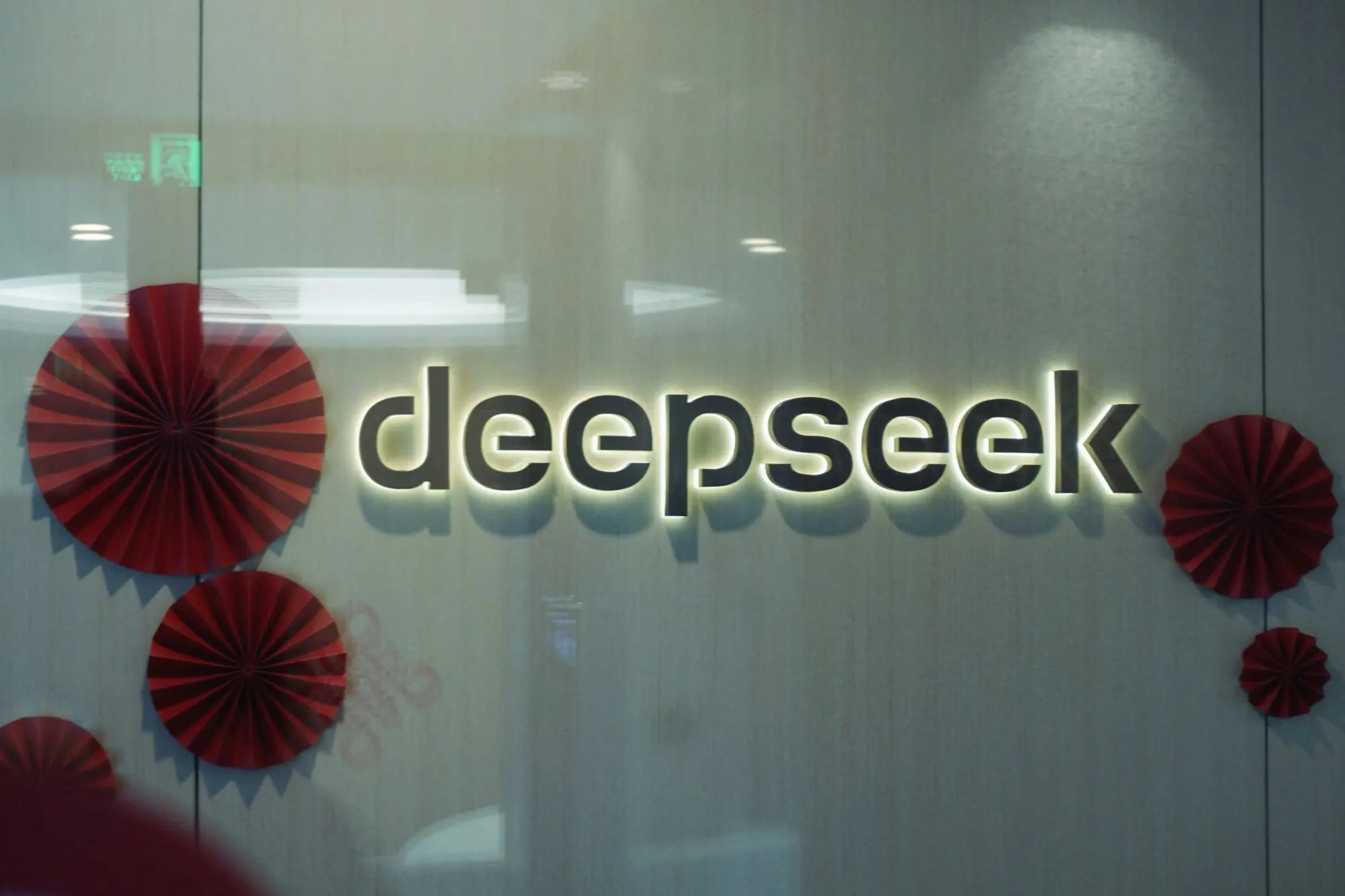
DeepSeek’s Global Success Sparkles with National Pride in China

Chinese bloggers, state media, and citizens are celebrating the rapid success of DeepSeek, the homegrown AI startup, viewing its rise as a symbol of China’s resilience against Western efforts to constrain its tech industry. Last week, DeepSeek launched a free AI assistant that claims to use less data at a fraction of the cost of competing services. By Monday, it had surpassed U.S. rival ChatGPT in downloads on Apple’s App Store, prompting a significant selloff in tech shares globally.

DeepSeek’s ability to rival the capabilities of OpenAI while offering a more affordable alternative has raised concerns about the sustainability of profit margins and business models of U.S. AI giants such as Nvidia and Microsoft. In China, the startup’s success has been seen as a victory against U.S. efforts to block access to advanced semiconductors, which are critical for AI development.

“This symbolizes that U.S. containment, persecution, and sanctions in advanced technology against China have completely failed,” wrote military commentator Chen Xi on his WeChat account. This sentiment aligns with statements from former U.S. President Donald Trump, who suggested that DeepSeek’s achievements should spur American firms to innovate and that it was beneficial for Chinese companies to introduce cheaper, faster AI technology.

In Zhejiang, where DeepSeek is based, the provincial government’s media office published a widely shared essay celebrating the company’s success. The article, read more than 100,000 times, declared, “The moon overseas is not actually more round. Whatever others can do, we can also do—and even do it better.” The essay pushed back against both overly optimistic and overly pessimistic views of China’s technological progress.

This wave of pride surrounding DeepSeek mirrors the response to Huawei’s surprise launch of the Mate 60 Pro smartphone in 2023, which came despite U.S. sanctions. At that time, the state-backed Global Times praised Huawei’s ability to produce high-end smartphones, arguing that the U.S. crackdown had failed.

The reaction from the Chinese public has been equally supportive. Chen Jianuo, a 38-year-old Beijing resident, expressed pride over DeepSeek’s international success, reflecting on the positive global attention the company has garnered. “China has made great progress in AI development, and I hope our technological growth continues,” she shared.

Leo Li, a 24-year-old student, also voiced his pride, saying, “It’s exciting that a Chinese company is on par with Meta and OpenAI. As a Chinese citizen, it feels great to see our AI research becoming a global sensation.”

 

IBM Surpasses Profit Estimates in Q4 as AI and Software Drive Growth

IBM (IBM.N) exceeded fourth-quarter profit forecasts on Wednesday, bolstered by strong demand in its software division as businesses increased IT spending. This growth, driven by a shift toward cloud infrastructure and the adoption of generative artificial intelligence technology, sent IBM’s shares soaring by approximately 10% in after-hours trading.

The company’s software segment saw its largest revenue increase in five years, benefiting from the heightened focus on AI-driven cloud solutions. Analyst Matt Swanson of RBC Capital Markets noted that increased software growth is associated with higher profit margins.

IBM also raised its outlook for fiscal 2025, forecasting revenue growth of at least 5% at constant currency, compared to 3% growth in 2024. This projection indicates confidence in IBM’s AI and cloud strategy, according to Michael Schulman, chief investment officer at Running Point Capital.

IBM’s “AI Book of Business” — a combination of bookings and actual sales across various AI products — reached over $5 billion, a $2 billion increase from the third quarter. The company made its “Granite” AI models open-source in May, positioning itself differently from competitors like Microsoft (MSFT.O), which charge for access to their AI models. This approach mirrors the strategy of DeepSeek, a Chinese startup that launched a free AI assistant, raising concerns over U.S. tech dominance.

Despite this, IBM’s Chief Financial Officer, James Kavanaugh, did not provide details on whether IBM intends to offer DeepSeek’s models on its Watsonx platform, which helps users deploy chatbots and other AI tools.

On the downside, IBM’s consulting division, which dominates its AI business, experienced a 2% decline in revenue, totaling $5.2 billion for the quarter. The focus on long-term AI integration consulting projects has yet to reflect in revenue figures. Overall, IBM’s total revenue remained flat at $17.55 billion for the quarter, aligning with analyst expectations. The company reported adjusted per-share earnings of $3.92, surpassing the forecast of $3.75.


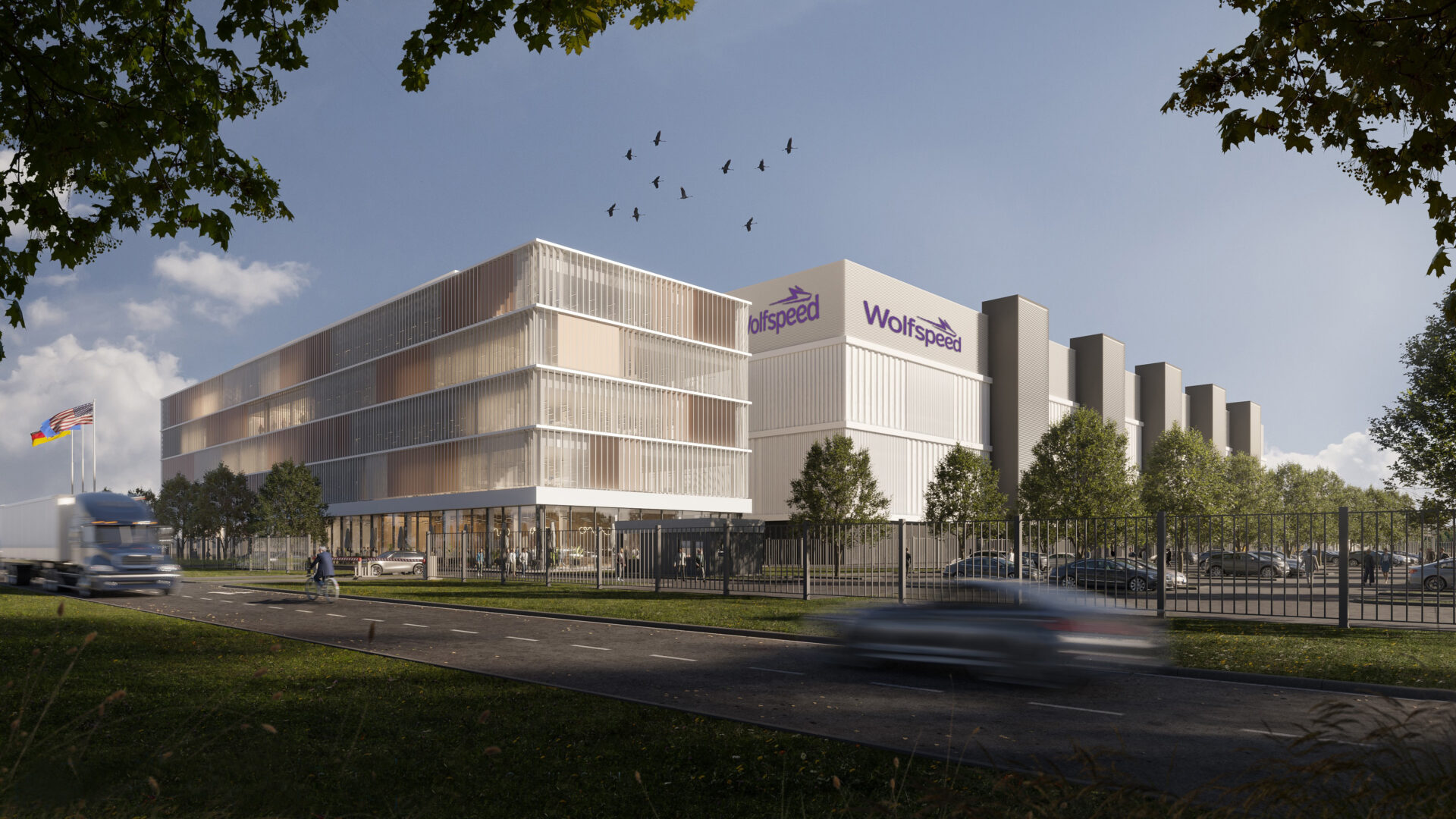
Wolfspeed Exceeds Q2 Revenue Expectations Amid Operational Shifts

Wolfspeed (WOLF.N) outperformed Wall Street expectations for second-quarter revenue and reported a smaller-than-anticipated net loss, demonstrating progress as the company implements changes to enhance profitability.

In the first quarter of 2025, Wolfspeed shut down some facilities and transitioned its device business to a 200-millimeter silicon carbide fab. This move aims to improve product efficiency and increase production capacity, especially in response to the growing demand for chips utilizing silicon carbide technology. These chips are critical for high-power applications such as electric vehicle powertrains, e-mobility, renewable energy systems, battery storage, and AI data centers.

For Q2, Wolfspeed reported revenue of $180.5 million, slightly exceeding the average analyst estimate of $179.9 million. The company’s net loss per share was 95 cents, better than the expected loss of $1.02 per share. The Mohawk Valley Fab facility contributed around $52 million in revenue.

Despite weak demand from automotive clients, Wolfspeed made leadership changes in November, replacing CEO Gregg Lowe with Thomas Werner, who took on the role of executive chairman as the company searches for a permanent CEO.

Looking ahead, Wolfspeed projects third-quarter revenue from continuing operations to range from $170 million to $200 million, with the midpoint falling short of analysts’ expectations of $193.6 million. The company anticipates an adjusted quarterly loss per share between 88 cents and 76 cents, compared to estimates of a loss of 86 cents. It also expects restructuring-related costs of $72 million for the third quarter.