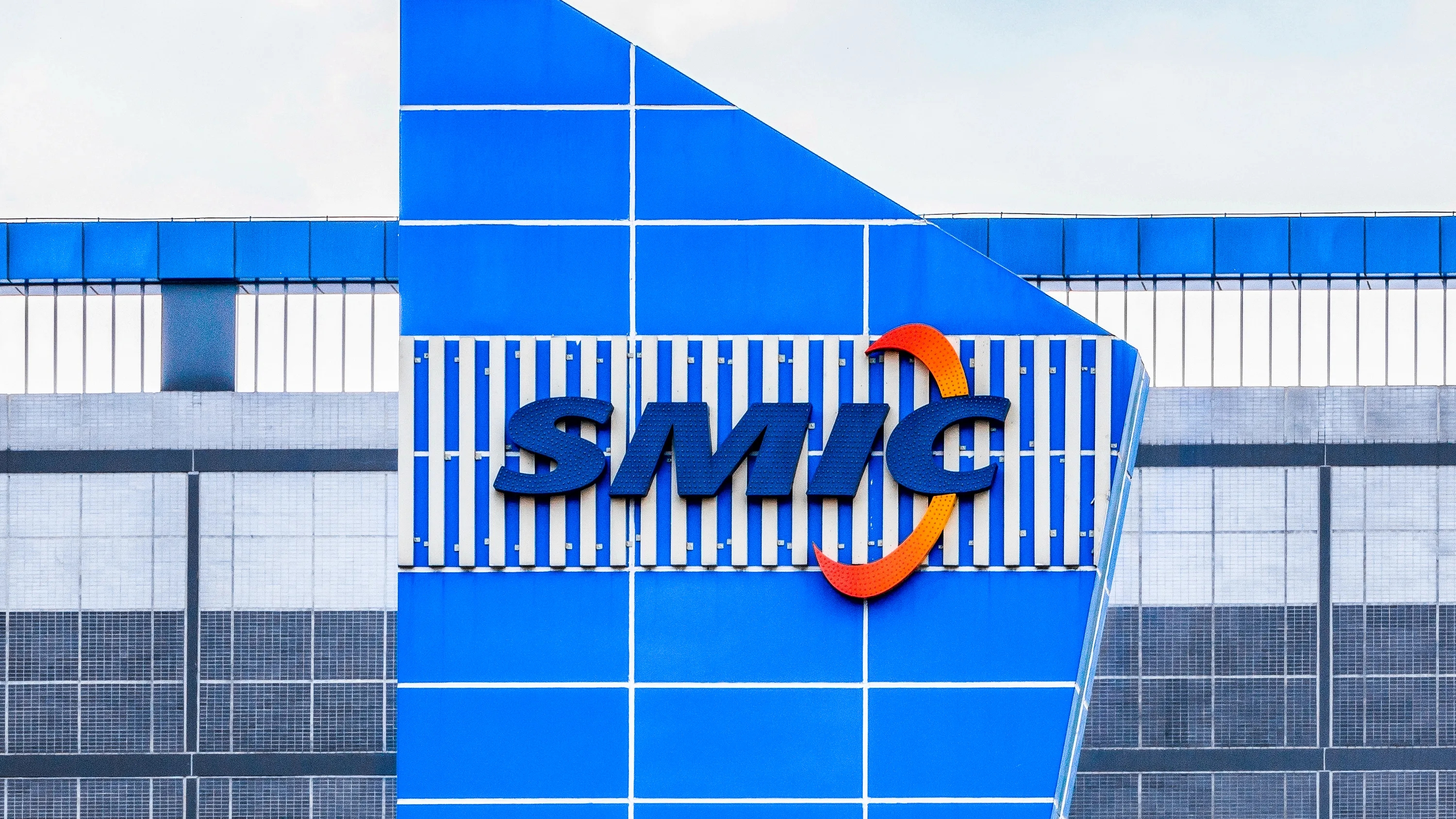
China’s SMIC Flags Chip Oversupply Risk on Weakening Demand, Rising Output

Semiconductor Manufacturing International Corp. (SMIC), China’s largest chipmaker, has raised concerns about a potential oversupply of mature-node chips in the second half of 2025. The company, which specializes in established chips used in consumer electronics and home appliances, noted that the market could face an imbalance due to weakening demand and increased output.

During the COVID-19 pandemic, SMIC benefited from a surge in demand for its chips as people relied on consumer electronics during stay-at-home orders. However, as people return to offices and replacement demand slows, SMIC has experienced a drop in consumer-driven demand. Advanced chips for Huawei smartphones account for a small portion of SMIC’s revenue, with the company never confirming whether it produces chips for Huawei.

Co-CEO Zhao Haijun warned analysts that two key factors could impact the second half of 2025. First, the company expects a decline in order volume as demand for chips has been pulled forward into the first half of the year. Second, the increase in production capacity across the industry is likely to result in price competition among manufacturers for orders.

SMIC reported a 31.5% year-on-year increase in revenue for the October-December period, reaching $2.2 billion, meeting market expectations. The company expects first-quarter revenue to grow by 6% to 8% compared to the previous quarter. The positive share movement was attributed to broader optimism in Chinese stocks and the development of cost-effective AI models by DeepSeek, which could benefit domestic chipmakers like SMIC.

Despite the challenges, SMIC’s strong first-quarter outlook and steady capital expenditure (CAPEX) plans have bolstered investor confidence. In 2023, SMIC’s capital expenditure surged to $7.3 billion from $4.5 billion in 2021, and the company expects to maintain a similar level in 2024 and 2025.

However, SMIC’s gross profit margin has seen a decline, dropping to 20% in 2023 compared to over 30% in previous years. While profitability improved in the October-December period, Zhao expects continued pressure on profitability in 2025 due to rising depreciation costs from increased capital expenditure. Profit attributable to owners of SMIC was reported at $107.6 million for the period, below analysts’ expectations of $193.45 million.

DeepSeek May Face Further Regulatory Actions, EU Privacy Watchdog Says

Europe’s privacy watchdog, the European Data Protection Board (EDPB), has indicated that the Chinese AI startup DeepSeek may face additional regulatory actions in the future. This statement comes after national privacy regulators in several European countries raised concerns over DeepSeek’s practices regarding personal data usage.

The EDPB’s announcement followed discussions among national data protection authorities (DPAs) at a monthly meeting on Tuesday. The regulators had already taken steps in Italy, where DeepSeek’s chatbot was blocked due to insufficient transparency regarding its use of personal data. In addition, enforcers in France, the Netherlands, Belgium, Luxembourg, and other nations have questioned DeepSeek about its data collection methods.

“Several DPAs have already started actions vis-a-vis DeepSeek, and there may be further actions in the future,” an EDPB spokesperson confirmed. As a result of these concerns, the EDPB expanded its taskforce, initially focused on Microsoft-backed OpenAI’s ChatGPT, to include DeepSeek. The taskforce was created in April 2023 to promote cooperation and information sharing on AI enforcement actions.

The regulators also emphasized the need for a coordinated response to sensitive matters and have decided to form a quick response team to address urgent issues. Europe’s General Data Protection Regulation (GDPR), which took effect in 2018, remains one of the strictest privacy laws globally, and the region continues to lead efforts in protecting citizens’ privacy rights.

US Chip Toolmaker Lam Research to Invest Over $1 Billion in India

Lam Research (LRCX.O), a U.S.-based chip toolmaker, announced it will invest over 100 billion rupees (approximately $1.2 billion) in India’s Karnataka state, marking a significant contribution to the country’s semiconductor development plans. The announcement was made during an ‘Invest Karnataka’ event on Tuesday, where Lam Research signed a memorandum of understanding (MoU) with the Karnataka Industrial Area Development Board (KIADB) to formalize the investment.

The Indian government, led by Prime Minister Narendra Modi, has been actively working to boost the country’s semiconductor industry, with initiatives such as a $10 billion incentive package aimed at stimulating growth in this sector. India’s semiconductor market is projected to reach $63 billion by 2026, and global chip firms are increasingly investing in the country to strengthen its semiconductor ecosystem and compete with dominant hubs like Taiwan.

India’s IT minister hailed Lam Research’s investment as a “big vote of confidence” in the government’s semiconductor vision and described it as a “milestone” in India’s journey to becoming a significant player in the global chip industry.

Headquartered in Fremont, California, Lam Research develops essential tools for semiconductor manufacturing, focusing on wafer-processing and semiconductor device wiring. Karnataka, home to the IT hub of Bengaluru, plays a major role in India’s economy and is a leading exporter of software, IT services, and manufactured goods.