Sony Extends PlayStation Plus Membership After Global Outage

Sony has announced a five-day extension for all PlayStation Plus subscribers following a global outage that disrupted the PlayStation Network (PSN) for nearly 18 hours on Friday and Saturday. The company confirmed that network services had been fully restored by Saturday evening and expressed regret for the inconvenience caused to users.

The outage, which began late on Friday, prevented users from signing in, playing online games, or accessing the PlayStation Store. Sony did not specify the cause of the disruption in its update. At its peak, the outage affected nearly 8,000 users in the U.S. and over 7,300 in the UK, according to Downdetector.com, which tracks service interruptions.

This incident is the latest in a series of PSN outages, though Sony has faced more severe disruptions in the past. A cyberattack in 2014 forced the network offline for several days, and a significant data breach in 2011 compromised the personal information of millions of users, resulting in a month-long service shutdown and a regulatory investigation.

Despite the inconvenience, the extended PlayStation Plus membership is seen as a way to compensate users for the lost time. One user on X (formerly Twitter) humorously remarked that Sony had “saved millions of gamers’ Sunday” after the outage impacted their Saturday.
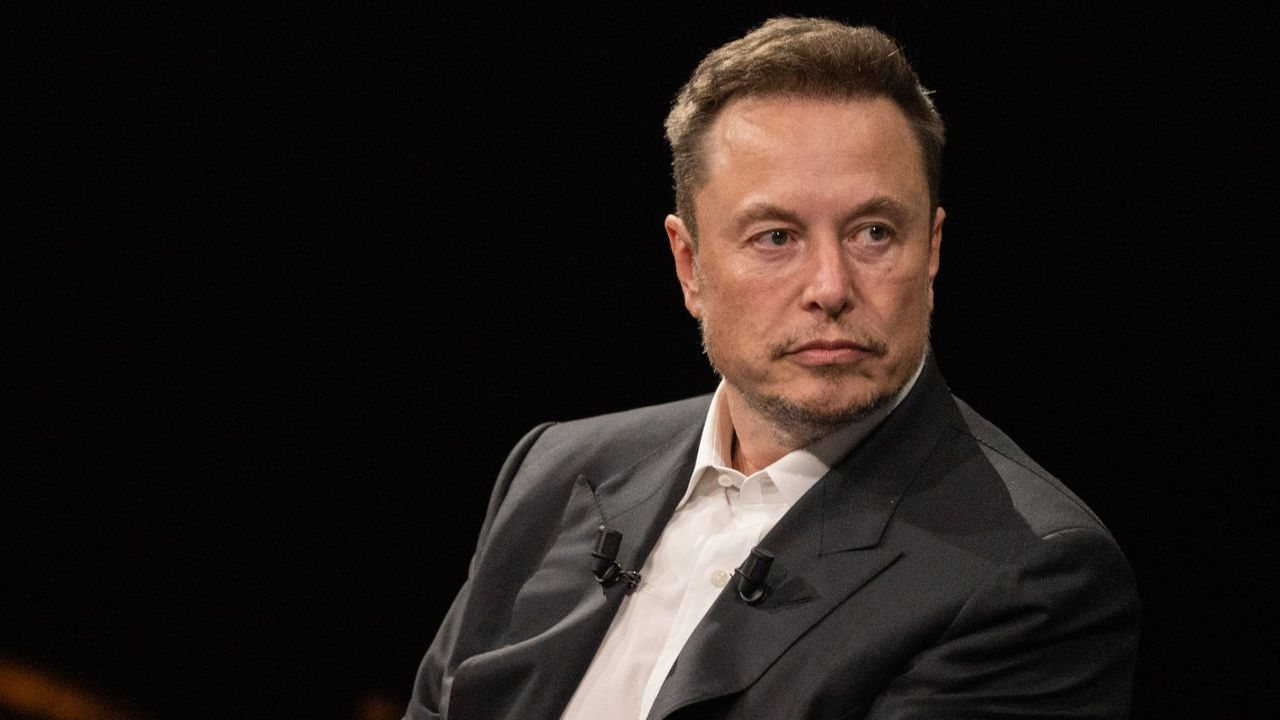
Elon Musk Declines Interest in Purchasing TikTok

Billionaire Elon Musk stated that he has no interest in acquiring TikTok, the popular short-video app that has faced scrutiny in the U.S. due to national security concerns over its Chinese parent company, ByteDance. His remarks were made in late January during a summit hosted by The WELT Group, part of Axel Springer SE, and were released online on Saturday.

Musk’s comments came shortly after U.S. President Donald Trump indicated he would be open to Musk purchasing TikTok. However, Musk emphasized that he has not made any bids for the platform and has no plans for managing TikTok if he were to acquire it. “I don’t use TikTok personally and I’m not familiar with its format,” Musk said, adding that acquiring companies is not his usual approach, as he typically prefers building businesses from the ground up.

This week, TikTok has attempted to bypass restrictions by enabling U.S. Android users to download the app via package kits from its website, as Apple and Google have yet to reinstate TikTok to their app stores following the implementation of a new U.S. law.

The U.S. government has raised concerns that TikTok could potentially share data with the Chinese government, prompting lawmakers to demand the app’s sale or face a ban. While TikTok has denied these allegations, its future remains uncertain.

President Trump, who has signed an executive order to potentially buy TikTok through a sovereign wealth fund, has shown a new interest in the app after previously attempting to block it. Despite past attempts to ban TikTok over security concerns, Trump has more recently expressed a positive view of the app, citing its influence on younger voters.

TikTok Allows US Android Users to Download App Through Its Website

On Friday, TikTok announced it would enable U.S. Android users to download the app directly from its website using package kits. This move aims to bypass the ongoing restrictions on the platform in the U.S., where Apple and Google have not reinstated TikTok to their app stores.

Since January 19, a new U.S. law has required TikTok’s Chinese parent company, ByteDance, to either sell the app or face a potential ban due to national security concerns. Although President Donald Trump signed an executive order that delayed enforcement of the law by 75 days, discussions continue regarding the future of TikTok, which has around 170 million U.S. users.

Trump also signed an order to create a sovereign wealth fund, which could be used to potentially purchase TikTok. U.S. officials have raised concerns about the potential misuse of American data under ByteDance’s ownership.

While some lawmakers argue in favor of banning TikTok, citing security risks, free speech advocates have opposed such measures. TikTok counters that its content recommendation system and user data are stored in the U.S. on cloud servers operated by Oracle. The company also maintains that decisions regarding content moderation for American users are made in the U.S.