Chinese Companies Embrace DeepSeek’s AI Amid Growing Frenzy

Chinese companies, including Great Wall Motor and major telecom providers, are quickly integrating the AI model released by DeepSeek, capitalizing on its attention and breakthroughs. Great Wall Motor, China’s first listed automaker, confirmed that it had embedded DeepSeek’s AI into its connected vehicle system, branded “Coffee Intelligence.” This integration marks a significant shift as the company seeks to enhance its technological offerings.

Meanwhile, China’s Ministry of Industry and Information Technology (MIIT) announced that the country’s three largest telecom operators—China Mobile, China Unicom, and China Telecom—are collaborating with DeepSeek to promote the inclusive application of AI technology. This move is part of a larger trend as companies rush to incorporate the model into their products.

DeepSeek’s AI platform has sparked investor interest, fueling speculation about its disruptive potential across China’s tech sector. Stocks of Chinese companies tied to AI, including chipmakers, software developers, and data center operators, have surged in response to this new development. Capitalonline Data Service and MeiG Smart Technology, two listed companies, experienced significant stock price jumps after announcing their integration of DeepSeek’s AI. However, both firms have cautioned investors, stating that the impact on their future business performance remains uncertain.

Other industry giants like Tencent and Huawei have also joined the wave, revealing they have integrated DeepSeek’s model into their own offerings. The rapid adoption highlights the growing impact of DeepSeek’s AI on China’s tech landscape.

France to Announce 109 Billion Euros in Private Sector Investments for AI

President Emmanuel Macron revealed that France will announce private sector investments totaling approximately 109 billion euros ($112.5 billion) in artificial intelligence (AI) during the Paris AI summit set to begin on Monday. This significant financing includes notable contributions from Canadian investment firm Brookfield and the United Arab Emirates (UAE).

Brookfield plans to invest 20 billion euros into AI projects in France, while UAE investments could reach up to 50 billion euros in the coming years. The Elysee Palace highlighted that the UAE’s investment will include funding for a 1 gigawatt data center, a critical component for powering AI systems. According to reports from La Tribune de Dimanche, the majority of Brookfield’s investment will also be directed towards a data center.

Given that AI requires immense amounts of energy to operate its vast data centers, Europe is anticipated to face challenges in meeting future energy demand. Macron’s announcement signals a significant push to position France as a leader in AI development and infrastructure. This move aligns with global trends, as other nations, including the U.S., are also ramping up investments in AI infrastructure to remain competitive.

T-Mobile and Starlink to Launch Satellite Connectivity for $15 a Month

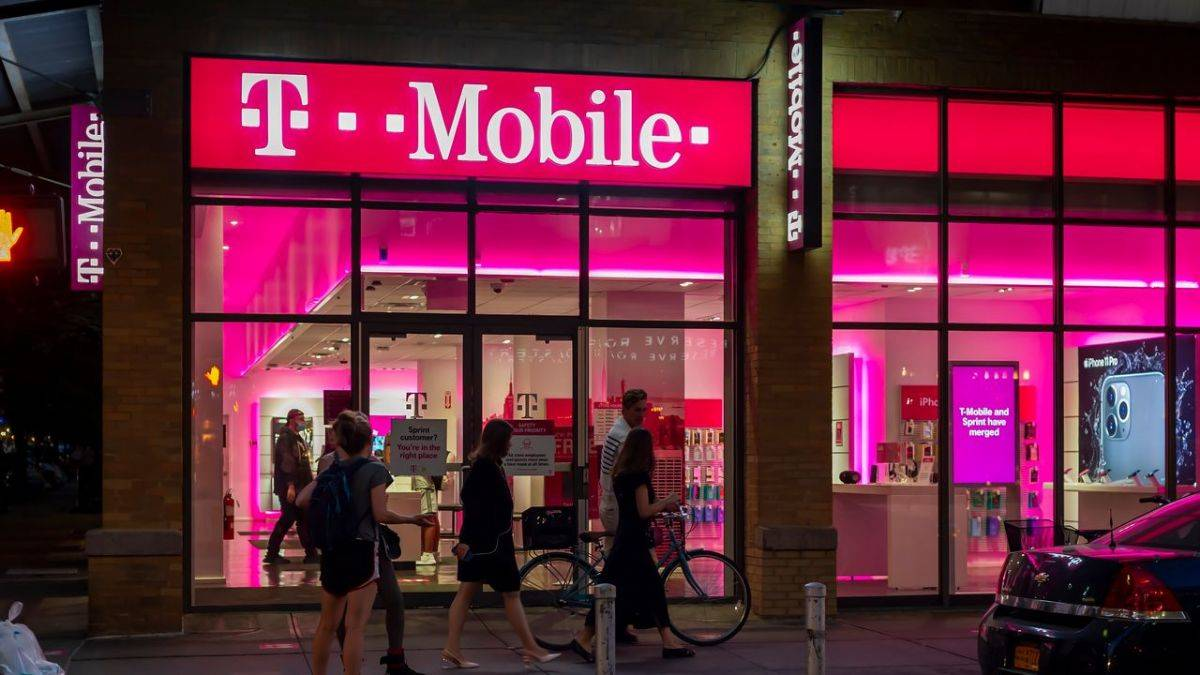
T-Mobile has announced that it will launch its satellite-to-cell service, powered by SpaceX’s Starlink, in July at a cost of $15 per month. The initiative aims to eliminate mobile dead zones and provide connectivity to remote areas, marking a significant advancement in mobile technology. T-Mobile’s shares rose by approximately 4% in premarket trading on Monday following the announcement.

The satellite service will address coverage gaps in regions of the U.S. that are inaccessible by traditional cell towers, with T-Mobile stating that 500,000 square miles of such areas will now have connectivity. A beta trial for the service began on Sunday, with T-Mobile offering the service free to customers until the official launch. After that, the service will be included at no additional cost for customers on the premium Go5G Next plan. Other plan customers will receive a 33% discount when the service officially launches.

In a groundbreaking move, T-Mobile will make the Starlink service available to customers of all U.S. wireless providers, including AT&T and Verizon, without requiring them to switch. The initial beta version of the service will provide text messaging via satellite, with voice and data features planned for later.

Mike Katz, T-Mobile’s president of marketing, strategy, and products, emphasized that the service is unique in the U.S. and will work across most smartphones from the last four years, thanks to partnerships with Apple and Google for seamless integration with their operating systems. This satellite service is expected to revolutionize connectivity for users in hard-to-reach areas.