Atos Announces Reverse Stock Split to Boost Investor Confidence

French IT company Atos (ATOS.PA) announced on Friday that it will implement a reverse stock split to restore investor confidence following a financial restructuring plan completed last year to address a severe debt crisis. The reverse stock split will begin on March 25 and conclude on April 23, with new shares trading from April 24.

Under the split, every 10,000 old shares, each with a nominal value of 0.0001 euros, will be consolidated into one new share valued at 1 euro. The new shares, which are expected to be priced at around 49 euros ($53.02), will start trading on April 24.

Atos’ shares have dropped to all-time lows, trading at approximately half a cent, following a 233-million-euro capital increase last year that led to significant dilution for shareholders. The reverse stock split is intended to reduce stock price volatility and create a more favorable stock market dynamic.

The company, which owns the supercomputers integral to France’s nuclear deterrent, plans to hold a capital markets day in May to unveil its new strategic direction.
U.S. Labor Department Investigates Scale AI for Fair Labor Practices

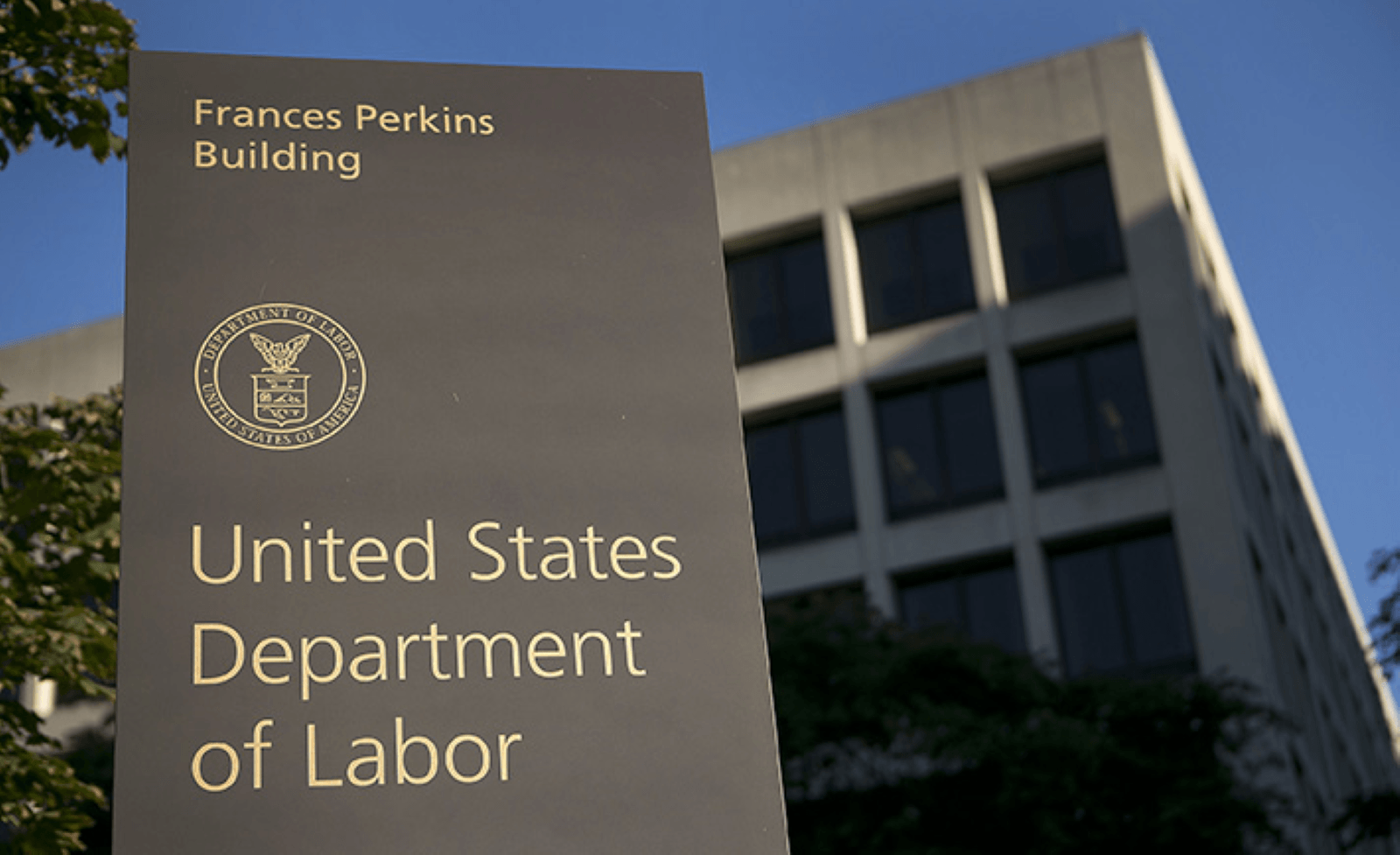
The U.S. Department of Labor is investigating Scale AI, a data labeling startup backed by major tech companies including Nvidia, Amazon, and Meta, for potential violations of the Fair Labor Standards Act. The investigation, which began nearly a year ago under the Biden administration, is focused on Scale AI’s compliance with fair pay practices and working conditions.

Scale AI, based in California, provides large volumes of accurately labeled data crucial for training AI tools such as OpenAI’s ChatGPT. The company also offers a platform for researchers to share AI-related information, with contributors from over 9,000 cities and towns.

A spokesperson for Scale AI emphasized that the company has worked closely with the Labor Department over the past year, explaining its business model and the emerging nature of the AI industry. The startup assured that feedback from its contributors has been largely positive, and it has dedicated teams to ensure fair compensation and support for workers. Nearly all payments to contributors are made on time, and the company resolves 90% of payment-related inquiries within three days.

Scale AI, which was founded in 2016, was valued at $14 billion in a recent funding round. Its client base includes AI firms like OpenAI and Cohere, as well as major corporations such as Microsoft and Morgan Stanley.

HPE Forecasts Below-Estimate Revenue Amid Tariff Impact and Cost-Cutting Measures

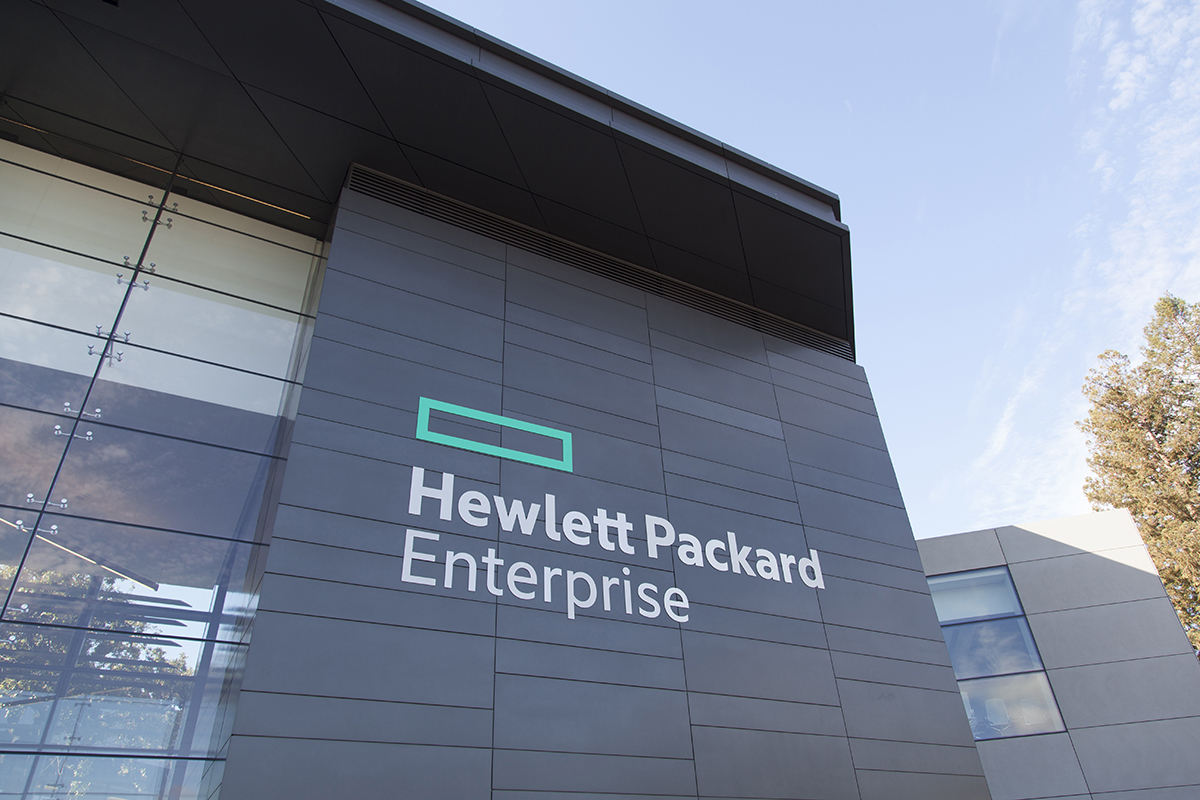
Hewlett Packard Enterprise (HPE) has projected quarterly revenue growth below analysts’ estimates, resulting in a nearly 20% drop in its shares in after-hours trading. The company attributed this forecast to the uncertainty created by the U.S. tariff war, which has affected its server business.

CEO Antonio Neri addressed the issue on a post-earnings call, explaining that HPE plans to adjust the prices of its products and leverage its global supply chain to mitigate the impact of both imposed and threatened tariffs. Neri added that the forecast reflects the company’s best estimate of the net effects of U.S. tariff policy.

U.S. President Donald Trump recently exempted certain goods from Canada and Mexico under a North American trade pact until April 2, temporarily easing some tariffs. However, Trump’s additional 10% duty on Chinese goods, which follows a 10% tariff imposed earlier in February, took effect this week, adding more pressure on companies like HPE.

Sales outside the U.S. account for nearly 64% of HPE’s net revenue in fiscal 2024, with key operations, including production and final assembly, based in Mexico and China. CFO Marie Myers stated that the company expects to mitigate much of the tariff impact during the second half of the year, although some effects may be felt in the second quarter as mitigation measures are gradually implemented.

HPE’s second-quarter revenue forecast falls between $7.2 billion and $7.6 billion, which is below the analysts’ expected $7.93 billion. The company’s profit forecast also missed expectations. In a bid to cut costs, HPE announced plans to lay off 5% of its global workforce, equating to approximately 2,500 jobs. These layoffs are part of a cost-saving program expected to generate about $350 million in savings by fiscal 2027. HPE had around 61,000 employees as of October 31.

Despite these challenges, the company reported first-quarter revenue of $7.85 billion, slightly surpassing analysts’ estimates of $7.82 billion. Server revenue grew by 29%, reaching $4.3 billion.