Chinese AI Firm iFlyTek Plans European Expansion Amid Rising US-China Trade Tensions

Chinese artificial intelligence company iFlyTek is eyeing expansion in Europe as tensions between the United States and China escalate. Vice President Vincent Zhan revealed the company’s strategy at the Mobile World Congress in Barcelona, acknowledging the impact of the ongoing U.S.-China trade war on its business.

Zhan pointed out that North America, the company’s largest market outside of China, has faced challenges due to the rising trade barriers. In light of new tariffs imposed by U.S. President Donald Trump, iFlyTek is seeking to diversify its supply chain and reduce dependency on the North American market.

The latest tariffs introduced by Trump target several Chinese electronics categories, including smartphones, laptops, and smart devices. Additionally, Biden’s administration had previously imposed tariffs on Chinese computer chips, further complicating the situation for Chinese tech firms.

Despite these challenges, iFlyTek is making significant strides in Europe, where it currently operates in France and Hungary. The company plans to expand its presence, with Zhan mentioning that a new office in Paris is expected either this year or next. The firm also aims to broaden its footprint in Europe, with potential plans to enter Spain and Italy in the coming year.

At the Mobile World Congress, iFlyTek launched a new tablet featuring advanced transcription capabilities, underscoring the importance of the European market for the company. Zhan also hinted at further European expansion, selecting new countries based on partnerships already established.

The company, which has a market capitalization of 123 billion Chinese yuan ($16.97 billion), faced significant hurdles in 2019 when it was added to a U.S. trade blacklist. This designation has restricted iFlyTek from purchasing essential components, such as Nvidia’s AI chips, from American suppliers without U.S. government approval. In response, iFlyTek has turned to alternative sources, including Huawei chips and AI models from rising star DeepSeek.

While the trade challenges persist, Zhan expressed confidence in the company’s ability to navigate the situation. He highlighted that many Chinese companies are now manufacturing their own AI chips, a development that has helped mitigate some of the impact from U.S. trade policies.
Rights Advocates Raise Concerns Over U.S. Plan to Use AI for Student Visa Revocation

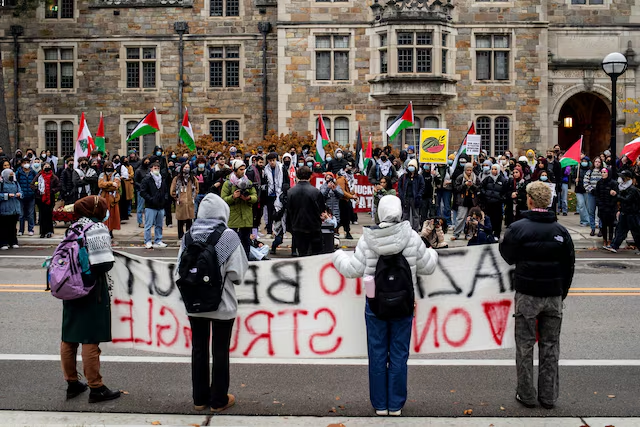
Rights advocates, including free speech groups, have expressed concerns after reports surfaced that the U.S. State Department plans to use artificial intelligence (AI) to revoke the visas of foreign students accused of supporting Palestinian Hamas militants. The initiative, dubbed “Catch and Revoke,” is set to involve AI-assisted reviews of social media accounts belonging to tens of thousands of student visa holders.

This move has raised alarm among groups like the Foundation for Individual Rights and Expression (FIRE) and pro-Palestinian organizations. They argue that AI cannot accurately assess the nuances of expressions related to the highly complex and long-standing Israeli-Palestinian conflict. They also warn that relying on AI for such sensitive matters could infringe on First Amendment rights to free speech and assembly.

According to reports, the State Department is reviewing news reports of anti-Israel demonstrations and lawsuits alleging antisemitism related to foreign nationals. Fox News additionally reported that the department had revoked the visa of a student involved in what it described as “Hamas-supporting disruptions.”

Sarah McLaughlin, a scholar at FIRE, emphasized that AI tools are incapable of grasping the subtleties of political expression concerning the Israeli-Palestinian conflict. The American-Arab Anti-Discrimination Committee called the reported plan an “alarming erosion of constitutionally protected free speech and privacy rights.”

While the State Department did not comment directly, Secretary of State Marco Rubio stated that the U.S. has “zero tolerance for foreign visitors who support terrorists,” reaffirming that violations of U.S. law, including by international students, could lead to visa denial, revocation, and deportation.

This initiative follows actions by the Trump administration, which has taken a hard stance on pro-Palestinian protests, including pledging to deport non-citizen students involved in such protests. Additionally, Trump has threatened to cut federal funding to educational institutions that allow what he deems illegal protests.

The broader context involves the U.S. designating Hamas as a “foreign terrorist organization,” following the group’s deadly October 2023 attack that killed over 1,200 people. Israel’s subsequent military actions in Gaza have led to significant casualties and displacement, further intensifying global debate.

TSMC CEO Highlights U.S. Investment Driven by Strong Customer Demand

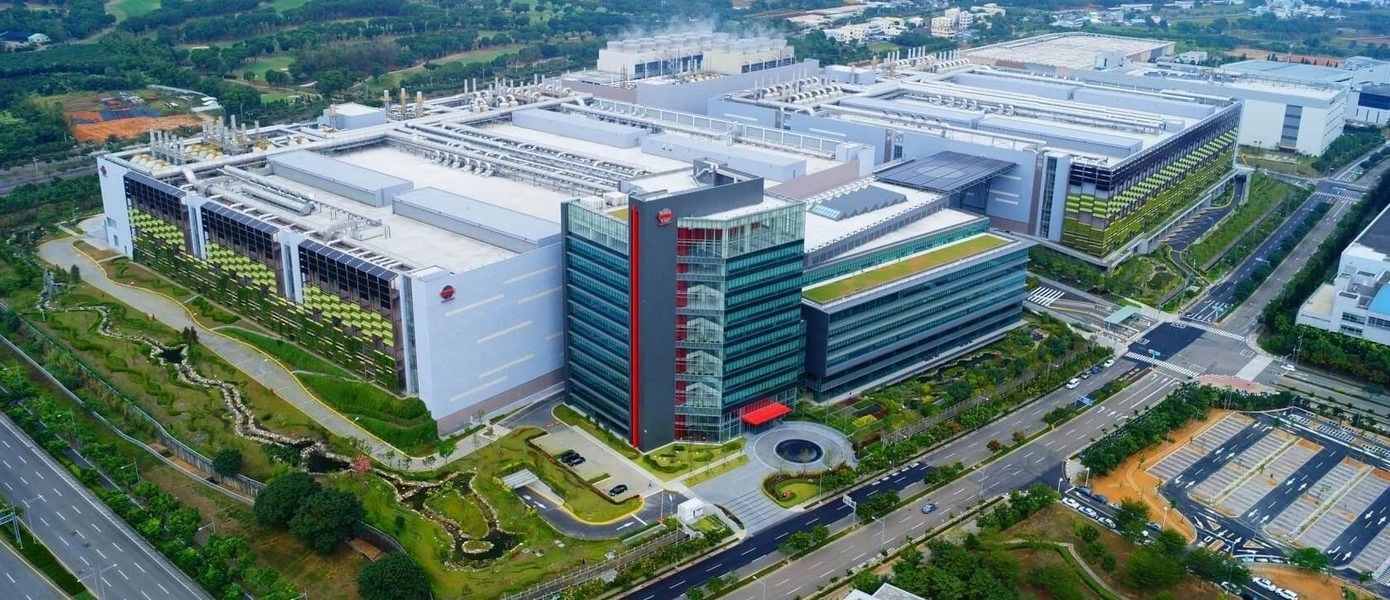
Taiwanese semiconductor giant TSMC (2330.TW) announced that its increased investment in the United States is primarily driven by strong customer demand, with production lines already fully booked for this year and the next two years. CEO C.C. Wei revealed the company’s expansion plans during a press conference at Taiwan’s presidential office on Thursday. Wei emphasized that TSMC’s $100 billion investment plan, unveiled this week, would not affect its ongoing expansion efforts in Taiwan, despite concerns that overseas investments might harm the island’s semiconductor industry.

TSMC, the world’s largest contract chipmaker, plans to construct five additional chip facilities abroad, including in the U.S., Japan, and Germany. This expansion comes in response to demands from major U.S. clients like Apple, Nvidia, and Qualcomm. While TSMC is planning three new production lines in the U.S. over the coming years, it is also set to build 11 new production lines in Taiwan this year, a sign that Taiwan remains crucial to the company’s global operations.

Wei’s comments follow ongoing pressure from former U.S. President Donald Trump, who has criticized Taiwan for taking U.S. semiconductor business and has advocated for bringing semiconductor manufacturing back to U.S. soil. Taiwan President Lai Ching-te assured that Taiwan has not faced external pressure from the U.S. during TSMC’s investment decisions and pledged government support for the company’s domestic expansion.

While Taiwan maintains its dominance in the global semiconductor industry, concerns about over-reliance on the island, particularly amid rising tensions with China, have prompted discussions about diversifying production sites. TSMC’s expansion into the U.S. is seen as a potential solution to address supply chain risks for American technology companies.

Despite these developments, Trump recently called for the repeal of the 2022 bipartisan law that provides $52.7 billion in U.S. subsidies for semiconductor manufacturing, suggesting the funds should instead be used to pay off national debt.