‘Gamestop Effect’ Drives Eutelsat’s 650% Surge Amid Retail Traders’ Frenzy

Shares of Franco-British satellite operator Eutelsat surged dramatically this week, with gains reaching nearly 650% over four days, as retail traders appeared to be behind the movement, reminiscent of the “Gamestop effect” seen in 2021. This sudden rally in Eutelsat’s stock follows speculation that the company could replace Elon Musk’s Starlink in providing internet access to war-torn Ukraine, reigniting investor interest in a stock that had previously hit record lows.

On Thursday, Eutelsat’s shares rose another 18%, pushing the company’s value to over €4 billion ($4.3 billion), although they eventually retreated by 11% in the face of heavy trading volumes. This followed a six-fold increase in the prior three sessions, marking a remarkable short squeeze, according to Bernstein analyst Aleksander Peterc. The move is seen as one of the most substantial short squeezes, driven by retail traders amplifying the effects of geopolitical tensions and speculations about the company’s future role in satellite communication for Ukraine.

The rally began after a public dispute between Ukrainian President Volodymyr Zelenskiy and U.S. President Donald Trump last Friday, which led to the suspension of military aid to Ukraine. The excitement around Eutelsat also gained momentum from intense discussions in French retail forums, particularly on Boursorama, and continued interest in platforms like Germany’s Tradegate. Eutelsat has become one of the most traded stocks on these platforms this week, surpassing even major defense stocks.

Stephane Ekolo, an equity strategist, pointed out that retail traders were likely behind the short squeeze, as hedge funds had shorted the stock, leading to heavy covering of positions. Despite this surge, analysts caution that the stock’s price reflects investor hope more than solid fundamentals. In January, Moody’s had downgraded Eutelsat’s rating, citing struggles with its OneWeb satellites and cash flow pressures due to significant investment needs.

Additionally, Eutelsat is reportedly in talks with the European Union about providing more internet access to Ukraine, potentially boosting its prospects further. The company is also discussing a deal with the Italian government for secure satellite communications. Despite this, Fitch downgraded the company’s long-term rating, citing its need for additional funding of $4.2 billion by 2032.

CoreWeave Denies Contract Cancellations with Microsoft

CoreWeave, the AI cloud startup preparing for an IPO, denied claims of contract cancellations with Microsoft on Thursday, following a Financial Times report suggesting that Microsoft had moved away from some agreements with the company.

A CoreWeave spokesperson emphasized in a statement to Reuters that there had been “no contract cancellations or walking away from commitments” and labeled the Financial Times’ claims as “false and misleading.” Despite the report, which cited sources indicating that Microsoft had withdrawn from some deals due to delivery issues and missed deadlines, it also noted that Microsoft continued to maintain some ongoing contracts with CoreWeave, highlighting the continued importance of their partnership.

Microsoft, however, declined to comment on the matter.

In 2024, Microsoft accounted for 62% of CoreWeave’s revenue, or approximately $1.2 billion, as per a company filing. CoreWeave had previously warned that any significant changes in its relationship with Microsoft could negatively impact its business, given the critical role the tech giant plays as a customer.

Founded in 2017 and backed by Nvidia, CoreWeave provides AI workloads and high-performance cloud infrastructure, competing with major cloud providers such as Microsoft’s Azure and Amazon’s AWS. The company has been preparing for an IPO, targeting a valuation of over $35 billion, with plans to raise more than $3 billion in the upcoming share sale.

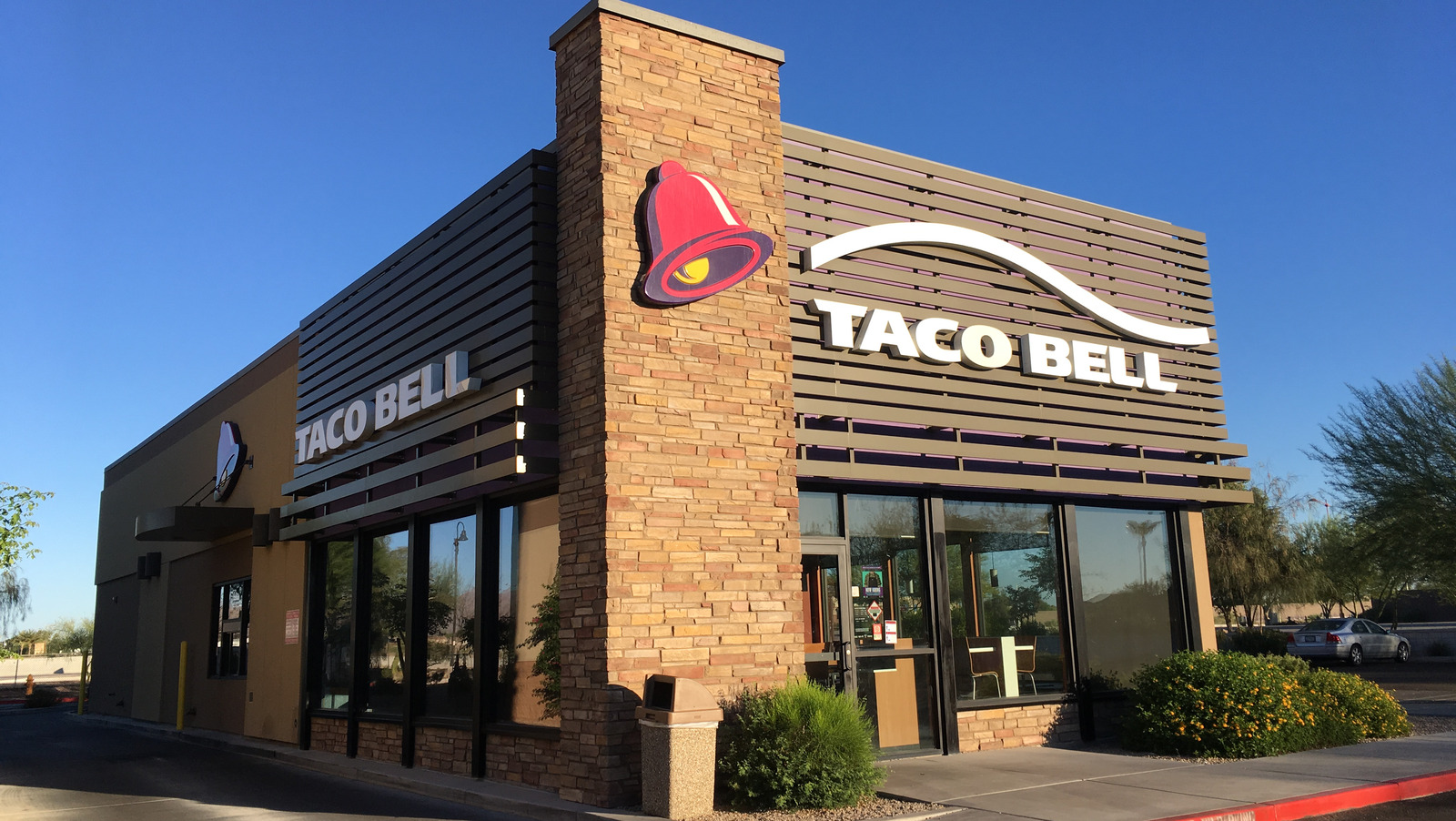
Yum’s Taco Bell Introduces AI Tool for Fast-Food Managers

Taco Bell, a brand under Yum Brands, has introduced a new artificial intelligence-powered tool designed for restaurant managers, marking the latest move by a fast-food giant to integrate labor-saving technology. The announcement was made at a Yum investor event in Brooklyn, New York, where Taco Bell executives revealed that the company has invested $1 billion into digital and technological advancements.

The AI tool, called Byte AI Restaurant Coach, is designed to assist restaurant managers with various tasks such as labor and inventory management. Taco Bell’s Chief Digital and Technology Officer, Dane Mathews, explained that AI is already being used in some locations for labor and inventory purposes.

During the event, Taco Bell Chief Operating Officer Jason Kidd demonstrated the potential of the AI assistant with a video skit showing a restaurant manager interacting with the AI character. The AI assistant, played by an actor, points out missing shifts and even offers to assist in the drive-through in case of employee absenteeism.

Currently, around 500 Taco Bell locations in the U.S. utilize AI-driven voice technology for taking drive-through orders, a significant increase from 100 locations just six months ago. While some analysts found the demonstration “cool yet slightly unsettling,” Taco Bell’s Chief Technology Officer, Joe Park, clarified that the purpose of AI integration is not to cut labor costs but to free up workers for other responsibilities.

The fast-food industry has been increasingly embracing technology to evolve a business model that largely remained unchanged for decades. Competitors such as Chipotle and McDonald’s have also made significant strides in AI integration, with McDonald’s even collaborating with Google Cloud to bring AI to its locations, though not without challenges.

Taco Bell’s tech, under the brand name Byte by Yum, is currently used in nearly 25,000 of Yum’s 61,000 restaurants globally. The company is optimistic about expanding its digital footprint, with the possibility of eventually licensing the technology to businesses outside the Yum ecosystem.

Despite some technical advancements, Mathews acknowledged that Taco Bell’s journey with AI is still in its early stages. Analysts have expressed excitement about the software, with some suggesting that Yum could one day sell these tools beyond its own restaurants.