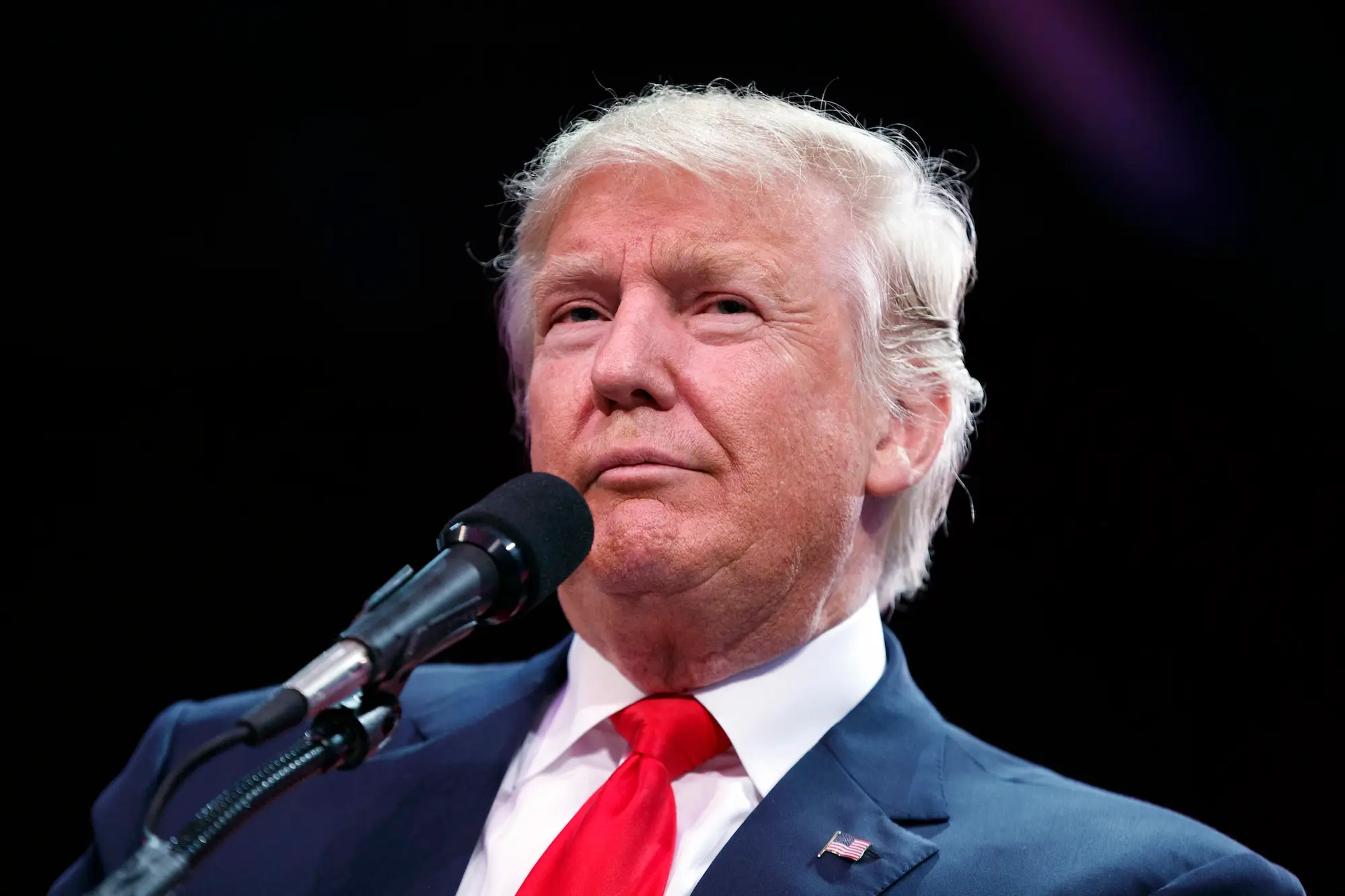
Brazil Delays Big Tech Tax Amid Trump Tariff Negotiations

Brazil has decided to delay a proposed tax on major tech firms, citing concerns that such a move could escalate tensions with the United States amid ongoing tariff negotiations under U.S. President Donald Trump’s administration. According to sources familiar with the matter, Brazil’s government will focus on advancing a separate bill to regulate competition among large digital platforms instead.

Government’s Shift in Focus

The proposal to tax U.S.-based tech giants like Amazon, Google, and Meta was initially set to be introduced in the second half of 2024, contingent on the country’s revenue projections. However, Brazilian officials have opted to shelve this plan for the time being, fearing it could worsen trade relations during sensitive talks on tariffs.

A Focus on Competition Over Taxation

Instead of focusing on taxation, the Brazilian government will now prioritize legislation designed to regulate competition within the digital marketplace. The bill, which went to public consultation in January 2024, aims to address issues like “killer acquisitions” and anti-competitive practices by tech firms, such as the manipulation of search results to favor their own services. This approach is seen as a less confrontational alternative that focuses on market fairness rather than taxation.

Concerns Over Timing and U.S. Tariffs

Sources revealed that the Brazilian government is cautious about the timing of any tax proposals, especially given the uncertainties surrounding Trump’s upcoming tariff actions. In a move that could complicate negotiations, introducing a tax targeting prominent U.S. companies could exacerbate tensions, particularly with Trump’s plan to sharply raise U.S. tariffs on April 2, 2025. The U.S. president has threatened to increase tariffs to match those of other countries, which could strain relations further.

On Monday, Trump indicated that not all of the proposed tariff increases would go into effect on April 2, with some countries potentially receiving exemptions. His remarks were seen as a sign of flexibility, calming market concerns that had been building due to the uncertainty surrounding the trade talks.

Brazil’s Broader Trade Negotiations

In addition to tariff talks, Brazil is pushing for an integrated negotiation process with Washington, particularly regarding sugar and ethanol exports. Brazilian Finance Minister Fernando Haddad emphasized that these talks would likely be lengthy, as Brazil aims to secure favorable terms on its key agricultural products while navigating the complexities of the broader trade relationship with the U.S.


Enterprise Browser Startup Island Valued at $4.8 Billion in Latest Funding Round

Island, a cybersecurity-focused enterprise browser startup, has reached a new valuation of $4.8 billion after securing $250 million in its Series E funding round. This marks a 60% increase in its value over the past year, reflecting the growing global demand for robust cybersecurity solutions as digital transformation accelerates.

Funding and Investors

The Series E round was led by Coatue Management, bringing the total funding for Island to $730 million. Notable venture capital firms, including Cyberstarts, Sequoia, Insight Partners, and Georgian, also participated in the round.

Island’s Co-founder and CEO, Mike Fey, shared that the company now has more than $530 million in cash, reinforcing its financial stability as it continues to expand its offerings in the cybersecurity space.

The Company’s Mission

Founded in 2022, Island is focused on providing businesses with a security-first browser designed to replace existing enterprise applications with a unified toolset. Its product aims to streamline security while enhancing the overall digital experience for organizations, helping mitigate risks from the growing number of online threats.

Rising Demand for Cybersecurity Solutions

With industries globally undergoing rapid digital transformation, the need for robust cybersecurity measures has never been more critical. Island’s rise comes amidst an increased focus on security protocols, especially following disruptions like last year’s global CrowdStrike outage. As companies are forced to adjust to new threats, many are bolstering their budgets for cybersecurity initiatives.

The cybersecurity sector has seen significant investment, with total funding to VC-backed cybersecurity startups reaching nearly $11.6 billion last year, a 43% increase from 2023, according to Crunchbase.

Island’s Client Base and Future Outlook

Island counts seven of the ten largest U.S. banks among its clients, further solidifying its role in the enterprise cybersecurity market. This recent funding round will allow Island to continue developing and refining its browser-based security solutions to meet the growing demand for enterprise-grade cybersecurity.

The company’s previous funding round in April 2024 valued Island at $3 billion, highlighting its impressive growth trajectory in a short period.

Leadership and Experience

Co-founders Mike Fey and Dan Amiga bring deep expertise to the company, having previously held executive roles at McAfee and Symantec Corp. Their leadership, combined with the significant backing from top investors, positions Island as a key player in the future of enterprise security.

Grab Seeks $2 Billion Loan for Potential GoTo Acquisition, Merger Talks Ongoing

Grab, the Singapore-based ride-hailing and food delivery giant, is reportedly in discussions to secure a loan of up to $2 billion to support its potential acquisition of Indonesia’s GoTo. The deal, which could be a bridge loan with a 12-month term, would help facilitate the merger between Grab and GoTo, two major players in the Southeast Asian market.

Loan and Funding Options

According to Bloomberg News, Grab’s loan negotiations are in the early stages, and the company is also exploring additional financing options, including bonds or equity financing, after securing the bridge loan. This move comes as Grab looks to strengthen its position in the region’s competitive ride-hailing and food delivery sectors.

GoTo’s Stance and Uncertainty

GoTo, the parent company of the Indonesian ride-hailing and food delivery platform Gojek, has declined to comment on the reports regarding the potential deal. While merger talks between Grab and GoTo have been ongoing, there has been no official agreement or announcement. Last week, GoTo clarified that it had not entered into any binding agreements concerning a potential transaction, despite media reports indicating that Grab was moving forward with the acquisition.

Competition Concerns

The proposed merger between Grab and GoTo has raised concerns among regulatory authorities, particularly regarding competition in the Southeast Asian market. Both companies are major players in the ride-hailing and food delivery space, and the combination of their services could lead to a dominant position in the market. The Singapore Competition and Consumer Commission (CCCS) has confirmed that it has not received any formal notification from Grab or GoTo regarding the potential merger.

Broader Implications for Southeast Asia’s Market

The potential acquisition of GoTo by Grab is seen as a significant move in the ongoing consolidation within Southeast Asia’s competitive ride-hailing and delivery market. Grab’s backing from Uber has made it a formidable competitor, and the merger with GoTo could further solidify its dominance. However, regulatory hurdles and competition concerns may continue to affect the progression of the deal.