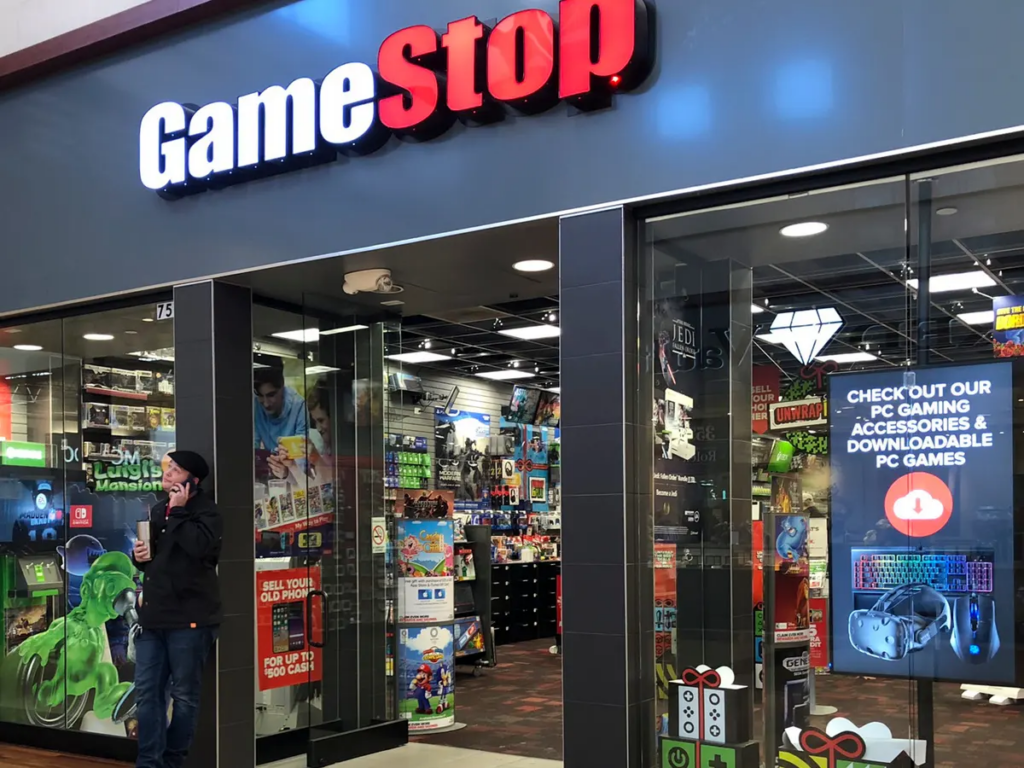
GameStop’s Crypto Pivot Boosts Shares of One-Time Retail Investor Favorite

GameStop’s decision to invest in bitcoin has sparked renewed interest in the company, leading to an 11.6% surge in its shares to $28.36. The move comes as GameStop’s core brick-and-mortar business faces challenges in attracting customers, but its crypto pivot has brought retail investors back to the stock, once a meme stock favorite.

GameStop’s Bitcoin Investment Strategy

GameStop revealed its new investment strategy on Tuesday, declaring that it would hoard bitcoin as part of its treasury reserve assets. This aligns with the strategy of other companies, such as exchange operator Strategy, which holds a substantial amount of bitcoin. The announcement coincided with increased attention on digital assets, particularly cryptocurrencies, fueled by U.S. President Donald Trump’s focus on the sector.

Despite the positive reaction from retail investors, GameStop’s announcement of a $1.3 billion offering of five-year convertible notes to fund the bitcoin purchase led to a 5.5% drop in its stock during after-hours trading.

Analysts Weigh in on Bitcoin’s Impact

Analysts are skeptical about the long-term impact of the bitcoin investment on GameStop’s share price. Wedbush’s Michael Pachter argued that while the move appeals to retail investors who want GameStop to invest in cryptocurrencies, it is unlikely to drive a substantial increase in the company’s stock value. He pointed out that while companies like Strategy have seen their stock value closely align with their bitcoin holdings, GameStop trades at a higher multiple relative to its cash reserves, which raises questions about the sustainability of this approach.

Despite the volatility of bitcoin, which has seen its price fall from a six-figure high earlier this year, GameStop’s decision to invest in digital assets could lead to increased market fluctuations, according to analysts like Daniela Hathorn from Capital.com.

The Bigger Picture

GameStop’s recent moves, including aggressive cost-cutting measures and store closures, helped the company more than double its net income in the last quarter, although sales dropped by about 30%. These efforts have provided some financial stability for the company, but it remains to be seen whether its pivot to digital currencies will provide sustained growth.
Starboard Revives Proxy Fight with CEO Smith’s Nomination to Autodesk Board

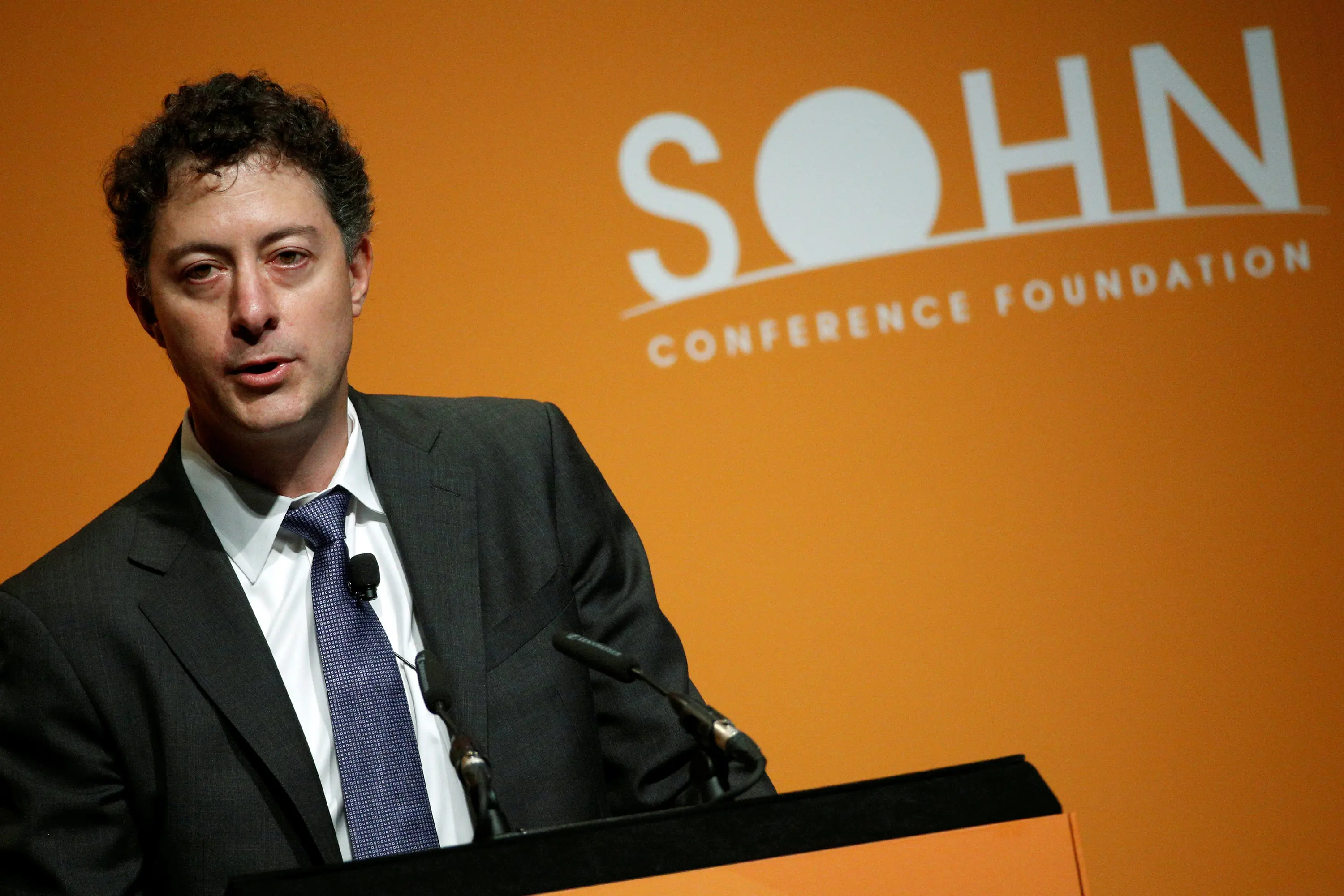
Starboard Value has renewed its proxy fight with Autodesk by nominating three director candidates, including its founder and CEO Jeff Smith, to the engineering and design software company’s board. The hedge fund, which holds a $500 million stake in Autodesk, aims to address concerns about the company’s margin growth and overall performance.

Nominations and Proxy Battle

In addition to Jeff Smith, Starboard has nominated Geoff Ribar, former CFO of Cadence Design Systems, and Christie Simons, a senior partner at Deloitte & Touche, to Autodesk’s 13-member board. Ribar also serves on the board of Acacia Research, a Starboard-backed company, while Simons recently joined Micron’s board.

The move comes nearly a year after a failed attempt by Starboard to push its own slate of director candidates. The hedge fund has criticized Autodesk for overspending compared to its software peers and for underperforming the market, pointing out that Autodesk’s shares have fallen over 7% this year, compared to a modest 1.8% drop in the S&P 500.

Autodesk’s Response and Future Plans

Autodesk has stated that its strategy is working and pointed to the addition of two independent board members in December 2024. The company expressed openness to meeting with Starboard’s nominees but raised concerns about the selection of candidates, questioning their alignment with Starboard’s opportunistic interests.

Starboard’s push for change is seen by some investors as a potential catalyst for increased cost management, enhanced accountability, and a greater focus on AI and cloud technologies, which could create value and improve Autodesk’s financial outlook.

Autodesk has already offered the hedge fund a chance to participate in the process that led to the appointment of the two new directors, including former Kraft Foods CEO John Cahill and Emerson’s COO Ram Krishnan.

Exxon to Invest $100 Million in Facility for Producing Cleaning Alcohol for Semiconductor Industry

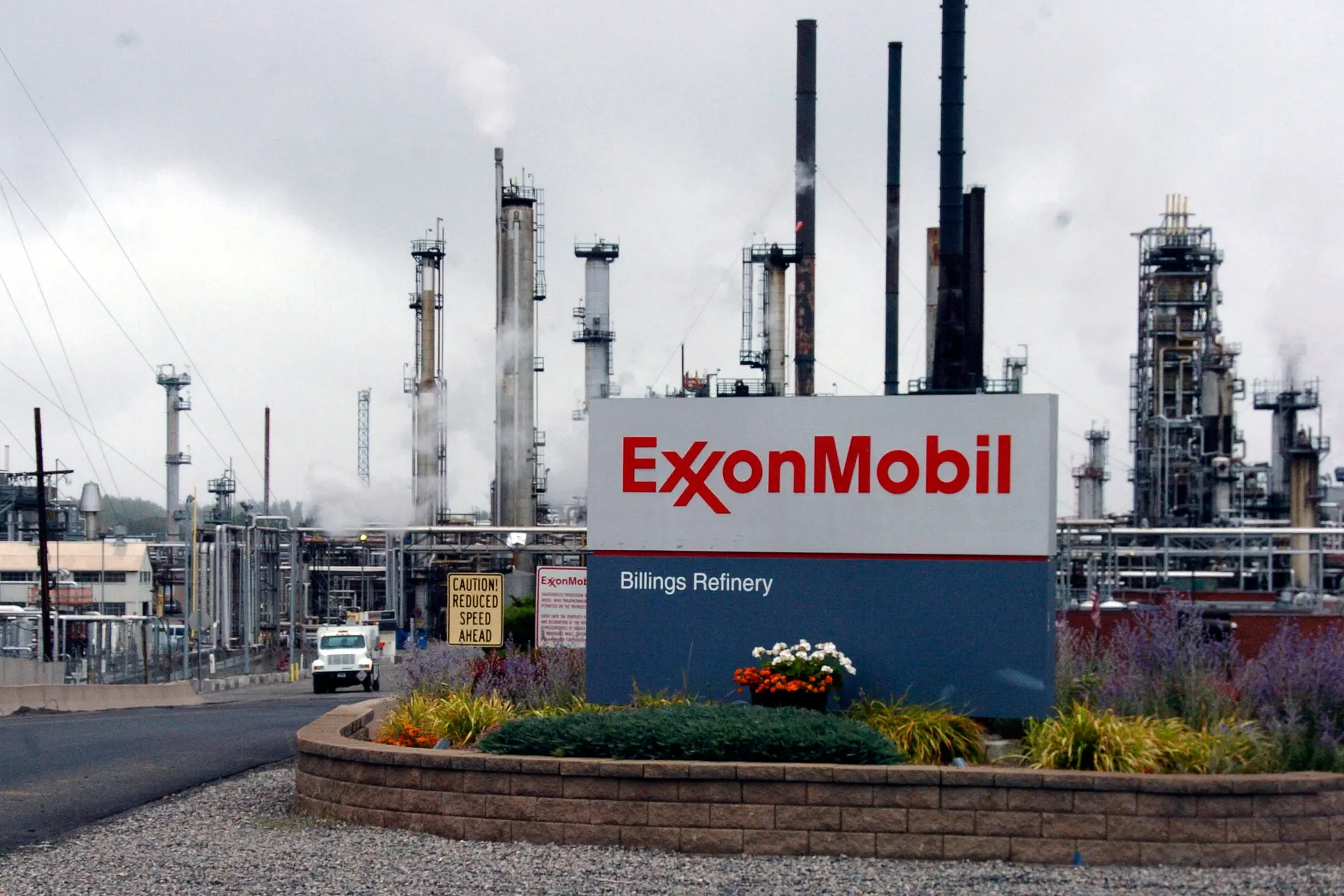
Exxon Mobil has announced plans to invest $100 million to upgrade its chemical plant in Baton Rouge, Louisiana, to produce high-purity isopropyl alcohol (IPA) used in the semiconductor industry. The upgrade, which is scheduled to be completed by 2027, will cater to the growing demand for highly pure IPA, a crucial substance in cleaning and processing microchips, particularly as the tech industry booms.

Strategic Move Amid Chip Industry Growth

The demand for this specialized alcohol is surging, driven by the rise of advanced artificial intelligence and the subsequent growth of the chip industry. Companies are ramping up the construction of data centers and developing in-house chips to train AI systems, further increasing the need for high-purity cleaning agents.

Exxon’s chemical plant upgrade will enable the company to produce IPA at scale, supporting the construction of semiconductor fabrication plants (fabs) across the U.S. “It will create production at scale and allow us to support the fabs that are under construction in the U.S.,” said Frederik Donkers, Exxon’s vice president of intermediates.

Focus on U.S. Market

The production of highly pure IPA will primarily serve U.S.-based customers, as the longer shipping distances associated with international exports could compromise the purity of the product. Although Exxon did not disclose any new customer agreements for the IPA supply, the move addresses a gap in the domestic supply chain, as U.S. companies have historically relied on imports from Taiwan and Japan for this high-quality cleaning alcohol.