OnePlus Watch 3 Launches with 1.5″ LTPO Display, Wear OS 5

OnePlus Watch 3 Debuts with Enhanced Display, Wear OS 5

OnePlus has officially launched the OnePlus Watch 3, the latest addition to its smartwatch lineup. Building on the foundation of its predecessor, the OnePlus Watch 2, this new wearable features a 1.5-inch LTPO AMOLED display with always-on support and a peak brightness of 2,200 nits. The watch boasts a durable design with titanium alloy bezels and a sapphire crystal glass cover. One of its standout features is the ability to conduct a quick health check-in within 60 seconds. Additionally, OnePlus claims the Watch 3 can provide up to five days of battery life on a single charge.

Pricing and Availability

In the U.S., the OnePlus Watch 3 is priced at $329 (approximately Rs. 29,000). Early buyers can take advantage of a $30 discount coupon, and an additional $50 trade-in offer is available for those exchanging an older smartwatch. The watch is currently open for pre-orders, with shipments set to begin on February 25.

Performance and Durability

Powered by the Snapdragon W5 processor and a BES2800BP MCU, the OnePlus Watch 3 runs on Wear OS 5 alongside a Real-Time Operating System (RTOS) for better battery efficiency. The device is MIL-STD-810H certified for durability and carries an IP68 rating, making it resistant to dust and water up to a depth of 5 ATM. It also includes 32GB of onboard storage, allowing users to store apps and media directly on the watch.

Health and Fitness Tracking

The OnePlus Watch 3 is packed with advanced health-tracking features, including an optical heart rate sensor, a wrist temperature sensor, and a pulse oximeter. It supports comprehensive monitoring of blood oxygen levels, sleep patterns, vascular health, and overall well-being. Users can sync their data with Google Health Connect, Strava, and the OHealth app for deeper insights. With over 100 sports modes, including 10 professional modes, the watch caters to both casual and serious athletes.
Nothing Phone 3a Series Set to Feature 50-Megapixel Triple Rear Cameras

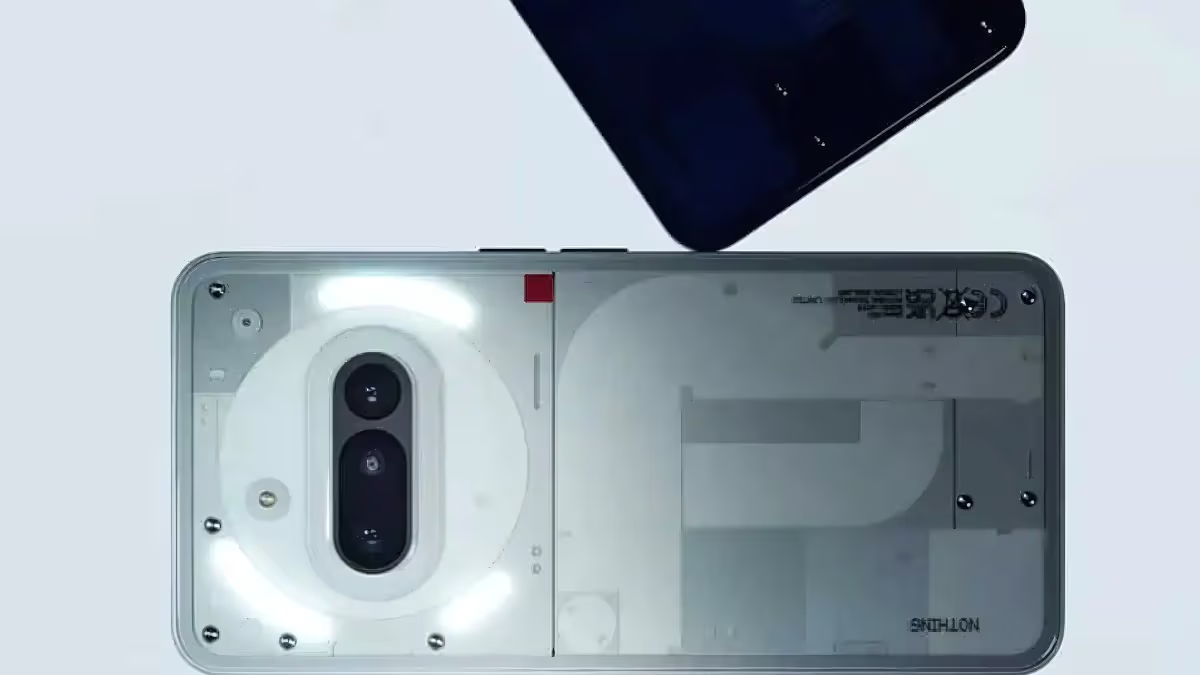
The highly anticipated Nothing Phone 3a series is set to launch globally on March 4, and ahead of its release, the British OEM has revealed some key details about the camera system, particularly for the Pro model in the lineup. The phone will feature a cutting-edge 50-megapixel triple rear camera setup, a notable upgrade for the brand. In addition to the impressive camera specs, the arrangement of the cameras has been teased in promotional videos, showcasing a design that diverges from conventional smartphone layouts.

The Nothing Phone 3a’s camera specifications were highlighted in a recent video shared on the company’s YouTube channel, where it was compared against the powerful iPhone 16 Pro Max. The triple rear camera module consists of a 50-megapixel primary camera with “shake-free” stabilization thanks to optical image stabilization (OIS). It also includes a 50-megapixel periscope Sony sensor, featuring OIS, and an 8-megapixel ultra-wide-angle camera with a Sony sensor. The front camera is also a standout, offering a 50-megapixel sensor designed for high-quality selfies and video calls. Additionally, the company has touted the Phone 3a’s primary camera as having the largest “full well capacity” in its class, which refers to its ability to capture light without losing detail, even in challenging lighting conditions.

One of the most exciting features of the Phone 3a series’ camera system is its 50-megapixel periscope sensor, which offers a variety of zoom capabilities. The periscope camera supports 3x optical zoom, 6x lossless zoom, and an incredible 60x “ultra” zoom. This feature allows users to capture distant subjects with remarkable clarity, a significant advantage for mobile photography enthusiasts. Furthermore, the sensor offers up to 6x magnification for macro shots, eliminating the need for external lenses for close-up photography, making it a convenient tool for everyday users and creatives alike.

With these powerful camera features, the Nothing Phone 3a series is positioning itself as a strong contender in the competitive smartphone market. The combination of high-resolution sensors, advanced zoom capabilities, and the promise of superior light capture is expected to make the phone a favorite among users looking for excellent photography performance. As the launch date approaches, tech enthusiasts are eager to see how the new model stacks up against competitors in the high-end smartphone category.

Solar Sail Satellites May Revolutionize Space Weather Forecasting and Early Alerts

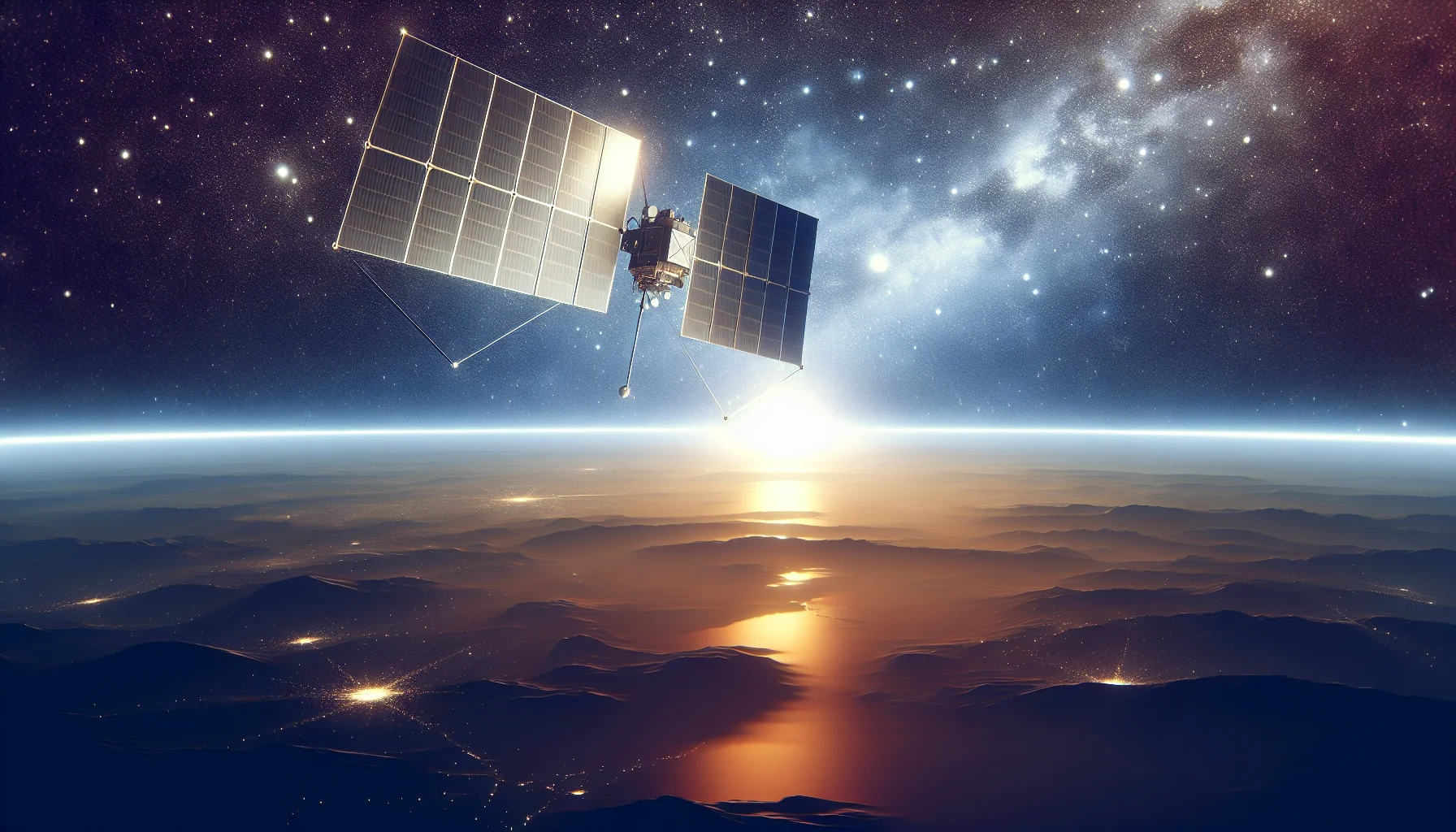
Satellites equipped with solar sails could significantly improve space weather forecasting, offering early warnings for events like geomagnetic storms that can damage critical infrastructure on Earth. Solar sails, which use sunlight for propulsion, are being explored as a more cost-effective and efficient alternative to traditional propulsion systems. Researchers believe that these sails could enhance the monitoring of solar activity, providing quicker and more accurate alerts for space weather events that affect power grids, satellite operations, GPS systems, and even air traffic. Unlike current space weather forecasting systems, which rely on fixed observation points, solar sail technology could offer more flexible positioning for improved data collection.

The potential for solar sail-equipped satellites to revolutionize space weather forecasting lies in their ability to travel beyond traditional locations in space. As reported by Space.com, solar sails could allow spacecraft to venture past the Earth-sun Lagrange Point One (L1), a stable region approximately 1.5 million kilometers from Earth where most solar observation satellites are currently stationed. The National Oceanic and Atmospheric Administration’s (NOAA) Office of Space Weather Observations, which manages these satellite systems, recognizes the advantages of solar sail technology in expanding the range and flexibility of space weather monitoring.

Irfan Azeem, Division Chief at NOAA’s Research to Operations and Project Planning Division, highlighted the key benefit of solar sails in improving space weather forecasts. Solar sails can enable satellites to travel upstream of L1, allowing them to gather data more efficiently than traditional chemical propulsion systems. This improvement in satellite movement would result in faster retrieval of data and the potential to increase the lead time for geomagnetic storm alerts by up to 50 percent, giving industries and agencies more time to prepare for potential disruptions.

As space weather events become an increasing concern due to their potential impact on modern technology, the development of solar sail technology for satellites represents a significant leap forward in our ability to predict and respond to these phenomena. By providing more precise and timely alerts, solar sail-powered satellites could help mitigate risks and safeguard Earth’s technological infrastructure from the damaging effects of space weather.