NASA Astronauts Sunita Williams and Butch Wilmore Address ‘Stranded’ Rumors, Confirm March Return

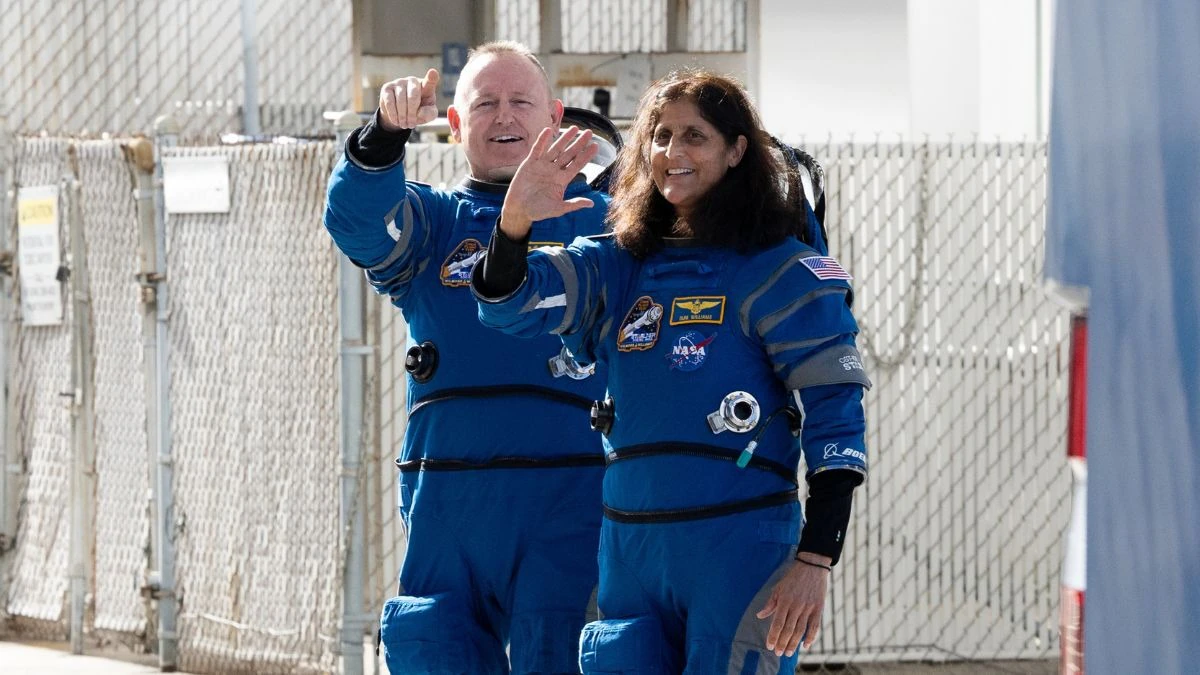
NASA astronauts Sunita Williams and Butch Wilmore have dismissed concerns about being “stranded” aboard the International Space Station (ISS) after their mission, initially planned for ten days, was extended due to technical issues with Boeing’s Starliner spacecraft. The two astronauts, who arrived at the ISS in June 2024, will now return to Earth aboard SpaceX’s Crew-9 mission in March 2025. Despite speculation, both have assured the public that they remain safe, engaged in their duties, and do not feel abandoned in orbit.

The decision to extend their stay was made after Starliner experienced thruster malfunctions during its docking procedures. As reported by Space.com, NASA engineers have been conducting thorough analyses to resolve these technical issues before Starliner can be certified for future missions. Meanwhile, Williams and Wilmore’s return was integrated into the ISS’s routine crew rotation, allowing them to travel back aboard Crew-9’s Dragon capsule. This schedule adjustment aligns their mission with the typical six-month stay of astronauts on the station.

Addressing the “stranded” narrative, Wilmore stated in an interview with CNN that their extended stay was a planned adjustment rather than an emergency. He emphasized that all astronauts aboard the ISS have immediate return options in the event of an emergency, ensuring their safety at all times. Williams echoed his sentiments, highlighting that their additional time in space has allowed them to contribute further to scientific experiments and station operations, making the most of their extended mission.

This situation underscores the complexities of human spaceflight and the importance of flexibility in mission planning. NASA and Boeing continue working on Starliner’s technical improvements to ensure its readiness for future flights, while SpaceX’s Crew Dragon remains a reliable transport option. The experience gained from this extended mission will contribute to refining crewed spaceflight strategies as NASA advances its long-term goals, including lunar and deep-space exploration under the Artemis program.
Blue Ghost Lunar Lander Poised for Landmark Moon Touchdown in 2025

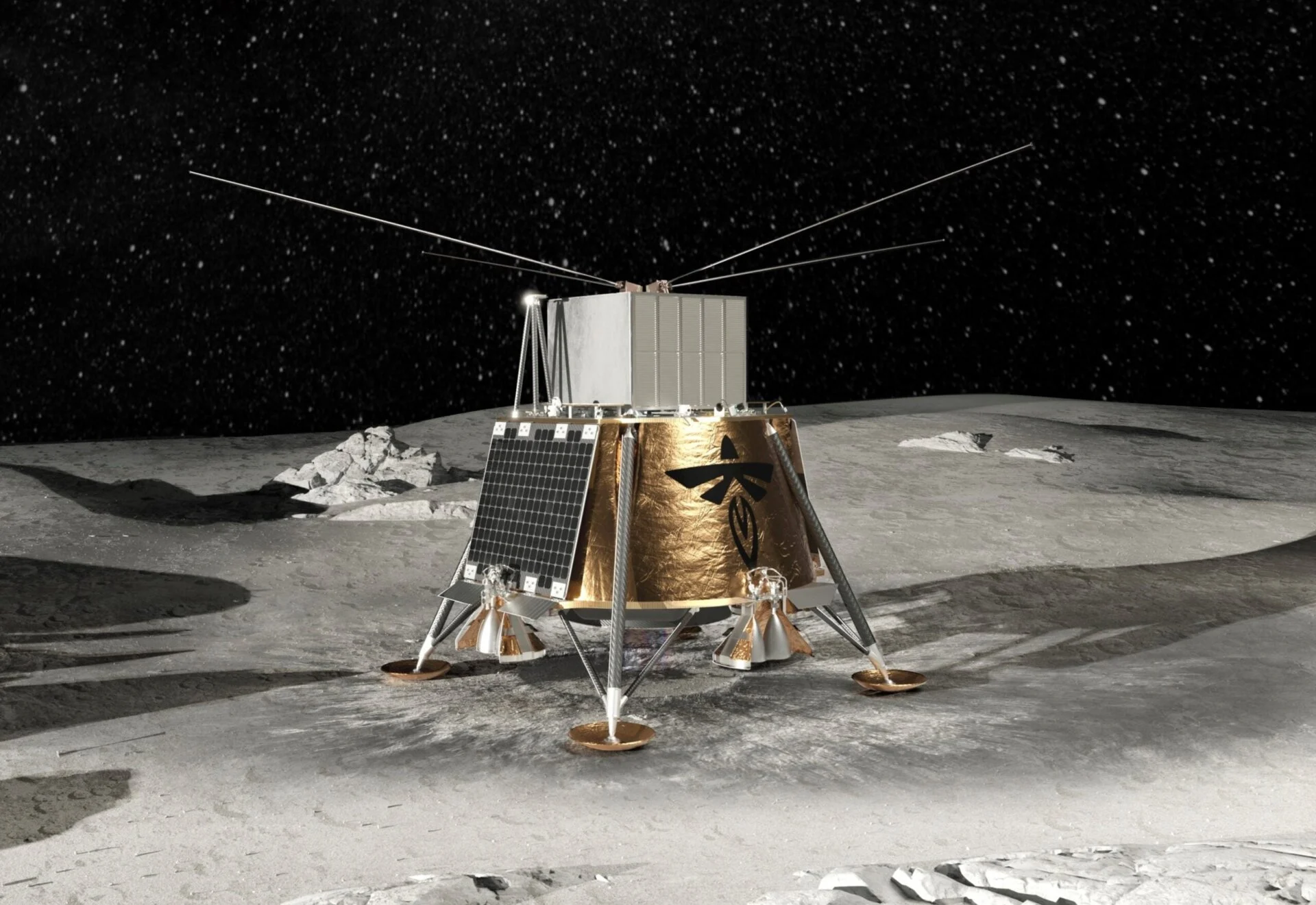
Firefly Aerospace’s Blue Ghost lunar lander is set to make history with its anticipated descent onto the Moon’s surface on March 2, 2025. Scheduled to land no earlier than 3:45 a.m. EST, the spacecraft is targeting Mare Crisium, a vast lunar basin located in the northeastern region of the Moon’s near side. This mission is a critical part of NASA’s Commercial Lunar Payload Services (CLPS) initiative, which supports the Artemis program by delivering scientific instruments and technology demonstrations to the Moon. The data collected will provide valuable insights into the lunar environment and help pave the way for future human exploration.

NASA has announced extensive live coverage of the landing, which will begin at 2:30 a.m. EST on NASA+ and Firefly Aerospace’s YouTube channel. Throughout the descent sequence, real-time updates will be available via NASA’s blog and social media platforms. Accredited media members have been invited to an exclusive viewing event in Austin, Texas, with applications open until February 24. Following the landing, NASA and Firefly Aerospace will hold a joint press briefing to discuss the mission’s results and operational performance.

The Blue Ghost lander was launched on January 15, 2025, at 1:11 a.m. EST aboard a SpaceX Falcon 9 rocket from Kennedy Space Center in Florida. The spacecraft is carrying ten NASA-backed payloads designed to study the lunar surface and test new technologies essential for future crewed missions. These instruments will analyze lunar dust, radiation levels, and thermal properties, helping scientists refine strategies for long-duration space travel and astronaut safety on the Moon and Mars.

This mission represents a significant milestone in NASA’s broader lunar exploration strategy. By leveraging commercial partnerships like Firefly Aerospace, NASA aims to establish a sustainable presence on the Moon and prepare for the next era of deep space exploration. The success of Blue Ghost could lay the groundwork for future lunar landers and play a vital role in shaping the Artemis program’s long-term objectives.

Supercomputer Frontier Models the Universe with Unprecedented Detail

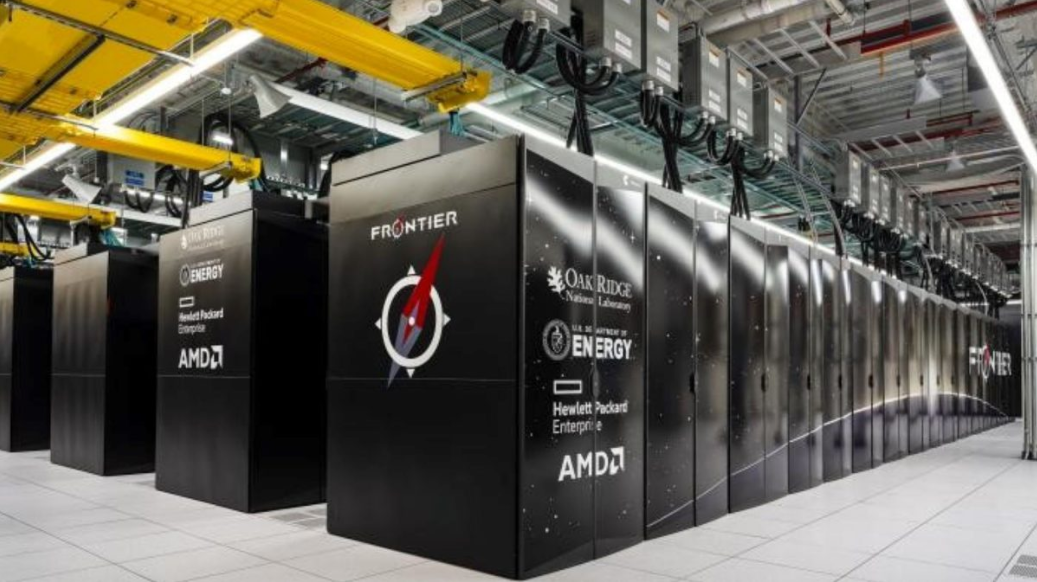
A groundbreaking cosmic simulation has been achieved using the Frontier supercomputer, one of the most advanced computing systems in the world. This simulation offers an unprecedented level of detail in modeling the observable universe, incorporating not only gravitational forces but also complex interactions involving dark matter, gas, and plasma. The ability to simulate such intricate cosmic phenomena represents a major leap forward in our understanding of the universe’s large-scale structures and evolutionary processes.

The simulation was conducted as part of the U.S. Department of Energy’s Exascale Computing Project, which aims to push the boundaries of computational science. Using the Hardware/Hybrid Accelerated Cosmology Code (HACC), the research team at Oak Ridge National Laboratory (ORNL) leveraged Frontier’s immense processing power to run calculations at speeds nearly 300 times faster than previous cosmological models. This breakthrough showcases the potential of exascale computing in tackling some of the most complex problems in astrophysics.

A key component of this research was the application of hydrodynamic cosmology, which integrates dark matter and energy with traditional gravitational interactions. Previous simulations primarily focused on gravity’s role in shaping the cosmos, but the new model provides a more holistic view by incorporating additional physical factors. To achieve this, the researchers utilized 9,000 computing nodes, each equipped with AMD Instinct MI250X graphics processors, allowing for higher-resolution simulations than ever before.

The success of this simulation underscores the transformative impact of supercomputing on scientific discovery. By replicating the universe’s intricate processes with unparalleled accuracy, researchers can refine existing theories of cosmic evolution and gain deeper insights into fundamental astrophysical questions. As computational power continues to advance, future simulations may unlock even more mysteries about the formation and behavior of the universe on the grandest scales.