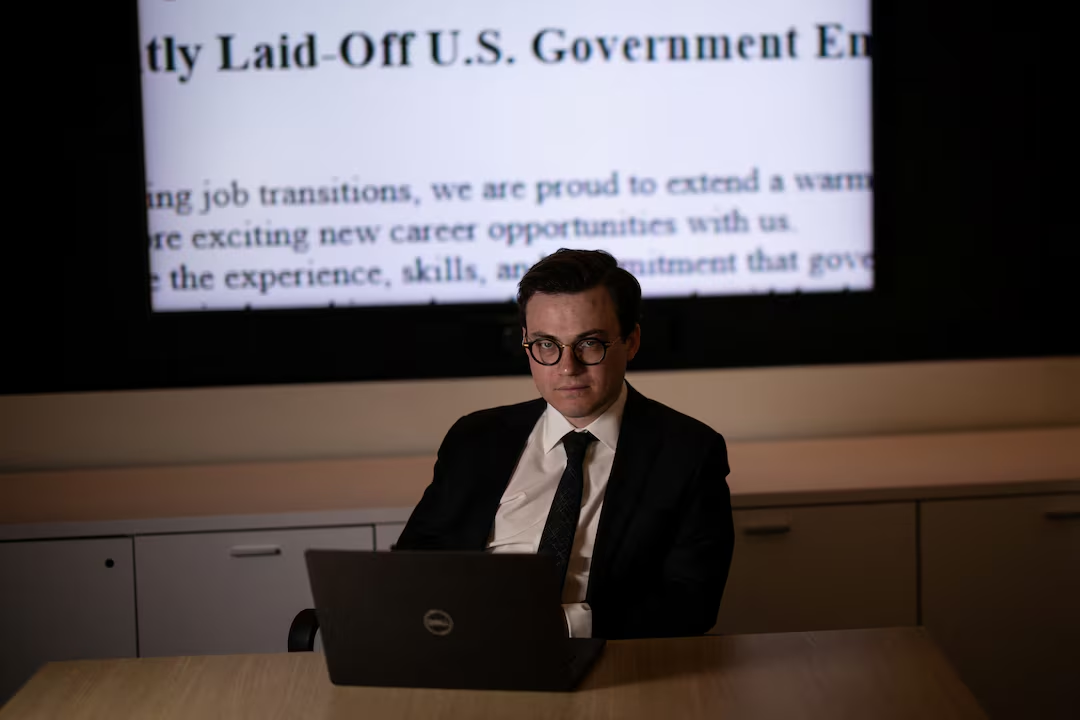
Secretive Chinese Network Targets Laid-Off U.S. Government Workers, Research Shows

A network of companies allegedly operated by a Chinese tech firm has been targeting recently laid-off U.S. government employees, attempting to recruit them through job ads and fake consulting offers, according to research by Max Lesser, a senior analyst with the Foundation for Defense of Democracies. The campaign, which follows established tactics used in previous Chinese intelligence operations, raises concerns about espionage efforts aimed at exploiting vulnerable former federal workers.

Recruitment Efforts and Network Connections

Lesser’s research uncovered a network of four companies, which are said to be involved in a broader operation targeting ex-government workers and AI researchers. These companies, which have posted job listings on platforms such as Craigslist and LinkedIn, appear to be linked through overlapping websites, shared servers, and other digital connections. The four companies are also hosted on the same IP address as Smiao Intelligence, an internet services firm whose website went offline during the investigation.

Despite the efforts to track down these companies, Reuters faced numerous challenges, including dead-end phone calls, fake addresses, and deleted job listings. Lesser believes that the operation is designed to exploit the financial vulnerabilities of individuals affected by recent layoffs, including those initiated by the Department of Government Efficiency under President Donald Trump and tech tycoon Elon Musk.

The Potential for Espionage

Though it remains unclear whether the companies are directly linked to the Chinese government, analysts suggest that the network could serve as a vehicle for foreign-linked entities to gather sensitive information from former federal employees. Once recruited, these individuals could be asked to provide government-related intelligence or help expand the network by recruiting others.

The campaign’s focus on former government workers follows a pattern seen in previous espionage activities by both China and Russia, who have long targeted disgruntled or financially vulnerable U.S. employees to gain access to sensitive information. The FBI has warned that Chinese intelligence operatives have previously posed as academic institutions and recruitment firms to lure U.S. government employees into working as unwitting spies.

RiverMerge Strategies and Wavemax Innovation

One of the companies in the network, RiverMerge Strategies, described itself as a “geopolitical risk consulting” firm and posted job listings for positions such as “Geopolitical Consulting Advisor” and human resources specialists. Despite receiving over 200 applications for one of these roles, the company’s contact details were suspiciously linked to a Chinese phone number, and its physical addresses led to vacant or unrelated locations.

Another company, Wavemax Innovation, placed ads targeting laid-off government workers for positions in project management, research, and policy analysis. Similar to RiverMerge, Wavemax’s listed Singapore address led to a vacant field, raising further questions about its legitimacy.

Government Response and International Implications

In response to the investigation, a spokesperson for the Chinese Embassy denied any knowledge of the companies or their operations, emphasizing China’s commitment to respecting data privacy and security. Meanwhile, a White House spokesperson condemned such activities, underscoring the need for both current and former government employees to remain vigilant against foreign intelligence threats.

The FBI’s warnings and the tactics used in this case mirror earlier incidents, such as the 2020 conviction of Singaporean national Jun Wei Yeo, who worked as an agent of the Chinese government by luring U.S. government employees into espionage under the guise of consulting work.

Conclusion

This revelation highlights a growing trend of foreign intelligence services leveraging job recruitment scams to gain access to U.S. government insiders. As more employees are laid off due to restructuring or policy changes, they may become vulnerable to exploitation by foreign entities seeking to acquire sensitive information. The U.S. government has increasingly recognized the risks posed by such activities, urging employees to remain cautious about unsolicited job offers.
GameStop Doubles Down on Bitcoin as a Treasury Reserve Asset and Plans More Store Closures

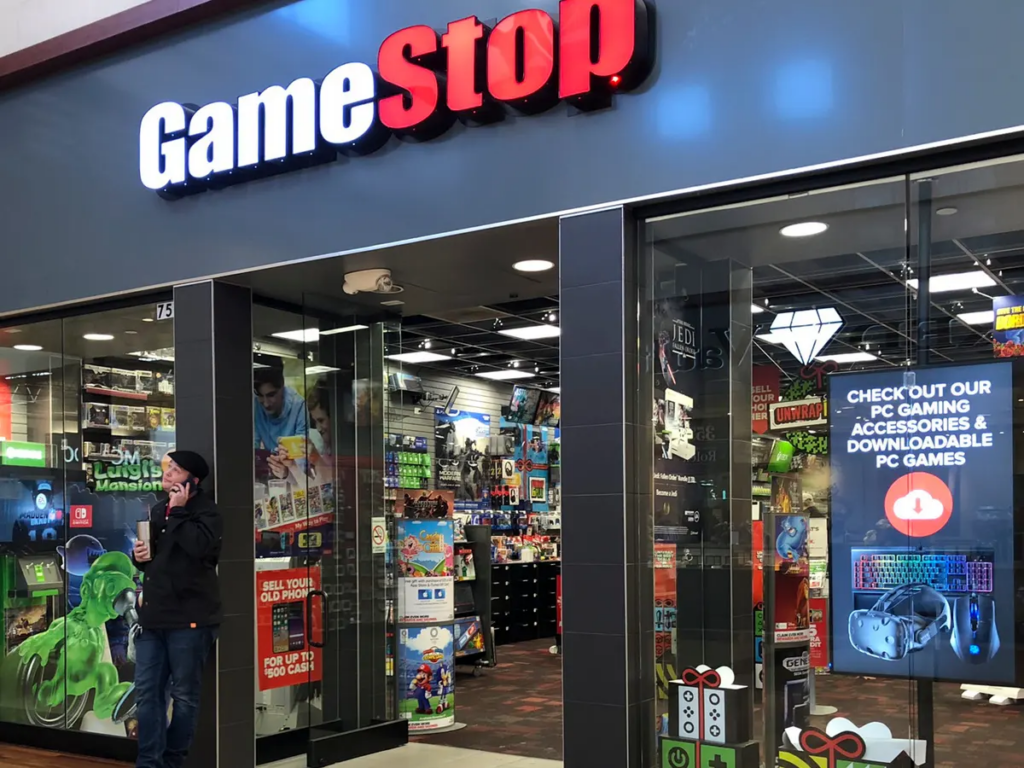
GameStop (GME.N) announced on Tuesday that its board has approved the addition of bitcoin as a treasury reserve asset, a move that mirrors the strategy of corporate bitcoin giant MicroStrategy (MSTR.O). The decision highlights GameStop’s shift toward embracing cryptocurrency as a core component of its business operations.

GameStop’s Strategic Shift Toward Bitcoin

The move to add bitcoin to its treasury comes shortly after a similar rebranding by MicroStrategy, which removed “Micro” from its name in February to emphasize its focus on the cryptocurrency. MicroStrategy, known for being the largest corporate holder of bitcoin, has integrated the cryptocurrency into the heart of its operations.

GameStop has stated that it will use a portion of its cash, future debt, or equity issuances to invest in bitcoin, though it did not specify the maximum amount it plans to acquire. This strategic shift follows a broader push to diversify the company’s financial strategies in the face of continued challenges in its core retail business.

Performance and Challenges in Retail Business

Despite the addition of bitcoin to its reserves, GameStop continues to face difficulties in its primary business of retailing videogame hardware and merchandise. The company reported a significant rise in fourth-quarter profit, which more than doubled to $131.3 million from $63.1 million the previous year, largely due to cost-cutting efforts. GameStop also posted quarterly revenue of $1.28 billion, down from $1.79 billion in the same period last year.

The company, which became a focal point during the “meme stock” trading craze, has struggled with the shift toward digital downloads, game streaming, and e-commerce, contributing to a decline in physical retail sales.

Future Outlook and Store Closures

In response to these challenges, GameStop has aggressively reduced its retail footprint, closing 590 stores in the U.S. in fiscal 2024. The company expects to close a “significant number” of additional stores in fiscal 2025 as part of its ongoing efforts to streamline operations and adapt to the changing gaming landscape.

Broader Cryptocurrency Adoption and Strategic Moves

GameStop’s decision to invest in bitcoin aligns with broader trends of increasing institutional adoption of cryptocurrencies. This move follows U.S. President Donald Trump’s recent executive order to establish a strategic reserve of cryptocurrencies, further reflecting growing interest in digital assets.

Apple Set to Avoid EU Fine Over Browser Options on iPhones

Apple is expected to avoid a possible fine and an order from the European Union regarding its browser options on iPhones, following changes made to comply with the EU’s landmark Digital Markets Act (DMA), according to sources familiar with the matter. The European Commission, which launched an investigation in March 2024, is anticipated to conclude its probe early next week.

EU Investigation and Browser Design Concerns

The European Commission had raised concerns over Apple’s design of the web browser screen on iPhones, specifically questioning whether it hindered users from switching to alternative browsers or search engines. The investigation, part of the broader effort to regulate Big Tech, has focused on how Apple’s design practices might impact competition in the digital market.

Closing of Investigation and Regulatory Action

Sources indicate that the European Commission is set to close the investigation soon, with no penalties expected for Apple. This follows the company’s recent changes aimed at addressing the concerns raised under the DMA, a regulation designed to ensure fair competition in the digital market. The DMA aims to make it easier for consumers to switch between competing online services, such as browsers and app stores, while also allowing smaller rivals to have a fairer chance to compete.

Context of EU Regulations

The DMA outlines strict guidelines for Big Tech companies, with fines reaching as much as 10% of a company’s global annual sales for violations. In addition to this case, the European Commission is expected to announce fines for Apple and Meta Platforms in other separate cases involving violations of the DMA. Apple faces scrutiny over restrictions that prevent app developers from informing users about offers outside its App Store for free. Meanwhile, Meta’s case concerns its paid subscription service, which critics argue should offer free alternatives.

Broader Impact on Big Tech

This development comes amid ongoing tensions between the EU and the U.S., especially with U.S. President Donald Trump threatening tariffs against countries that impose fines on American companies. The European Commission has declined to comment on these investigations.