
Apple Announces Dates for 2024 Worldwide Developers Conference

Apple has confirmed that its highly anticipated Worldwide Developers Conference (WWDC) will take place from June 9 to June 13, 2024. The event will be accessible online, where the company will showcase updates to the software powering its ecosystem of devices, including iPhones, iPads, and more.

In-Person and Online Access

While the event will be available to the broader public online, Apple has announced that a select group of developers and students will be invited to attend in person at Apple Park on the opening day, adding an exclusive element to the event.

Focus on Product Enhancements

Investors and tech enthusiasts alike will be closely watching the conference, as Apple typically unveils key product enhancements and new software capabilities. These announcements are seen as critical for attracting new customers and maintaining its competitive edge in the market.

Competitive Landscape

With competitors like Samsung and Xiaomi adding AI features to their smartphones and focusing on affordable devices, Apple’s innovations at WWDC are expected to address similar challenges. Last year, Apple introduced several AI-enabled features, including the ability to rewrite emails and summarize cluttered inboxes, which were seen as key steps in advancing its software capabilities.

Delays in Siri AI Features

However, some of the anticipated improvements for Apple’s voice assistant, Siri, will be delayed until 2026. Apple had originally planned to release these AI enhancements in 2025 but has not provided specific details on the reasons for the delay.

Looking Ahead

Apple has indicated that additional information about the conference will be shared through the Apple Developer app and the WWDC25 website, generating excitement for new software releases and features that will shape the future of its devices.

Aurora Plans to Tackle Harsh Weather with Self-Driving Trucks Ahead of Commercial Launch

Aurora Innovation has announced plans to enable its self-driving trucks to operate in inclement weather conditions as part of its preparations for launching commercial trips in Texas, New Mexico, and Arizona in 2025. The autonomous trucks are set to begin operations on public roads, marking a significant milestone in Aurora’s path to becoming a leader in autonomous freight transportation.

Expansion of Operational Design Domain (ODD)

Aurora intends to expand the Operational Design Domain (ODD) for its autonomous trucks to include harsher weather conditions. The ODD defines the specific conditions under which a vehicle is designed to operate safely, taking into account factors like geography, weather, and traffic patterns. The trucks will be able to operate in suburban and urban environments, dense traffic, highway construction zones with cones and barriers, as well as in both daytime and nighttime conditions.

The company is enhancing its testing strategy for the trucks to ensure their readiness for these more complex environments. This includes extensive simulations in virtual environments, evaluations on closed tracks, and real-world performance monitoring to fine-tune the vehicles before their commercial launch.

Launch and Expansion Plans

Aurora previously confirmed that it plans to initiate its service in Texas in April 2025. The service will operate within speed limits ranging from 25 miles per hour to 75 miles per hour, allowing for a wide range of operating conditions across the three states.

Partnerships and Technological Advancements

In an effort to accelerate the deployment of its autonomous trucks, Aurora has signed long-term partnerships with key players in the tech and automotive industries, including Nvidia and Continental. These collaborations are expected to enhance Aurora’s capabilities in developing and deploying driverless trucks for freight transport.

Conclusion

With plans to navigate both standard and harsh weather conditions, Aurora Innovation is positioning itself to be a major player in the autonomous trucking industry. The company’s focus on rigorous testing and strategic partnerships is expected to ensure the success of its commercial launch in 2025.

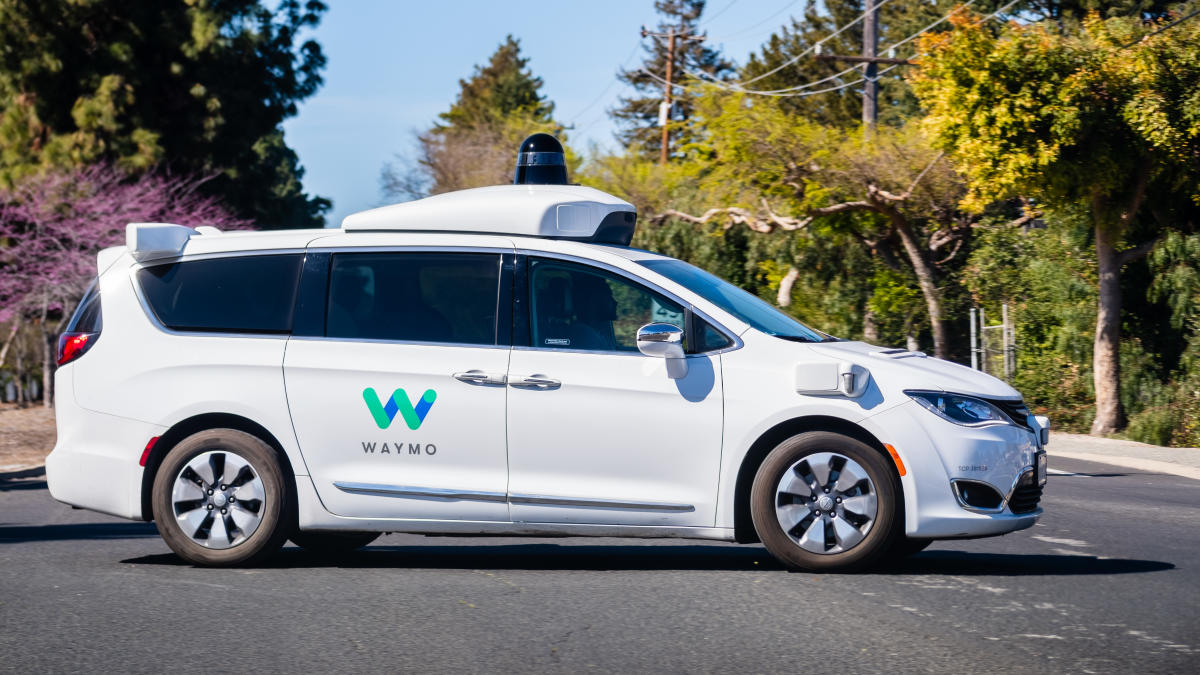
Waymo Targets 2026 Launch of Autonomous Ride-Hailing Service in Washington, D.C.

Alphabet’s self-driving division, Waymo, has announced its plans to roll out its fully autonomous ride-hailing service in Washington, D.C. by 2026. The company, which has already expanded its service to several major U.S. cities, aims to introduce its driverless technology to the U.S. capital in the coming year.

Expanding Autonomous Services to Washington, D.C.

Waymo has been progressively moving its self-driving vehicles to Washington, D.C. since January, with more vehicles expected to be deployed over the coming weeks. While the city currently does not allow for fully autonomous vehicles without a human behind the wheel, Waymo intends to work closely with local policymakers to develop the necessary legal framework for the service.

Waymo One, the company’s self-driving ride-hailing service, has already gained significant traction in other cities, including San Francisco, Phoenix, Los Angeles, and Austin, where it provides over 200,000 paid trips weekly. The company plans to expand to Atlanta and Miami next before launching in Washington, D.C.

Regulatory Challenges and Funding

The announcement comes amid growing interest in autonomous vehicle deployment, especially in Washington, D.C., where federal regulators and lawmakers are located. Tech companies, including Waymo, have urged the government to expedite vehicle approvals and establish clearer regulations for autonomous vehicles.

In October 2024, Waymo closed a $5.6 billion funding round led by its parent company, Alphabet, which will help support the expansion of its self-driving services despite ongoing safety concerns raised by regulators.

Safety Concerns and Recalls

Waymo’s autonomous vehicles have faced scrutiny from the National Highway Traffic Safety Administration (NHTSA), which opened an investigation in May 2024 after receiving multiple reports of the company’s robotaxis exhibiting unexpected behavior, including traffic violations and collisions. In response to these incidents, Waymo issued several recalls, including a recall in June 2024 of 672 vehicles after one of its driverless cars hit a utility pole in Phoenix.

Despite these challenges, Waymo claims that based on data from over 50 million rider-only miles (80.5 million kilometers), its vehicles have been involved in 81% fewer injury-causing crashes compared to average human drivers.

Conclusion

Waymo’s plans for the 2026 launch of its autonomous ride-hailing service in Washington, D.C. represent a significant milestone in the development of self-driving technology. While the company faces regulatory hurdles and safety concerns, it continues to push forward with its vision for a future without human drivers.