Xiaomi to Raise Up to $5.27 Billion Through Share Sale

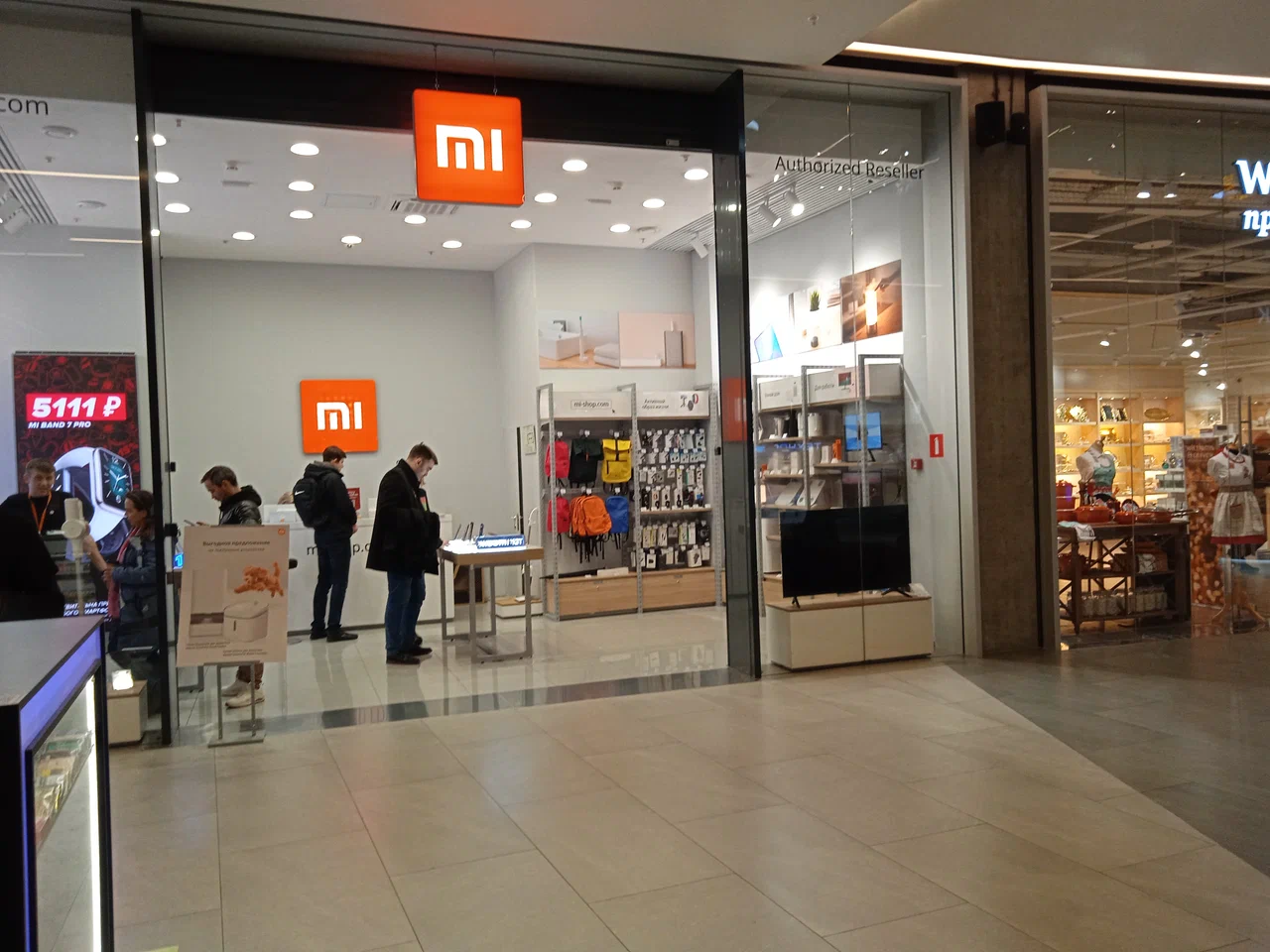
Chinese smartphone and electric vehicle (EV) manufacturer Xiaomi Corp is set to raise up to $5.27 billion through a top-up placement, according to a term sheet seen by Reuters. The company will sell 750 million Class B shares, with a price range set between HK$52.80 and HK$54.60 per share, reflecting a discount of 4.2-7.4% compared to its HK$57 closing price on Monday.

Xiaomi intends to use the funds raised for business expansion, investments in research and technology, and general corporate purposes. The move comes on the back of Xiaomi’s recent success, reporting a nearly 50% jump in its fourth-quarter revenue and increasing its target for electric vehicle deliveries from 300,000 to 350,000 units for the year. Additionally, Xiaomi plans to expand its retail presence, aiming to open 10,000 new Mi Home stores worldwide over the next five years.

This share placement follows a broader trend of Chinese firms engaging in equity capital market deals in 2025, with total equity issuance from Chinese companies reaching $16.8 billion in the first quarter, more than double the amount seen a year ago.

Xiaomi’s offering is being managed by Goldman Sachs, CICC, and JPMorgan.
SAP Overtakes Novo Nordisk as Europe’s Largest Company by Market Capitalization

German software giant SAP has surpassed Danish healthcare company Novo Nordisk as Europe’s largest company by market capitalization. As of 0900 GMT on Monday, SAP’s market cap stood at $340 billion, edging out Novo Nordisk, according to Reuters’ calculations using LSEG Workspace data.

SAP, Europe’s leading software maker, specializes in business application software, serving various industries in functions like finance, sales, and supply chain management. Its growth is largely attributed to optimism surrounding its cloud business, with expectations that it will benefit significantly from recent investments in generative artificial intelligence. Despite a 7% increase in SAP’s stock price in 2025, which lags behind the broader European STOXX 600 index’s 8.3% rise year-to-date, the company has posted a remarkable 160% total return since the end of 2022, far outpacing the STOXX 600’s 28% performance.

In contrast, Novo Nordisk has seen recent underperformance, especially after disappointing trial results from its experimental obesity drug, Cagrisema. The healthcare company had previously surpassed luxury goods giant LVMH in September 2023 to become Europe’s largest company but has since struggled to maintain that lead.

China Equity Issuance Doubles as Tech Race Draws Global Investors

China’s stock markets are seeing renewed interest from global investors, with equity issuance in the first quarter of 2025 nearly doubling compared to the previous year. The surge, totaling $16.8 billion, reflects a shift in investor sentiment as government scrutiny of technology firms eases and emerging tech players like AI software developer DeepSeek gain traction.

The first-quarter equity issuance represents a 119% increase compared to the same period in 2024. Investment activity is being driven by a re-rating of China’s stock market, with investors shifting their focus from caution to seeking opportunities. Despite ongoing risks, especially regarding U.S.-China tensions, China’s valuation gap compared to other global markets is becoming more apparent, attracting long-term investors.

In Hong Kong, the Hang Seng Index has surged 21% this year, outperforming international markets. The MSCI China index is also trading at lower price-to-earnings ratios compared to U.S. and other global markets, making it an attractive option for global investors.

Key to this shift in investor outlook is the easing of government restrictions on China’s tech sector, highlighted by a summit led by President Xi Jinping with top tech leaders. The rise of DeepSeek, an AI company, has further fueled optimism in China’s tech market. The Chinese government’s support for private tech companies, especially in AI, quantum computing, and semiconductors, is being seen as a positive development for foreign investors.

Chinese companies, including those in the AI sector, are helping to drive IPO activity in Hong Kong. With continued strong support from mainland and Hong Kong regulators, the market’s recent surge in activity is expected to remain sustainable.