
Sam Altman’s World Network in Talks with Visa for Stablecoin Wallet

Sam Altman’s cryptocurrency project, World Network, is reportedly in discussions with Visa to develop a stablecoin payments wallet. According to CoinDesk, a deal would integrate Visa card functionality into World Network wallets, allowing stablecoin-based payments at merchants within Visa’s network.

This collaboration highlights the growing efforts to incorporate cryptocurrency into the mainstream payments system, with both companies aiming to expand the use of digital assets in everyday transactions. Visa and Tools for Humanity, the company behind World Network, have yet to respond to requests for comment.

World Network, co-founded by OpenAI’s Sam Altman, primarily offers World ID, a digital passport designed to verify a user’s identity as a real human, distinguishing them from AI chatbots.

US-China Relations Committee Head Urges Cooperation in AI

Stephen Orlins, the president of the National Committee on United States-China Relations (NCUSCR), emphasized the need for cooperation between China and the United States in the field of artificial intelligence (AI). Speaking at the annual China Development Forum in Beijing, Orlins suggested that both countries should avoid duplicating efforts in AI research and development.

AI has become a critical point of tension between the two nations, with the U.S. imposing multiple rounds of sanctions on China’s AI and chip sectors to hinder its technological advancements. Washington has justified these measures by citing national security concerns, particularly the risk of China using AI for military-related purposes.

The NCUSCR is a non-profit advisory organization that fosters dialogue and understanding between the U.S. and China on various issues, including technology.

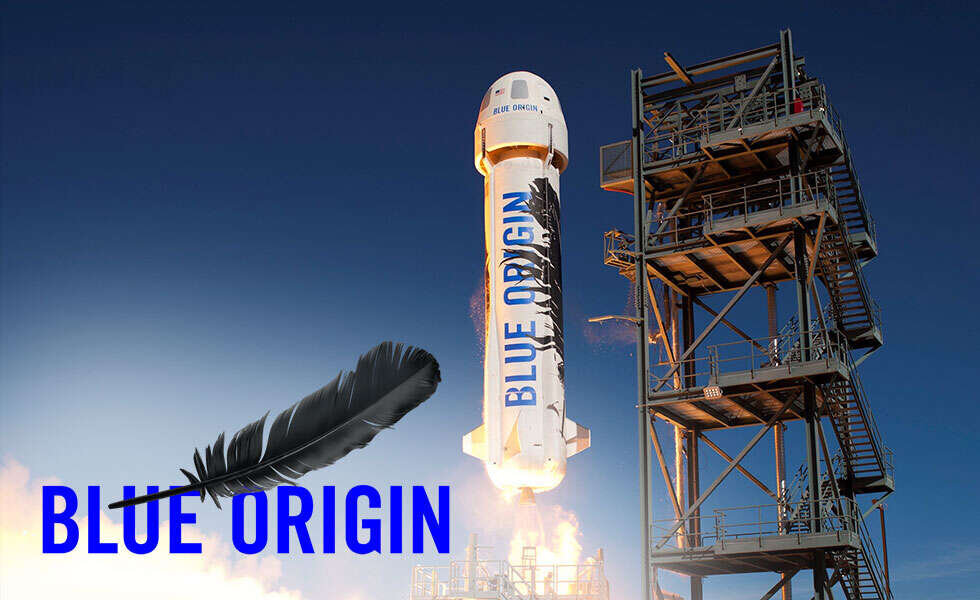
Firefly Aerospace Teams Up with Blue Origin’s Honeybee Robotics for 2028 Lunar Mission

Firefly Aerospace announced on Monday that it has partnered with Honeybee Robotics, a unit of Jeff Bezos’ Blue Origin, to supply a rover for its third lunar mission set for 2028. This mission will focus on studying the Gruithuisen Domes, a unique volcanic formation on the moon’s near side, to uncover insights into the moon’s geological history and resources.

The Gruithuisen Domes are believed to be rich in silica, a rare composition on the lunar surface. Investigating these formations could provide crucial data for future human exploration and resource extraction on the moon.

The collaboration between Firefly and Honeybee Robotics highlights the growing trend of using established space technologies to enhance lunar exploration efforts, especially within a competitive space exploration market.

Firefly’s first lunar lander mission, Blue Ghost Mission 1, made a successful landing on the moon earlier this month, marking the first commercial lunar mission to operate for two weeks, surpassing previous commercial mission durations. This mission delivered 10 NASA instruments and operated until March 16. The upcoming 2028 mission will build upon this success by using Firefly’s Blue Ghost lander and Elytra Dark orbital vehicle, along with the Honeybee Robotics rover, as part of NASA’s Commercial Lunar Payload Services initiative.