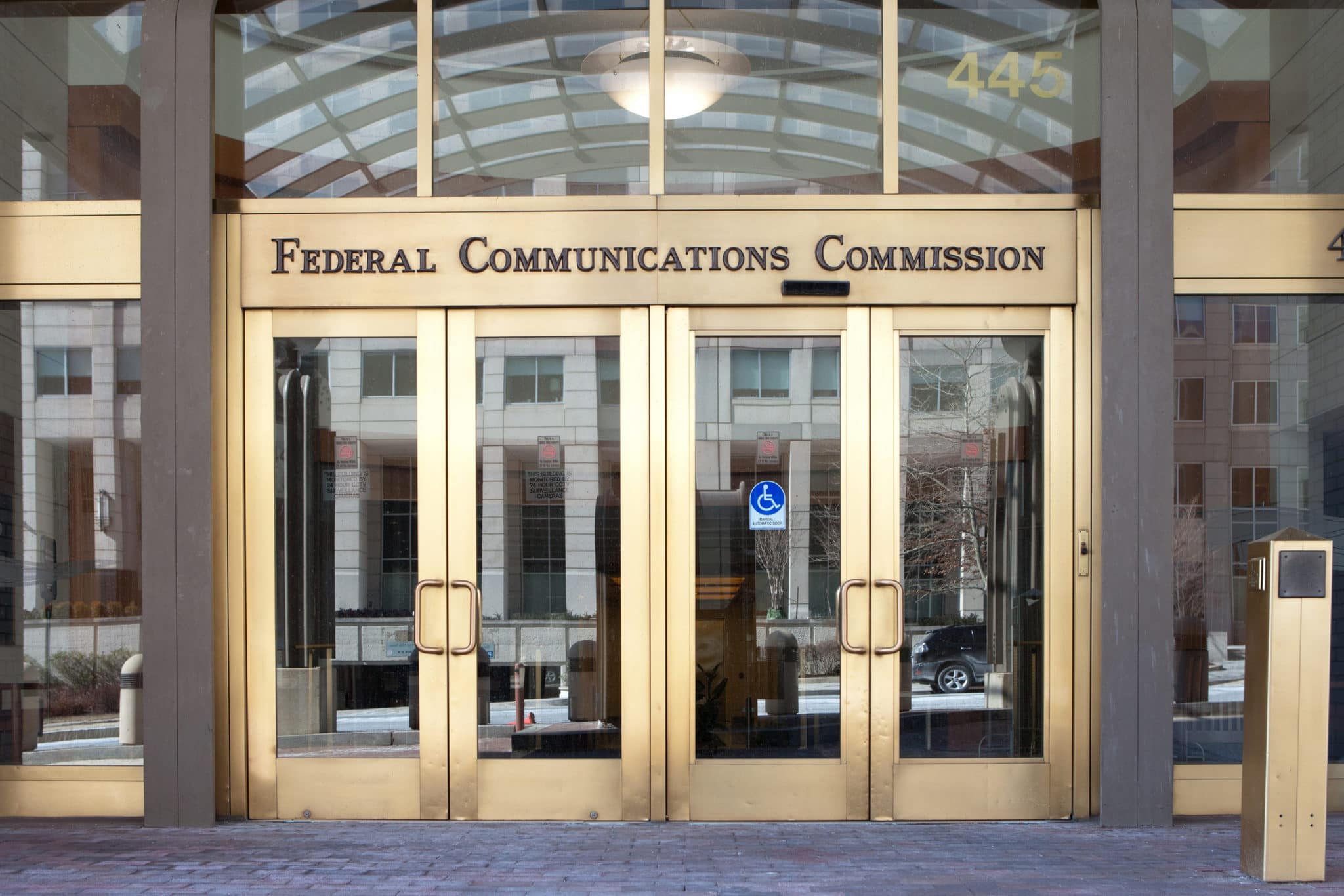
FCC Investigates Chinese Tech and Telecom Firms for Potential Evasion of US Restrictions

The Federal Communications Commission (FCC) has launched an investigation into nine Chinese companies, including Huawei Technologies, ZTE, Hangzhou Hikvision, China Mobile, China Telecom, and others, to determine whether they are attempting to circumvent U.S. restrictions. These companies are currently listed on the FCC’s “Covered List,” which designates certain communications equipment and services as national security threats.

FCC Chair Brendan Carr stated that the companies may still be operating in the U.S. due to their belief that the FCC’s restrictions do not prohibit certain types of operations. Other companies under scrutiny include Hytera Communications, Dahua Technology, Pacifica Networks/ComNet, and China Unicom (Americas). This investigation is the latest move in a broader U.S. effort to combat perceived national security risks posed by Chinese telecom and technology firms.

The FCC has already barred these companies from providing telecommunications services in the U.S. due to national security concerns. However, Carr expressed concerns that some of the firms may be continuing business in America through private or “unregulated” channels. The FCC is investigating whether these companies are evading the restrictions and is taking steps to close any potential loopholes.

The agency has sent Letters of Inquiry and at least one subpoena to the companies, seeking detailed information about their ongoing activities in the U.S. and any potential assistance from other companies aiding their operations. Last year, the FCC also took steps to enhance the security of the Border Gateway Protocol (BGP) after U.S. agencies accused China Telecom of exploiting BGP vulnerabilities to misroute U.S. internet traffic.
EU Nations Push for Faster Progress in Semiconductor Industry

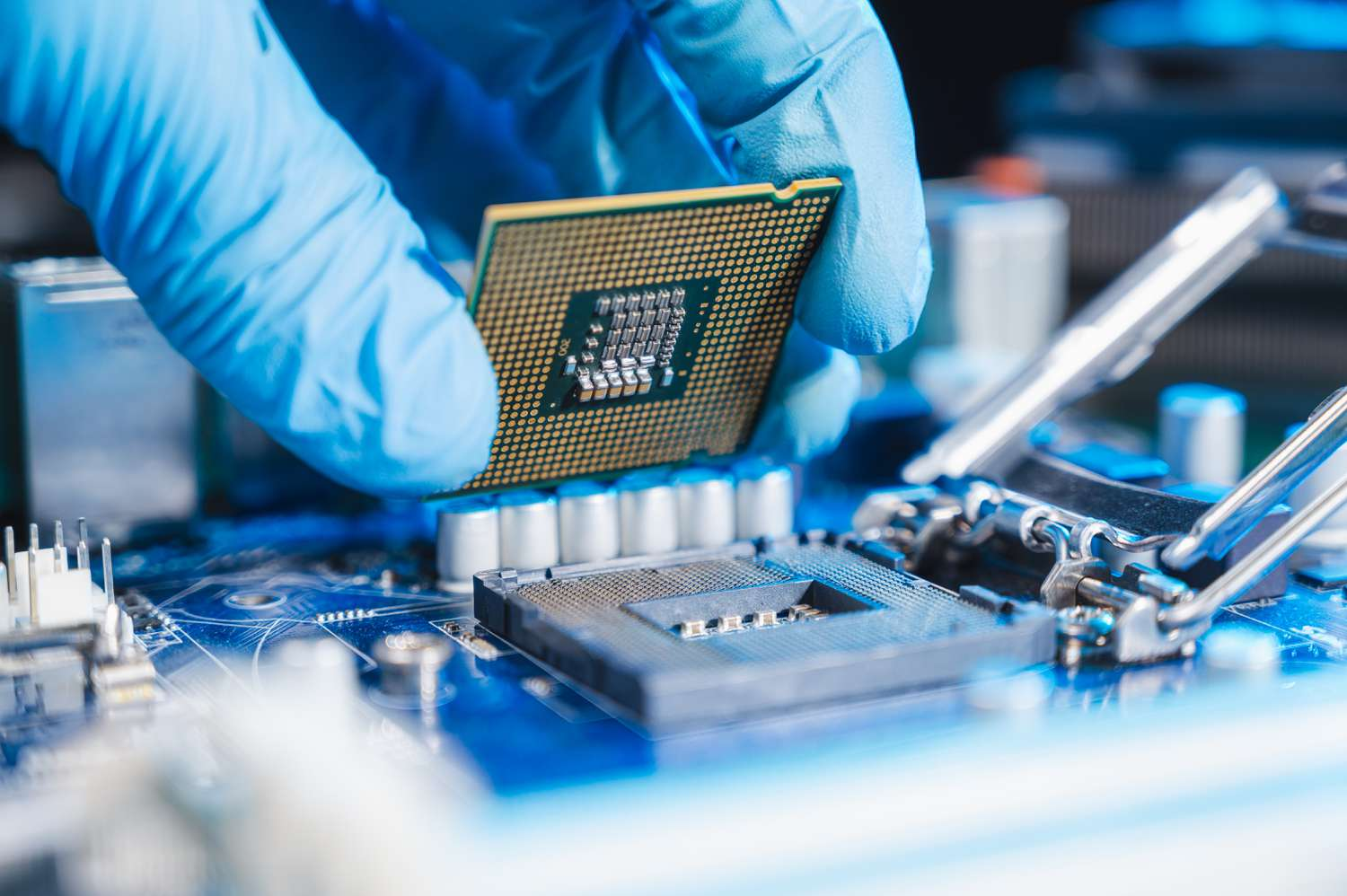
A coalition of nine European Union countries, including Italy, France, Germany, Spain, and the Netherlands, is accelerating efforts to strengthen the EU’s semiconductor industry. The group aims to present proposals for enhancing the sector by summer, according to Dutch Economy Minister Dirk Beljaarts.

The coalition is working on “homework for the new Chips Act,” referring to the potential second EU funding program for the semiconductor industry, following the initial 2023 Chips Act. While the 2023 Act has been credited with preventing the decline of Europe’s chip industry amid larger support programs from the US and China, it has faced criticism for being too slow to meet key goals.

Beljaarts emphasized the need for more targeted funding in the upcoming Act, calling for both private and public investments to support the sector. He also highlighted the importance of ensuring that small and medium-sized companies benefit from this funding. Despite Europe’s strengths in research and development (R&D), he noted gaps in areas like chip packaging and advanced production, particularly after Intel’s decision to shelve plans for a cutting-edge factory in Germany.

The coalition is also exploring internal demand within EU countries to encourage investment from companies, ensuring that it is worthwhile for them to invest in the region.

The European Commission has expressed strong support for the initiative, which aims to complement, rather than undermine, the Commission’s efforts.

Costa Rica’s Presidential YouTube Account Restores Control After Cyber Attack

The official YouTube account of Costa Rican President Rodrigo Chaves was restored to government control late on Friday after a cyber attack that had disrupted the account for several hours.

In a statement, the presidency confirmed that experts from the president’s office, the Ministry of Science and Technology, and Google worked together to resolve the breach. While the details of the attacker or group responsible remain unclear, the government assured that no sensitive information had been compromised during the incident.

During the attack, the YouTube profile was altered to display a logo with the word “Strategy” followed by a bitcoin symbol. The most recent videos featured content related to cryptocurrency, which the presidential office confirmed did not originate from them.