BuildOps Raises $127 Million, Reaches $1 Billion Valuation Amid Strong Demand for AI Software

BuildOps, a provider of AI-powered software solutions for commercial contractors, announced on Friday that it has raised $127 million in a Series C funding round, bringing its valuation to $1 billion. This round was led by Meritech Capital Partners, with participation from new investors such as Schneider Electric’s SE Ventures and BOND Capital, as well as existing investors Fika Ventures and Next47.

The company, which has seen tremendous growth, offers a consolidated platform that helps contractors manage accounts, customer relationships, and operations. BuildOps has benefited from the rise of AI technology, which allows contractors to gain insights into their operations, enabling them to proactively manage costs and avoid costly project overruns.

“We’re giving the modern contractor access to data and insights to predict issues like cost overruns before they happen,” said John Laino, Chief Operating Officer. “This proactive approach is a game-changer compared to the traditional method, where contractors would only find out about issues months into a project.”

BuildOps has been growing at a rate of 100% annually and expects this rapid growth to continue in the near term. CEO Alok Chanani emphasized that while the company is not focused on profitability at this stage, its priority is scaling its operations and investing in research and development.

Looking ahead, Chanani mentioned that going public is part of BuildOps’ long-term strategy, but no timeline was specified. Additionally, the company plans to pursue strategic acquisitions, as evidenced by its 2023 purchase of PWSWARE, the parent company of Perfectware Solutions, to expand its capabilities.
UAE Pledges $1.4 Trillion Investment in U.S. Economy, White House Announces

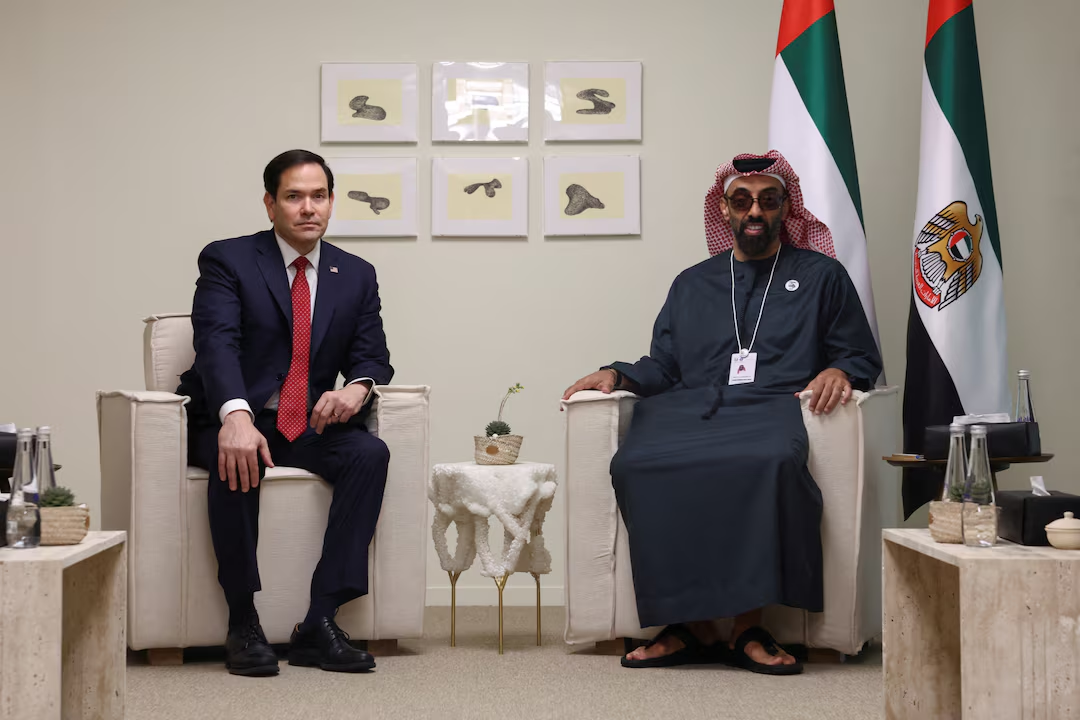
The United Arab Emirates (UAE) has committed to a major 10-year, $1.4 trillion investment framework in the United States, signaling a deepening economic relationship between the two countries. This commitment, announced by the White House on Friday, comes after high-level meetings between UAE officials and President Donald Trump, highlighting the UAE’s expanding role in key sectors such as artificial intelligence (AI), semiconductors, energy, and manufacturing.

While the White House did not detail how the full $1.4 trillion would be invested, some deals under the framework have already been publicly disclosed. Notably, the UAE’s Emirates Global Aluminium announced plans to build the first new aluminum smelter in the U.S. in 35 years. This smelter would significantly boost U.S. aluminum production, nearly doubling its domestic capacity.

The UAE, a major oil producer and longstanding U.S. security partner, is increasingly focusing on diversifying its economy away from fossil fuels, with AI emerging as a critical area of investment. In addition to energy and manufacturing, the UAE is also positioning itself as a leader in the AI sector, aiming to capitalize on its technological growth to secure a more diversified economic future.

This agreement is part of a broader trend of increased Gulf investment in the U.S., exemplified by sovereign wealth funds like Abu Dhabi’s Mubadala, which already holds significant U.S. assets. The UAE’s push for more investments follows a pattern of heightened collaboration between the two nations, with previous discussions between UAE President Sheikh Mohamed bin Zayed Al Nahyan and former President Joe Biden emphasizing AI, space exploration, and investments.

In addition to the aluminum smelter project, one of the key partnerships under the new framework is between the UAE sovereign wealth fund ADQ and U.S. private equity firm Energy Capital Partners, which will focus on a $25 billion initiative to enhance energy infrastructure and data centers across the U.S.

Beijing Supports AI Startup Manus in Bid for Global AI Dominance

Chinese AI startup Manus has made significant strides, with its China-facing AI assistant now officially registered and receiving notable state media attention, as Beijing continues to promote domestic AI companies. The startup, which recently garnered global attention for releasing what it claims is the world’s first general AI agent capable of making decisions and executing tasks autonomously, is being positioned as a key player in China’s ambition to rival global AI leaders.

Manus’ breakthrough moment came when the company went viral on social media platform X, following the introduction of its AI agent, which offers a more advanced and independent functionality compared to current AI chatbots like ChatGPT and the AI model DeepSeek. Beijing’s state-run CCTV aired a segment showcasing Manus, highlighting the AI agent’s unique capabilities, and comparing it to DeepSeek’s AI chatbot, which also gained recognition for offering competitive performance at a fraction of the cost of its U.S. counterparts.

The Chinese government has supported Manus’ development, with Beijing’s municipal government approving the registration of Manus’ earlier AI assistant, Monica, which is a necessary step for launching generative AI apps in China. This regulatory approval aligns with Beijing’s strategy of bolstering the domestic AI sector while maintaining tight control over content deemed sensitive by the authorities.

In addition to government backing, Manus secured a strategic partnership with the team behind Alibaba’s Qwen AI models, further strengthening its position in the competitive AI landscape. Manus’ AI agent is currently available through an invite-only system, with a waitlist reportedly exceeding 2 million users.