China’s Criticism of CK Hutchison Deal Increases Stakes for TikTok U.S. Sale

China’s recent criticism of CK Hutchison’s (0001.HK) move to sell its ports business has raised the political stakes for major Chinese business divestments, particularly the potential sale of TikTok’s U.S. assets. This criticism is seen as a precursor to increased scrutiny of deals involving Chinese companies selling to American buyers, analysts suggest.

CK Hutchison’s decision to sell assets near the Panama Canal to a BlackRock-led consortium on March 4 has drawn attention from Beijing, which views the sale as a betrayal of Chinese interests. The Hong Kong and Macau Affairs Office reposted commentaries accusing CK Hutchison of neglecting national interests, with Chinese regulators launching an investigation into the deal. This follows previous concerns from U.S. President Donald Trump, who praised the transaction, calling it a “reclaiming” of the canal.

The political ramifications of CK Hutchison’s sale are seen as a significant indicator of how Beijing might respond to other high-profile sales, such as ByteDance’s potential divestment of TikTok’s U.S. operations. Chinese officials have made it clear that they do not want ByteDance to be forced to sell TikTok to U.S. investors, indicating a broader political sensitivity surrounding Chinese companies’ control over their operations and the potential for U.S. intervention.

China’s reaction to the CK Hutchison deal underscores its attempt to project a strong stance against U.S. pressure while also balancing the desire to maintain diplomatic relations with the United States. As tensions between the U.S. and China continue to escalate, the scrutiny of these high-stakes transactions highlights the complex political and economic dynamics at play.
Nvidia-Backed CoreWeave Targets $32 Billion Valuation in AI-Focused IPO

CoreWeave, a cloud services provider backed by Nvidia, is targeting a valuation of up to $32 billion in its upcoming initial public offering (IPO) in the United States. The company aims to capitalize on strong demand for generative artificial intelligence (AI), marking a crucial moment for the revival of the U.S. IPO market. This listing is also seen as a key gauge of investor appetite for new entrants in the AI sector, which has driven stock market gains in recent years.

CoreWeave plans to sell 49 million shares, priced between $47 and $55 each, aiming to raise as much as $2.7 billion. In addition to its IPO, the company has secured significant AI partnerships, including an $11.9 billion infrastructure deal with OpenAI, the creator of ChatGPT. As part of the IPO, CoreWeave will issue $350 million worth of shares to OpenAI in a private placement.

The company, which provides data center access and high-powered chips primarily from Nvidia, is aiming for a valuation of $26 billion to $32 billion, based on the IPO’s share pricing range. Nvidia, which currently owns 5.96% of CoreWeave’s Class A shares, will see its stake reduce to 5.05% post-offering.

CoreWeave’s IPO is considered a litmus test for the broader AI sector and the future of specialized data centers versus traditional cloud giants. If the IPO performs well, it could signal renewed confidence in IPOs, while a weak showing may raise concerns about investor appetite despite improving market conditions.

Elon Musk Issued Summons in SEC Case Over Twitter Stake Disclosure

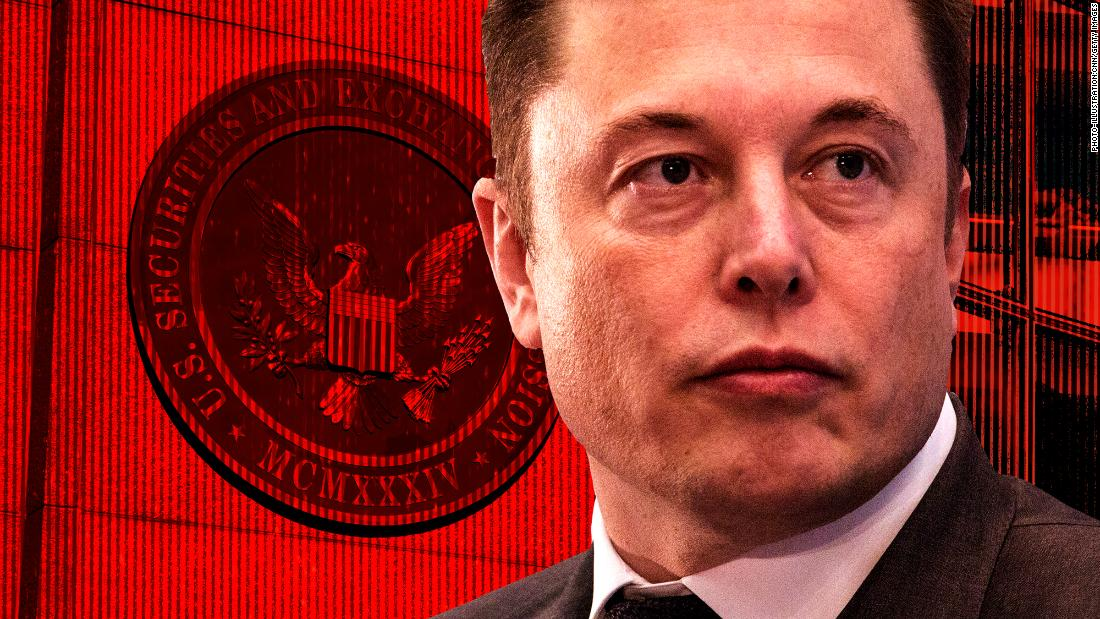
Elon Musk, the world’s richest man and a prominent adviser to former U.S. President Donald Trump, has been issued a summons in connection with the Securities and Exchange Commission (SEC) lawsuit against him. The summons and other legal documents were served on March 14 to a security guard at the Brownsville, Texas, headquarters of Musk’s company, SpaceX, according to a court filing on Thursday.

The SEC lawsuit, filed in January, accuses Musk of delaying the disclosure of his substantial stake in Twitter in 2022. The regulator claims Musk violated federal securities law by waiting 11 days past the required deadline to disclose his initial 5% purchase of Twitter’s common shares. Under SEC rules, investors are required to disclose any ownership stake that exceeds 5% within 10 calendar days, which in Musk’s case should have been by March 24, 2022.

Musk and his legal team have not yet responded to requests for comment, and a spokesperson for the SEC declined to provide additional details.