X (Formerly Twitter) Sues Indian Government Over Expanded Censorship Powers

In a new escalation of its legal dispute with India’s government, X, the social media platform formerly known as Twitter, has filed a lawsuit against the Indian Ministry of Information Technology (IT). The platform argues that the government’s expansion of censorship powers has unlawfully facilitated easier content removal, giving “countless” officials the authority to block online content without adequate legal safeguards.

The lawsuit, filed on March 5, claims that the Indian government has launched a new website through the Ministry of Home Affairs that allows government departments to issue content-blocking orders without stringent oversight. X argues that this mechanism bypasses the legal protections previously in place, which required content removal orders to be made only in cases of harm to national sovereignty or public order and were subject to the scrutiny of senior officials.

X’s legal team contends that the new website has created an “impermissible parallel mechanism” for censorship, allowing for “unrestrained censorship of information” within India. The platform is seeking to have the directive quashed in court.

This filing is the latest chapter in the ongoing conflict between X and Prime Minister Narendra Modi’s administration. In 2021, the platform was involved in a standoff with the Indian government over its refusal to comply with orders to block tweets related to a farmers’ protest against government policies. Though X eventually complied with these requests after facing public criticism, the legal challenge surrounding these decisions continues.

The case was briefly heard by a judge in the High Court of Karnataka state earlier this week, but no final ruling was made. The court is scheduled to hear the case again on March 27.

Amazon and Flipkart Violate Indian Quality Control Regulations During Warehouse Raids

Amazon and Flipkart, two of the largest e-commerce platforms in India, have been found in violation of Indian quality control regulations during raids conducted by the Bureau of Indian Standards (BIS) on Wednesday. The raids, which took place in the Tiruvallur district of Tamil Nadu, uncovered that both companies were storing, selling, and exhibiting products that lacked the required BIS standard certification, a mandatory requirement for certain goods in India.

At the Amazon warehouse, officials seized over 3,000 products, including flasks, insulated food containers, toys, and ceiling fans, all of which were found to be missing the BIS standard mark. Flipkart faced similar issues, with products like diapers, casseroles, and stainless steel water bottles being confiscated.

In response, Amazon India emphasized that it was working closely with regulators to address the matter, while Flipkart stated that it had processes in place to ensure sellers comply with Indian laws and that it regularly conducts audits to verify compliance.

The raids add to the mounting regulatory challenges faced by both companies. In recent months, Amazon and Flipkart have been under investigation for various issues, including anti-trust violations. Last September, both platforms were accused of favoring certain sellers, and in November, authorities conducted raids on several sellers after an investigation revealed that Amazon had used small groups of sellers to bypass Indian laws.

With India’s e-commerce market estimated to reach $160 billion by 2028, these regulatory issues are becoming increasingly important for both Amazon and Flipkart as they continue to dominate the market.

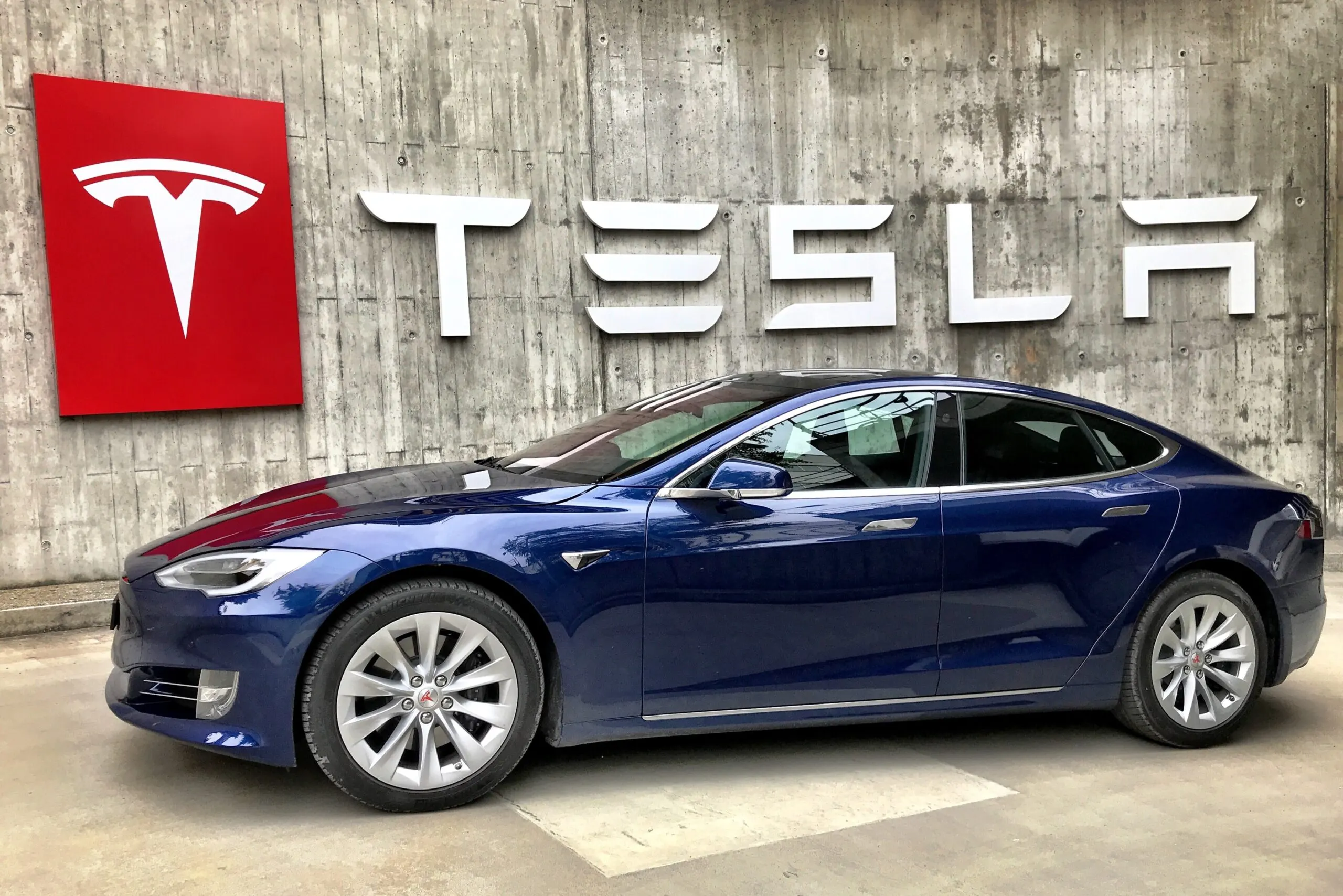
Tesla Recalls Nearly All Cybertrucks Due to Detaching Trim Panel

Tesla has issued a recall for over 46,000 Cybertrucks in the United States due to a potential safety issue involving the vehicle’s exterior trim panel. The recall affects vehicles built between November 2023 and February 27, 2024, marking the eighth recall for the Cybertruck since January 2024.

The issue arises from the stainless-steel trim panel, which could detach while driving, posing a road hazard and increasing the risk of a crash. Although Tesla has received 151 warranty claims potentially linked to this problem, no accidents or injuries have been reported. The company stated that the noise from the detached panel or its complete detachment could be noticed by drivers or passersby.

This recall affects a significant portion of Cybertruck vehicles on the road, with analyst estimates suggesting that the recalled units represent the vast majority of the truck’s current fleet. The recall could be a setback for Tesla, which has already faced challenges in 2024, including increasing competition, an aging vehicle lineup, and backlash against CEO Elon Musk’s influence over federal budget cuts.

Demand for the Cybertruck had already declined toward the end of 2023 following multiple delays, and sales of the vehicle remain a small fraction of Tesla’s overall deliveries. In 2024, Tesla’s total vehicle shipments reached 1.79 million.

Sam Fiorani, Vice President at AutoForecast Solutions, noted that the recall highlights ongoing quality issues for Tesla, which had previously avoided such setbacks. “Reputations take a long time to build and can be tarnished very quickly,” he added.

Despite the recall, Tesla’s stock showed a slight increase on Thursday. During a livestreamed “all hands” meeting, Musk did not address the recall but emphasized the Cybertruck’s “five-star safety rating,” suggesting that investors hold onto their shares.