Former Intel CEO Pat Gelsinger Joins Playground Global as General Partner

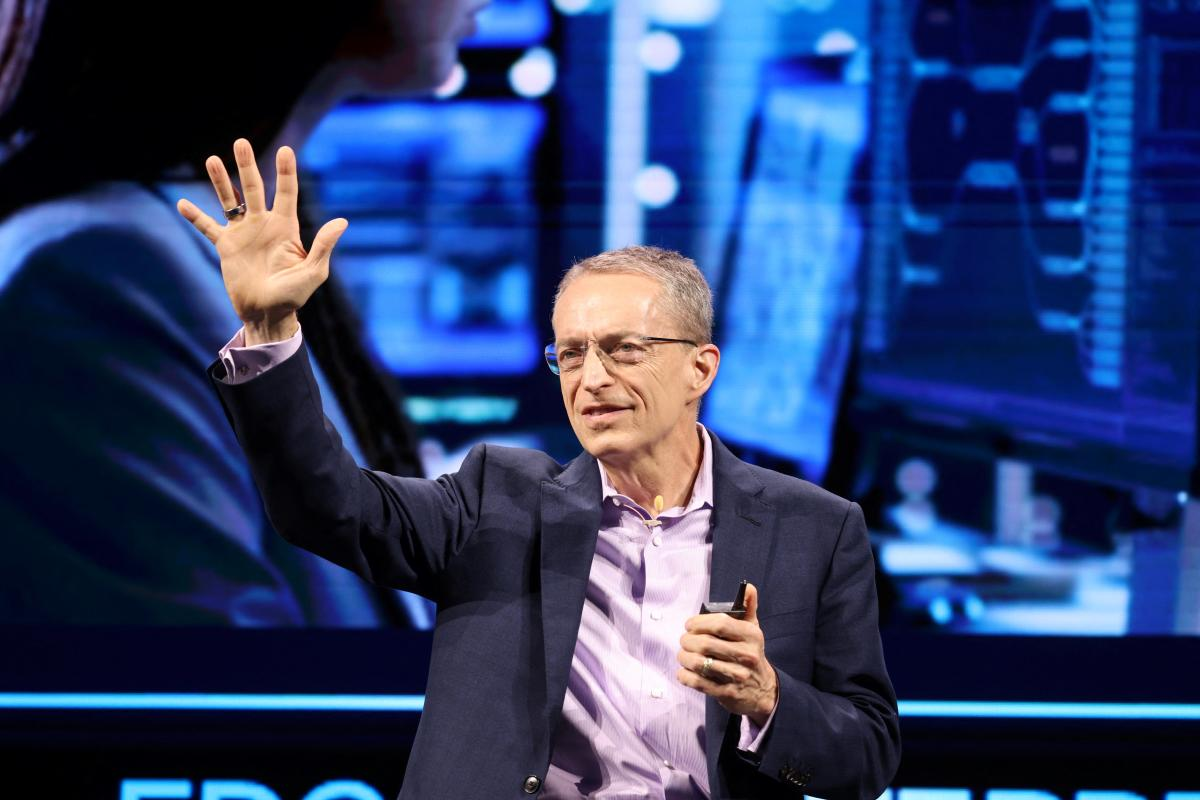
Pat Gelsinger, the former CEO of Intel, has joined venture capital firm Playground Global as a general partner. In addition to his new role, Gelsinger has also joined the board of xLight, a startup focused on developing advanced chip manufacturing technology.

Playground Global and Gelsinger’s Role

Founded in 2015, Playground Global is a Silicon Valley-based venture capital firm with $1.2 billion in assets under management. The firm specializes in deep technology investments, including semiconductors and AI. Playground’s notable investments include MosaicML, an AI firm sold to Databricks in a $1.3 billion stock deal, and PsiQuantum, a quantum computing firm raising funds to build quantum computers in the U.S. and Australia.

Gelsinger, who left Intel after disagreements with its board over his turnaround strategy, will focus on supporting 10 to 20 of Playground’s portfolio companies. His mission is to identify technologies that can deliver breakthroughs, specifically those that can perform at least 10 times better than current solutions.

Focus on Innovation in Semiconductor Technology

One of Gelsinger’s first moves is to join xLight, a Playground portfolio company, as executive chairman. xLight is developing a new type of laser technology to produce extreme ultraviolet (EUV) light for chip manufacturing. This technology aims to use significantly less electricity than current EUV lasers, which are produced by ASML Holding, the industry leader in lithography machines.

Gelsinger believes that this new laser technology could significantly enhance chip production capabilities, making chips smaller and faster—a continuation of the progress first outlined by Moore’s Law, which predicts the doubling of transistors on a chip approximately every two years. He emphasized the importance of advancing these technologies domestically, particularly in the U.S., to ensure continued innovation in the semiconductor industry.

Looking Ahead

Gelsinger’s move to Playground Global signals his commitment to driving innovation in the semiconductor and tech industries. His extensive experience at Intel and deep understanding of chip manufacturing will bring valuable insights as he works to accelerate advancements in cutting-edge technologies that could shape the future of computing.

Microsoft Scales Back on Data Center Leases Amid AI Spending Concerns

Microsoft has pulled back from leasing new data center capacity in the U.S. and Europe, abandoning projects that would have used 2 gigawatts of electricity over the past six months. According to analysts at TD Cowen, the tech giant’s decision is driven by an oversupply of data center capacity relative to its current demand forecast, particularly in light of its shifting approach to supporting OpenAI’s ChatGPT workloads.

Shifting Focus and Market Impact

Investor skepticism has risen regarding the large-scale artificial intelligence (AI) investments made by U.S. tech giants, partly due to slower-than-expected returns and competition from Chinese startup DeepSeek, which offers AI solutions at significantly lower costs. As part of its pullback, Microsoft has decided not to support additional AI workloads, particularly those associated with OpenAI’s ChatGPT, a move that has been closely watched by industry analysts.

Microsoft’s withdrawal from certain data center projects has led to competitors stepping in to fill the void. Alphabet’s Google and Meta Platforms have moved to backfill the data center capacity, with Google focusing on international markets and Meta stepping in for U.S. projects. Despite these shifts, Microsoft remains committed to growing its infrastructure, with plans to invest $80 billion in AI infrastructure during this fiscal year, in line with its ongoing AI strategy.

Continuing Investment and Future Outlook

While Microsoft’s share price saw a slight decline of over 1% on Wednesday, the company reassured investors that its infrastructure growth plans will remain strong across all regions. The company has already scrapped leases with at least two private data center operators, a decision that aligns with its strategic pacing and adjustments to its AI needs.

Executives from both Microsoft and Meta defended their massive AI investments after the reveal of DeepSeek’s cost-effective technology in January, emphasizing that these investments are crucial to remaining competitive in the rapidly evolving AI space. Alphabet has also committed to increasing its AI spending this year, planning $75 billion, a 29% increase over Wall Street’s expectations.

Conclusion

Microsoft’s decision to scale back on data center leases highlights the evolving landscape of AI infrastructure spending, as companies adjust their strategies in response to market competition and changing demand. Despite this pullback, Microsoft’s commitment to AI remains strong, with a continued focus on investing heavily in the technology’s future.

OpenAI Expects Cash Flow to Turn Positive by 2029, Bloomberg Reports

OpenAI is not expecting to achieve cash-flow positivity until 2029, according to a report by Bloomberg News on Wednesday. The San Francisco-based AI leader, despite its strong revenue projections, is grappling with significant operational costs, including expenses for chips, data centers, and talent, necessary for developing advanced AI systems.

Revenue Projections and Growth Plans

Despite the cash flow challenges, OpenAI forecasts significant revenue growth in the coming years. By 2029, the company expects its revenue to exceed $125 billion. The AI firm also predicts a sharp rise in its revenue to $12.7 billion by 2025, more than tripling its current figures. This growth is driven largely by the success of its paid AI software, particularly through the subscription services it offers to consumers and businesses.

In September 2024, OpenAI had already indicated a forecasted revenue of $11.6 billion for 2025, with the company expected to earn $3.7 billion in 2024. These figures align with Bloomberg’s latest reporting.

Expansion of Paid Services

Since the launch of its ChatGPT chatbot over two years ago, OpenAI has rapidly expanded its suite of subscription offerings for both individual and business users. By February of this year, the number of paying business users exceeded 2 million, more than doubling the number of paid users from the previous September.

Financial Challenges Ahead

While OpenAI is positioning itself for rapid growth, it faces an uphill battle in terms of balancing significant upfront investments in technology and infrastructure. The company’s long-term strategy depends on continuing to expand its subscriber base and leveraging its AI innovations to maintain competitive momentum.