UAE Seeks Easier Access to US Chip Technology, Bloomberg Reports

Sheikh Tahnoon bin Zayed Al Nahyan, the UAE’s national security adviser, is set to visit Washington next week to discuss easier access to U.S. technology and potential investment opportunities in the U.S., according to Bloomberg News. Sheikh Tahnoon, who is also the brother of the UAE’s president, is expected to meet with key officials from the Trump administration, including Commerce Secretary Howard Lutnick, Treasury Secretary Scott Bessent, and National Security Advisor Mike Waltz. The participation of President Trump is still uncertain.

The UAE’s push for greater access to American technology comes amid tighter restrictions on the export of artificial intelligence chips imposed by the U.S. government at the start of 2025. This includes Nvidia chips, essential for advanced AI development, with some countries, like Japan, Britain, South Korea, and the Netherlands, receiving exemptions from the new rules. However, countries like the UAE, Saudi Arabia, and Singapore will face some caps on access.

The UAE, seeking to develop its own advanced technology sector, is particularly eager to acquire cutting-edge American innovations. However, the U.S. concerns about the UAE’s close ties to China have raised obstacles to deeper cooperation. Sheikh Tahnoon’s visit is reportedly at the request of the Trump administration, as both nations continue to navigate their strategic technology and trade relations.

Belgium Investigates EU Parliament Bribery Linked to Huawei

Belgian prosecutors have detained multiple individuals in connection with an alleged bribery scheme within the European Parliament, reportedly benefiting Chinese tech giant Huawei. Authorities conducted coordinated searches across Belgium and Portugal early on Thursday, targeting 21 locations. In addition, two parliamentary assistant offices were sealed following a court order.

Huawei responded to the allegations, expressing serious concern and committing to working with authorities to fully understand the situation. “Huawei has a zero tolerance policy towards corruption or any misconduct and is dedicated to complying with all applicable laws and regulations,” the company stated.

According to Belgian prosecutors, the suspected bribery occurred discreetly since 2021, disguised as commercial lobbying. The scheme involved payments made for political favors, as well as lavish gifts such as travel expenses, food, and invitations to football matches. The prosecutors’ statement revealed that these actions were allegedly intended to benefit Huawei.

The European Parliament has confirmed it received a request from Belgian authorities for assistance in the investigation and pledged to cooperate fully. Additionally, a suspect was also arrested in France, though prosecutors have not released the identities of the detained individuals or any information leading to their identification.

The detained suspects are facing questioning over their involvement in the alleged corruption, forgery, and use of false documents within the Parliament.

U.S. Grid Faces Strain Amid Surge in AI Data Center Growth

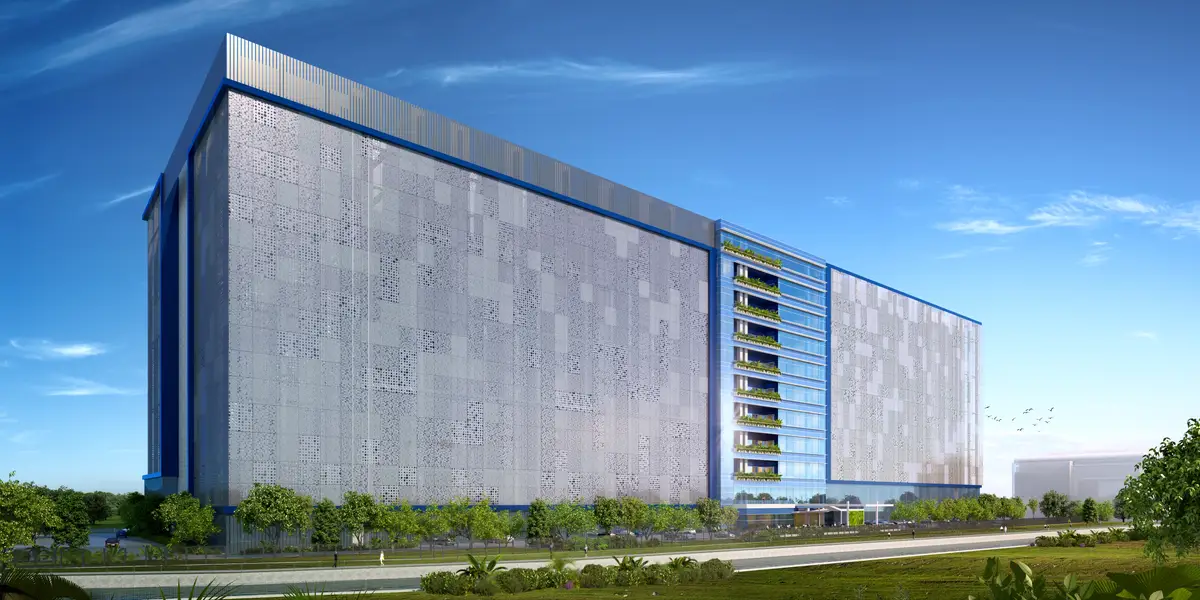
The rapid expansion of AI data centers is raising concerns about the resilience of the U.S. electrical grid, with experts warning that the surge in energy demand could overwhelm the nation’s aging infrastructure. The rapid build-out of massive data centers, which can consume as much power as a mid-sized U.S. city at a single site, is driving electricity consumption to record highs. Government projections estimate that data center demand will triple in the next three years, accounting for 12% of the entire U.S. power supply.

“We are witnessing unprecedented growth, and the challenges the grid is facing are becoming more pronounced,” said Samir Vora, a senior executive at Mitsubishi Power Americas, during an interview at the CERAWeek conference in Houston.

As the demand for electricity rises, traditional fossil fuel-powered generators are being retired, and new generation and power lines are often delayed in interconnection queues, exacerbating the delicate balance required to avoid blackouts.

Mark Christie, who leads the Federal Energy Regulatory Commission (FERC), highlighted the issue at the conference, stressing that the situation has become particularly critical in the PJM Interconnection grid, which serves 13 states and the District of Columbia. This area, home to the world’s largest concentration of data centers, is also crucial for internet traffic, with Virginia alone routing 70% of global internet traffic.

In its latest capacity auction, PJM reported that prices had surged by more than 800% compared to the previous year, citing rising demand and shrinking supply. Manu Asthana, CEO of PJM, expressed cautious optimism, acknowledging that the problem is solvable, though not trivial.

PJM’s peak demand is expected to rise from 152 gigawatts to 184 gigawatts by 2030, with nearly all of the growth driven by data centers. Without substantial investments in new power supply, experts warn that these supply-demand imbalances could spread to other regions across the country, making the situation even more dire.

“It’s going to become more pronounced in other multi-state regions as well,” warned FERC’s Mark Christie, signaling growing concerns about the stability of the grid.