Anthropic Allegedly Developing Voice Mode Feature for Claude AI

Anthropic is reportedly working on a highly anticipated voice mode feature for its AI chatbot, Claude. The company, based in San Francisco, is expected to launch the new feature as early as this month, marking a significant shift for the AI firm. While competitors like OpenAI and Google have already integrated voice capabilities into their chatbots—such as ChatGPT’s voice feature and Gemini’s similar tool—Claude has so far only offered text-based interactions. This move comes shortly after Anthropic introduced an educational subscription plan, mirroring OpenAI’s Edu offering, signaling the company’s broader push into more dynamic AI tools.

The new voice mode feature is expected to be rolled out gradually, with a Bloomberg report suggesting that the feature could begin rolling out in April. Initially, it will be available to a select group of users, with plans possibly subject to change. The inclusion of voice capabilities would place Claude on a more competitive footing with its peers, allowing users to interact with the AI in a more natural, conversational manner. The voice mode is likely to make the AI experience more immersive, combining the capabilities of voice recognition with Claude’s advanced text-based responses.

According to sources familiar with the development, the feature will include three distinct voices: Airy, Mellow, and Buttery. Notably, Buttery is expected to feature a British accent, adding a unique element to the AI’s vocal range. The discovery of this feature was first noted by an app researcher named “M1Astra,” who found clues about the voices in the code of Claude’s iOS app. However, details about the voice mode remain sparse, and it is unclear whether the feature will serve as a basic text-to-speech function or if it will feature more advanced, human-like voice synthesis, akin to ChatGPT’s more sophisticated voice interaction system.

Anthropic’s delayed entry into the voice chatbot arena comes as major players in the AI space, including OpenAI, Google, and Microsoft, have already rolled out voice-based features. Meta, too, is reportedly developing a two-way voice chat mode for its Meta AI, further intensifying the competition. As Anthropic looks to add this new functionality to Claude, it will be interesting to see how the feature stacks up against the already established voice capabilities of its rivals. The feature’s availability to all users or its potential restriction to premium subscribers is also yet to be determined, leaving room for further speculation about the company’s future plans.
New Google Play Services Update Brings Auto-Restart Security Feature to Android Smartphones

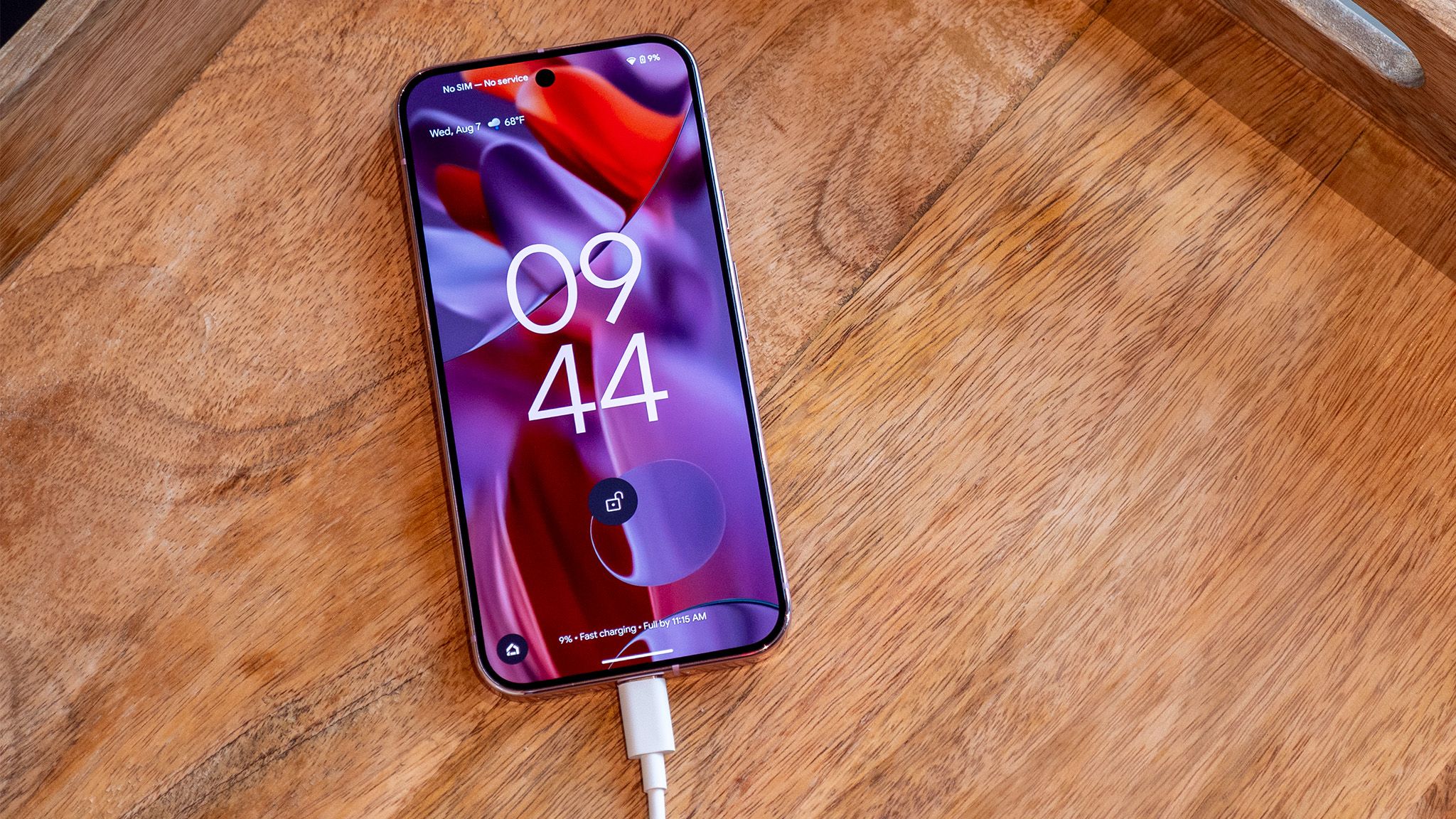
Google is introducing a new security feature to Android smartphones with the latest Google Play Services update, designed to enhance user data protection. The new feature automatically restarts an Android device if it hasn’t been unlocked for a continuous period of three days. This automatic reboot aims to ensure that any unauthorized attempts to access the device’s data are thwarted, providing an extra layer of security. The feature is also expected to extend to Android tablets, further improving the overall security across Google’s mobile ecosystem.

This update, which is part of the Google Play Services v25.14 update, is designed to activate if a smartphone remains locked for 72 hours. Once this threshold is met, the device will automatically restart, and users will be prompted to enter their passcode upon unlocking the device. This process ensures that all user data on the phone is encrypted, and any biometric unlock features are disabled until the correct passcode is entered. This is known as the Before First Unlock (BFU) state, a security measure that prevents unauthorized access.

The BFU state is crucial because it safeguards the data from potential intruders, such as thieves or anyone trying to access the phone without permission. If the device is rebooted, it automatically enters this state, encrypting all data and disabling biometric authentication. Once the user successfully enters their passcode, the device transitions into the After First Unlock (AFU) state, where biometric authentication and data access are restored. By adding this automatic restart feature, Google is ensuring that user data remains secure, even in situations where a device might be left unattended for several days.

Similar to Apple’s iOS 18.1 update, which introduced an ‘Inactivity Reboot’ feature in October 2024, this Android update aims to enhance the security of personal devices. While Google’s changelog mentions that the automatic restart feature will be available on smartphones, it is likely to be rolled out for Android tablets as well. This feature is optional, allowing users to toggle it on or off, depending on their preference for enhanced security. With this update, Android users can feel more confident that their devices are better protected against unauthorized access.

NASA Study Suggests Solar Wind Plays a Crucial Role in Water Formation on the Moon

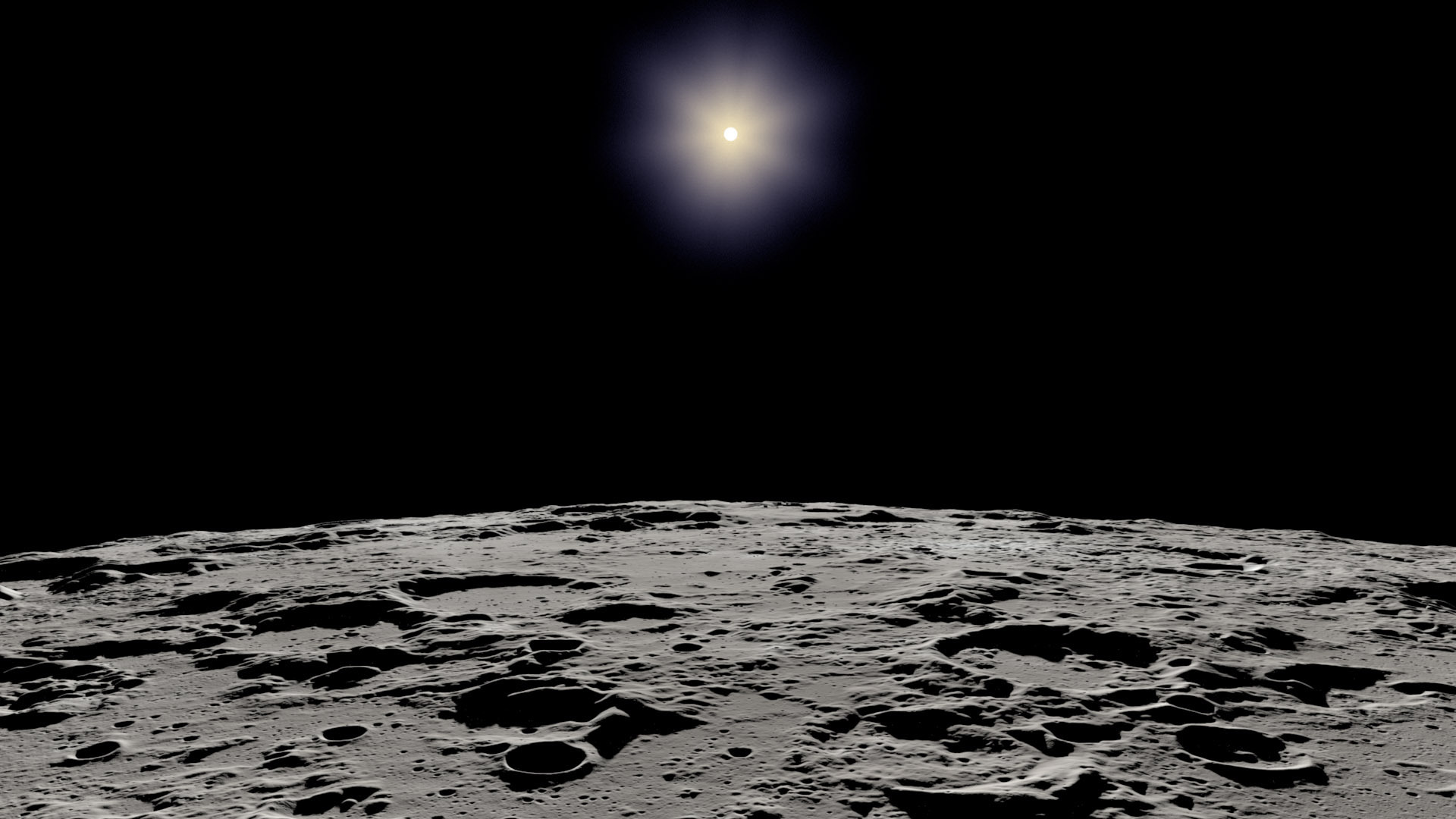
A recent study has revealed an intriguing possibility: solar wind may play a pivotal role in the formation of water on the Moon. The Moon’s surface, covered in a layer of dust and rock known as regolith, has long been thought to contain traces of water—an essential resource for future lunar missions, especially for fueling rockets. Researchers found that this water, found in the form of both water molecules and hydroxyl groups, is embedded within the regolith, which is constantly bombarded by meteoroids and charged particles from the Sun. Surprisingly, the amount of water detected ranged from 200 to 300 parts per million, a significant but modest amount that could have important implications for future lunar exploration.

One of the most striking findings from the study was the low levels of deuterium, an isotope of hydrogen, present in the water and hydroxyl molecules. This suggests that the hydrogen atoms that form the water molecules likely originate from the Sun. The solar wind, a continuous stream of charged particles, delivers these hydrogen particles to the Moon’s surface. When these particles interact with oxygen embedded in the lunar surface rocks, chemical reactions occur, resulting in the formation of water molecules. This discovery not only sheds new light on the Moon’s water composition but also suggests that other airless celestial bodies in the solar system, such as asteroids, may possess water as well.

This groundbreaking research builds on a long-held hypothesis that dates back to the 1960s, when scientists first proposed that the solar wind could be responsible for generating water on the Moon. For decades, this idea remained theoretical, with limited evidence to support it. However, a recent lab simulation conducted by NASA has provided compelling evidence to confirm this hypothesis. The simulation mimicked the process of solar wind interacting with lunar regolith, successfully demonstrating that the charged particles from the Sun can indeed lead to the creation of water on the Moon’s surface. This finding holds significant implications for NASA’s Artemis program, which is preparing to send astronauts to the lunar South Pole, where much of the Moon’s water is believed to be frozen in permanently shadowed craters.

The solar wind, composed mainly of protons (hydrogen nuclei), constantly flows from the Sun, bombarding celestial bodies throughout the solar system. While Earth is shielded from these particles by its magnetic field and atmosphere, the Moon lacks such protection, making it more susceptible to the solar wind’s effects. Computer models and lab tests have shown that when protons collide with the lunar regolith, they interact with electrons and recombine to form hydrogen atoms. This hydrogen then combines with oxygen in the regolith, forming hydroxyl and water molecules. Although hydroxyl and water are chemically similar and difficult to differentiate with current technology, their presence beneath the lunar surface is undeniable. This discovery marks a significant step forward in our understanding of the Moon’s potential as a resource for future space missions.