CoreWeave Slashes U.S. IPO Size Amid Lukewarm Investor Interest

CoreWeave has significantly reduced the size of its U.S. initial public offering (IPO) and priced shares lower than expected, signaling weaker investor confidence in the AI infrastructure sector.

The Nvidia-backed company will now offer 37.5 million shares at $40 each, a 23.5% reduction from its initial plan. This is well below the previously indicated range of $47 to $55 per share. The offering is expected to raise approximately $1.5 billion, valuing CoreWeave at around $23 billion on a fully diluted basis.

Investor Concerns and Market Challenges
CoreWeave’s IPO roadshow received a weaker-than-expected response due to investor concerns over its long-term growth, financial risks, and capital-intensive business model. The company’s heavy reliance on Microsoft, whose AI datacenter strategy is evolving, has also raised uncertainty about future demand for CoreWeave’s GPU-based services.

Additionally, CoreWeave’s substantial debt—approximately $8 billion—and its leasing model for 32 data centers and equipment have heightened investor caution. The company plans to use about $1 billion of the IPO proceeds to pay down debt but has indicated it will continue borrowing.

Despite being a key Nvidia customer with over 250,000 Nvidia GPUs deployed, CoreWeave has yet to turn a profit, making investors wary of its long-term viability.

AI Market Volatility and IPO Climate
The tepid reception to CoreWeave’s IPO raises concerns about the strength of the AI infrastructure market. Analysts suggest investors are recalibrating AI valuations amid uncertainty about data center spending. Additionally, competition from China’s DeepSeek, a low-cost AI rival, adds pressure to the sector.

CoreWeave had initially planned to sell 49 million shares to raise up to $2.7 billion, which would have valued it at $32 billion. However, due to mounting investor concerns, the company opted to scale back its IPO ambitions.

Despite the reduced offering, CoreWeave has secured significant partnerships, including an $11.9 billion infrastructure deal with OpenAI. The company will also issue $350 million in shares to OpenAI through a private placement.

Morgan Stanley, J.P. Morgan, and Goldman Sachs are leading the IPO underwriting.
Trump Considers Tariff Reduction to Secure TikTok Deal

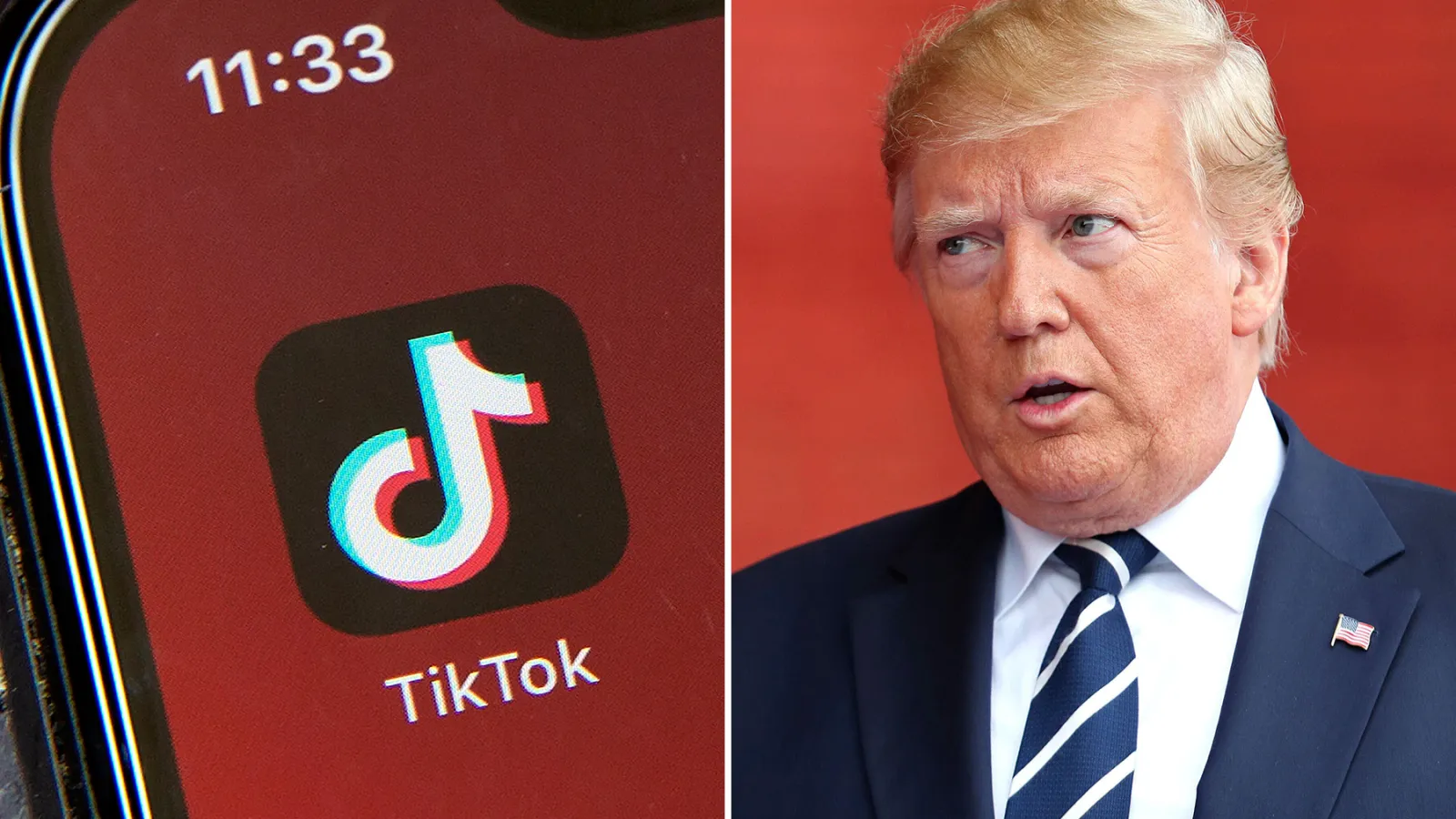
U.S. President Donald Trump announced on Wednesday that he may lower tariffs on China as an incentive for ByteDance to finalize a deal to sell TikTok, which is used by 170 million Americans.

ByteDance faces an April 5 deadline under a 2024 law requiring it to divest TikTok’s U.S. operations or face a ban due to national security concerns. Trump indicated he is open to extending the deadline if necessary to facilitate a deal, acknowledging that China must approve any sale.

“Maybe I’ll give them a little reduction in tariffs or something to get it done,” Trump told reporters, suggesting the administration is willing to use trade policy as leverage.

China’s commerce ministry reiterated its position that it seeks negotiations based on “mutual respect, equality, and mutual benefit.” Meanwhile, Vice President JD Vance has expressed confidence that a resolution will be reached by the April 5 deadline.

Reports indicate that White House-led discussions are moving toward a plan in which ByteDance’s largest non-Chinese investors would increase their stakes and acquire TikTok’s U.S. operations. The White House has taken an unprecedented role in the negotiations, acting almost like an investment bank.

TikTok briefly went offline in January after the U.S. Supreme Court upheld the ban, but Trump later postponed enforcement until April 5. He has signaled he could extend the deadline further if needed.

The proposed divestiture has sparked legal challenges from free speech advocates, who argue the ban could violate the First Amendment by restricting access to foreign media.

Alphabet Set to Acquire Wiz for $32 Billion in Major Move to Strengthen Cloud Security

Alphabet has announced its decision to acquire the fast-growing cybersecurity startup, Wiz, for approximately $32 billion, marking the company’s largest-ever acquisition. This move is part of Alphabet’s broader strategy to bolster its cloud-computing division and enhance its security offerings as it looks to compete more aggressively with industry leaders Amazon and Microsoft. With cyber threats becoming an increasing concern for businesses worldwide, the acquisition will enable Google Cloud to better serve its clients by providing advanced security solutions designed to mitigate critical risks.

The deal underscores Alphabet’s commitment to strengthening its position in the cloud market, where security is becoming a central focus for organizations. Wiz, which specializes in cloud-native security and risk management solutions, will be integrated into Google Cloud, aligning with Alphabet’s broader goal of enhancing its enterprise offerings. The acquisition is expected to accelerate Google Cloud’s cybersecurity capabilities, helping to protect its customers from evolving threats in an increasingly digital landscape.

While the price tag for Wiz is substantial, Alphabet seems confident the deal will pass regulatory scrutiny, despite the potential for increased government oversight on large tech acquisitions. The buyout is expected to come with a hefty breakup fee, signaling that both parties are committed to ensuring the deal progresses smoothly. Alphabet’s stock saw a slight dip following the announcement, reflecting concerns about its rising costs, especially in artificial intelligence (AI) investments. Nonetheless, the acquisition highlights Alphabet’s strategic intent to build on its cloud business at a time when tech giants are recalibrating in response to competition from emerging players like China’s DeepSeek.

The acquisition price is notably higher than the initial offer of $23 billion made by Alphabet last year, which Wiz had rejected. The startup was valued at around $12 billion in a private funding round in May 2024 and generated more than $500 million in annual recurring revenue at the time. Despite the initial rejection, sources report that the two companies maintained communication, with Google Cloud CEO Thomas Kurian persistently pursuing the acquisition. This strategic move signals that Alphabet is doubling down on its cloud and cybersecurity goals, aiming to solidify its position in a highly competitive market.