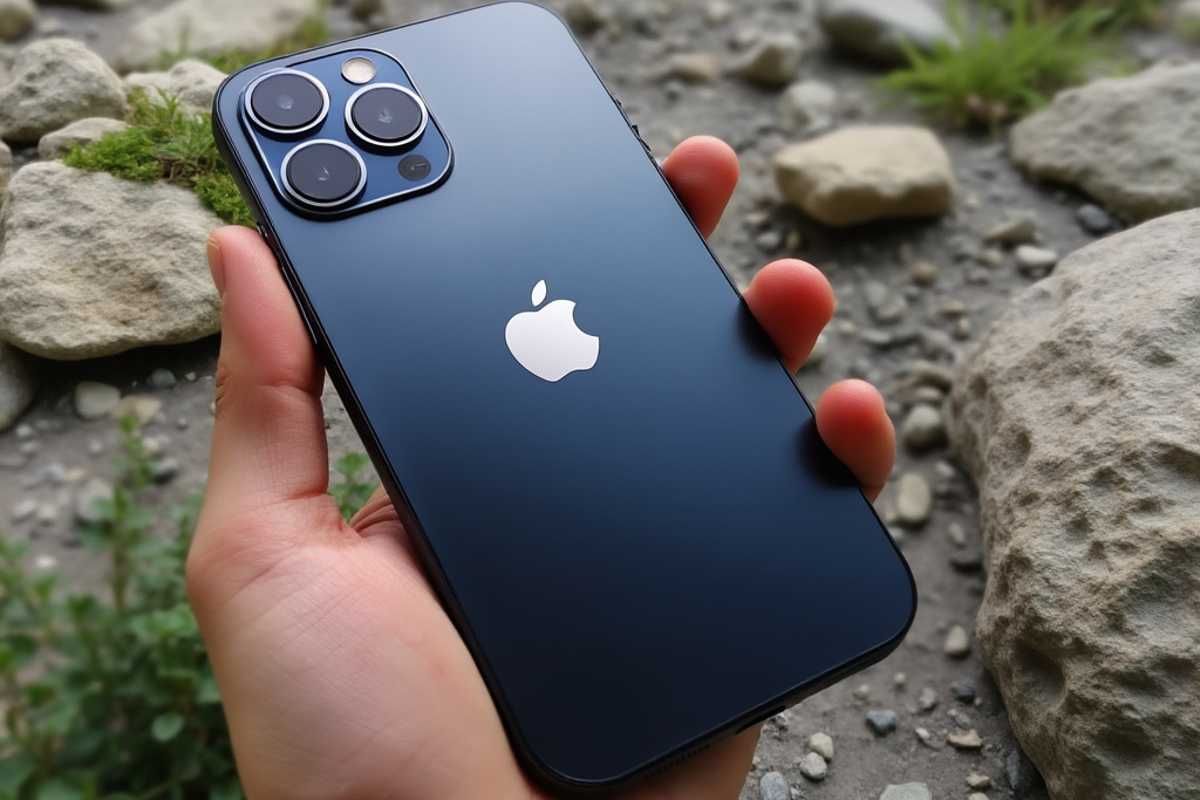
Leaked iPhone 17 Series Dummy Units Reveal Design and Rear Camera Layout Changes

The iPhone 17 series, which is expected to be unveiled in September this year, continues to generate significant buzz, with numerous leaks and speculations surfacing ahead of its release. Most recently, the most detailed look yet at the upcoming models—iPhone 17, iPhone 17 Air (or Slim), iPhone 17 Pro, and iPhone 17 Pro Max (or Ultra)—came from alleged renders. Now, new images of dummy units for the iPhone 17 series have surfaced, providing even more clarity about the design and rear camera layout of the next generation of iPhones. These dummy units are likely metal molds created to assist accessory manufacturers in developing compatible cases and other products ahead of the official release.

The latest leak, shared by well-known tipster Sonny Dickson (@SonnyDickson) on X (formerly Twitter), offers a comprehensive look at the iPhone 17 series from various angles. The images display the design of the devices from the front, rear, and sides, revealing subtle but noticeable changes compared to previous models. The most significant difference appears to be in the rear camera layout, with the standard iPhone 17 continuing to feature a vertical arrangement of dual sensors. While it closely resembles the iPhone 16, the layout seems to have been slightly adjusted for a more refined look.

For the higher-end models, the iPhone 17 Pro and Pro Max (or Ultra), the rear camera system has undergone more significant changes. The images suggest that these models will sport a larger, more advanced camera array, potentially indicating improvements in optical zoom or other professional-grade features. The dummy units also hint at potential changes in the overall body design, with the Pro versions possibly incorporating new materials or finishing to enhance the premium feel of the devices.

While the dummy units provide useful insights into the physical design of the iPhone 17 series, it’s important to note that they don’t reveal any software or performance details. However, they do give a strong indication of the direction Apple is taking in terms of hardware, suggesting incremental but impactful improvements over the previous iPhone models. As the official launch approaches, more leaks and details are expected to emerge, gradually painting a clearer picture of what Apple has in store for the iPhone 17 series.

Snapdragon G3 Gen 3 Chipset Launched for Handheld Consoles, Featuring Ray Tracing and Quad HD+ 144Hz Display Support

Qualcomm has introduced a new lineup of Snapdragon G series chips specifically designed for handheld gaming consoles, with the flagship Snapdragon G3 Gen 3 leading the way. This powerful chip promises to take handheld gaming to the next level by supporting 144Hz Quad HD+ displays, ray tracing, and the Lumen system from Unreal Engine 5. These advancements will allow for more immersive and visually stunning gaming experiences, ensuring that even on smaller screens, players can enjoy smooth graphics and lifelike lighting effects. Alongside the high-end G3 Gen 3, Qualcomm has also unveiled the Snapdragon G2 Gen 2 and G1 Gen 2 processors, which cater to midrange and entry-level handheld devices, respectively.

The Snapdragon G3 Gen 3 is an octa-core processor designed for premium handheld gaming. It features a powerful configuration of one prime core, five performance cores, and two efficiency cores, making it capable of handling demanding tasks with ease. The chipset also boasts an Adreno A32 GPU, which enables it to handle advanced graphics features like ray tracing. This is a first for the Snapdragon G series, setting the G3 Gen 3 apart from its predecessors and offering a more cinematic gaming experience. Furthermore, the inclusion of Unreal Engine 5’s Lumen system ensures that developers can create games with more realistic lighting, adding another layer of immersion.

Meanwhile, the Snapdragon G2 Gen 2 and Snapdragon G1 Gen 2 processors offer solid performance for midrange and entry-level devices, respectively. The Snapdragon G2 Gen 2 is also an octa-core chip, but it features one less performance core than the G3 Gen 3 and adds an extra efficiency core. Equipped with an Adreno A22 GPU, the G2 Gen 2 is ideal for delivering a balanced performance suitable for midrange gaming consoles. The Snapdragon G1 Gen 2, on the other hand, is designed for cloud gaming devices and features two performance cores and six efficiency cores, alongside an Adreno A12 GPU. While it supports 1080p gameplay at 120fps, it is more focused on delivering smooth cloud gaming experiences rather than the advanced graphical capabilities of higher-end devices.

With the Snapdragon G series, Qualcomm is aiming to provide a diverse range of chips that cater to different segments of the handheld gaming market. Whether you’re looking for the cutting-edge power of the Snapdragon G3 Gen 3 for a premium gaming console or a more budget-friendly option with the Snapdragon G1 Gen 2, Qualcomm’s new processors are designed to support a wide array of gaming experiences, ensuring that players can enjoy seamless, high-quality gameplay no matter their device’s price point.

Samsung Galaxy S24 Series to Support LOG Video Recording with New One UI 7 Beta Update

Samsung has recently rolled out the One UI 7 Beta update for the Galaxy S24 series, introducing a significant new feature for video recording. This update, based on Android 15, enables support for capturing LOG (logarithmic) videos on the Galaxy S24, Galaxy S24+, and Galaxy S24 Ultra. LOG video recording allows users to capture a wider dynamic range, effectively recording both the darkest and brightest areas in greater detail. This feature is particularly beneficial for content creators and videographers who require high-quality footage with more flexibility in post-processing.

With the new update, users of the Galaxy S24 series can now experience enhanced video recording capabilities, providing more options for professional-grade content creation. The LOG format preserves more color and detail, making it easier to manipulate in editing software. This addition positions the Galaxy S24 series as an appealing choice for users looking for advanced video recording features in a smartphone, bringing a new level of versatility to Samsung’s flagship devices.

Alongside the LOG video recording feature, the One UI 7 Beta 5 update addresses several bug fixes and system improvements. Users can expect to see resolved issues related to the Now Bar, lock screen, and Notification History, among others. These tweaks contribute to a more stable and refined user experience, making the device more reliable for everyday use.

While the LOG video recording feature was initially introduced in the One UI 7 Beta 4 update, it was limited to the Galaxy S24 Ultra model. The latest Beta 5 update expands this functionality to all three models in the S24 series, further enhancing the appeal of Samsung’s latest flagship lineup. For those who are beta testing, this update marks an exciting step toward more professional-grade video capabilities on mobile devices.