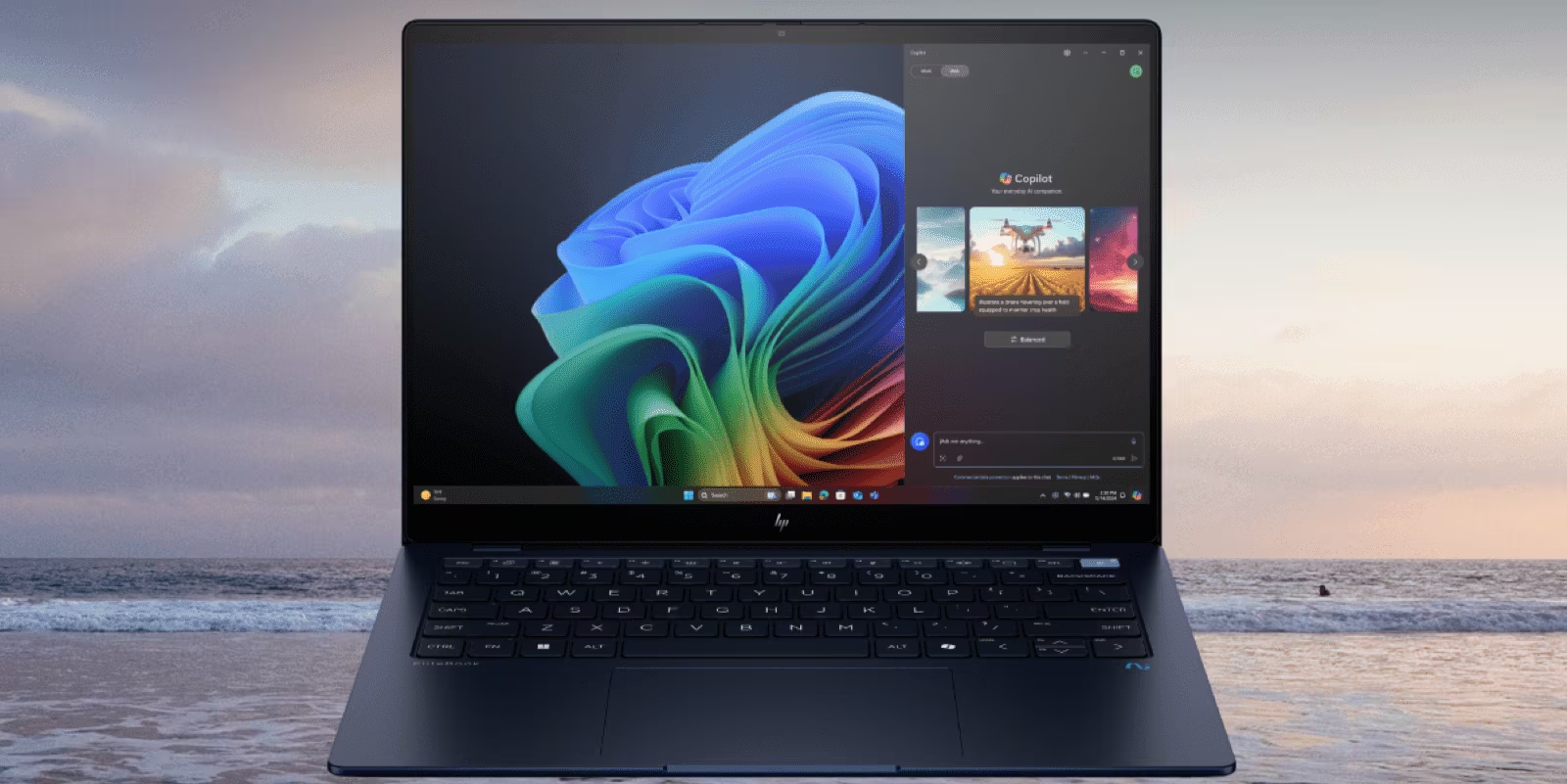
HP Launches EliteBook Ultra, Flip, and X AI-Powered Commercial PCs for Businesses

HP has unveiled a new range of AI-powered commercial laptops in India, including the HP EliteBook Ultra, EliteBook Flip, and EliteBook X, designed to cater to the needs of businesses and professionals. These laptops are equipped with powerful AMD Ryzen and Intel Core Ultra processors, alongside an HP-exclusive neural processing unit (NPU) capable of delivering up to 55 trillion operations per second (TOPS). This NPU enables the laptops to support advanced features like HP AI Companion and Poly Camera Pro, offering a more personalized and efficient user experience for business users.

These new models, branded as AI PCs, also come with a Microsoft Copilot key, allowing users to leverage AI tools for enhanced productivity and smarter workflows. Security is a top priority with HP’s Wolf Security suite, which ensures robust protection against cyber threats and safeguards sensitive business data. This added layer of security is crucial for businesses that rely on these devices for daily operations, providing peace of mind in an increasingly digital and interconnected world.

The pricing for these new EliteBook models in India starts with the HP EliteBook X G1a 14-inch, which is priced at Rs. 2,21,723 and comes in a sleek Glacier Silver color. The HP EliteBook X G1i 14-inch is available for Rs. 2,23,456, offered in both Atmosphere Blue and Glacier Silver. For those looking for more versatility, the HP EliteBook X Flip G1i 14-inch, which comes with a flip design, is priced at Rs. 2,58,989, available in the same color options. Lastly, the HP EliteBook Ultra G1i 14-inch, which offers premium features and design, is priced starting at Rs. 2,67,223 and is available exclusively in Atmosphere Blue.

These new laptops combine cutting-edge technology with sleek designs, making them ideal for businesses that require high-performance, secure, and AI-enhanced devices. With their powerful processing capabilities, personalized AI features, and strong security measures, the new HP EliteBook series aims to provide professionals with the tools they need to stay ahead in the competitive business environment.
BYD Introduces Revolutionary Battery System Capable of Charging EVs in Just Five Minutes

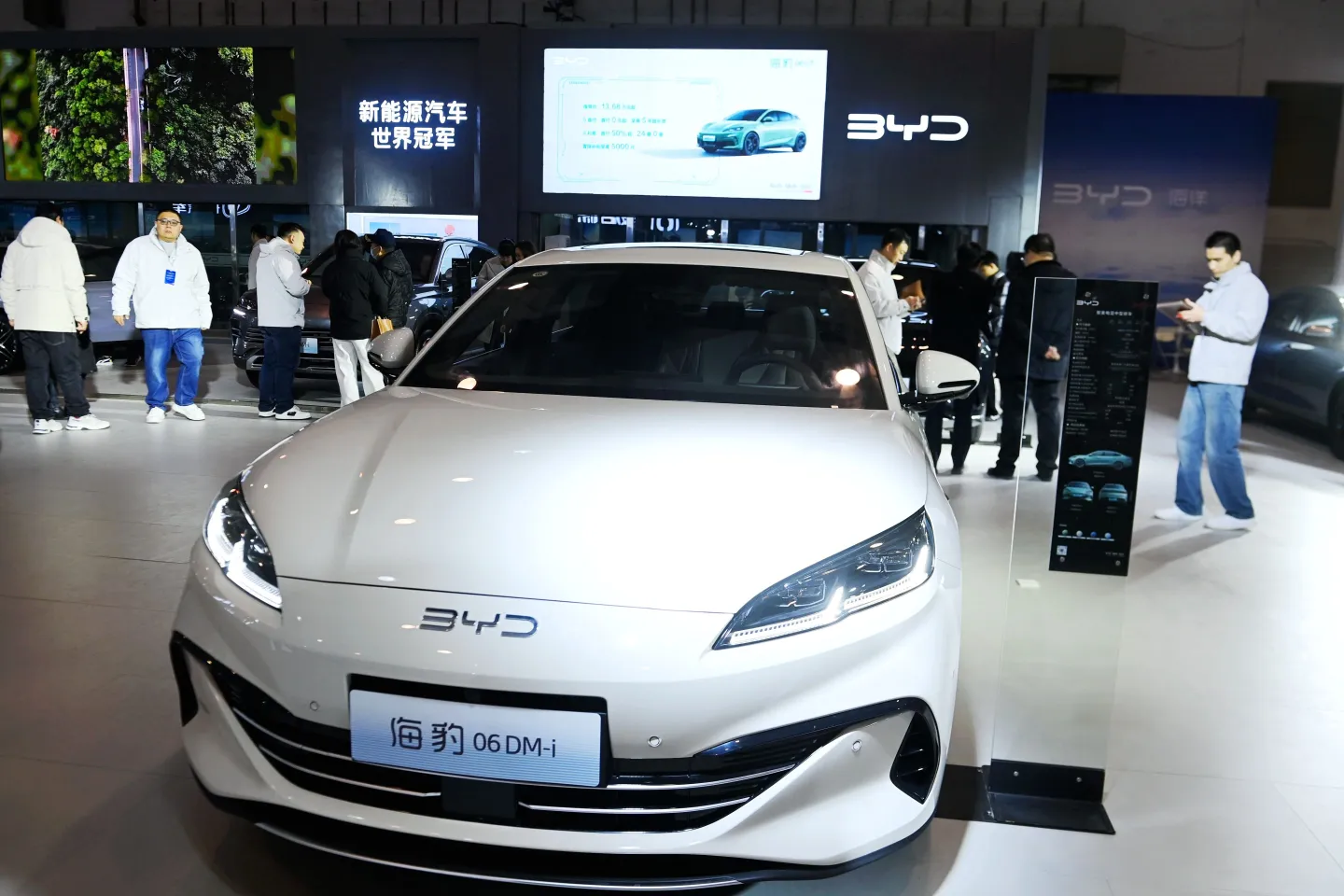
BYD has unveiled a groundbreaking new battery and charging system that the company claims will enable electric vehicles (EVs) to charge almost as quickly as it takes to refuel a traditional combustion engine car. During a presentation at BYD’s headquarters in Shenzhen, Chairman Wang Chuanfu highlighted the impressive capabilities of the new system, revealing that it was able to provide 470 kilometers (292 miles) of range in just five minutes of charging, as demonstrated on the company’s new Han L sedan. This innovation could drastically reduce the time spent charging, potentially addressing one of the major concerns that has kept some drivers from switching to electric vehicles.

The ability to charge an EV in the time it takes a regular vehicle to pull into and out of a gas station could be a game-changer for the electric car market. It presents a solution to one of the most common criticisms of electric vehicles—long charging times—and could make EVs far more convenient for daily use, especially on long trips. This system is expected to be the foundation for many of BYD’s future electric models, further strengthening the company’s competitive position in the rapidly growing EV market.

Compared to Tesla’s Supercharger network, which can add up to 275 kilometers of range in 15 minutes, BYD’s new system offers a significant leap forward in charging speed. While Tesla’s network is much larger, with over 65,000 Superchargers globally, BYD’s technological advancement positions it as a serious contender in the race for the best EV charging solution. Mercedes-Benz’s recent announcement of its new CLA electric sedan, capable of adding 325 kilometers of range in 10 minutes, shows that other automakers are also pushing the limits of EV charging speeds, but BYD’s five-minute system still sets a new benchmark.

In addition to its rapid charging capabilities, BYD’s new EV platform is designed to offer remarkable performance. The platform will allow vehicles to accelerate from 0 to 100 kilometers per hour in just two seconds, further proving the potential of the new battery technology. As BYD continues to innovate and improve its offerings, this new battery system could help the company maintain its position as one of the world’s top EV sellers, challenging industry giants like Tesla while contributing to the widespread adoption of electric vehicles.

Apple Set to Begin Mass Production of Foldable iPhone and iPad Pro in Late 2026

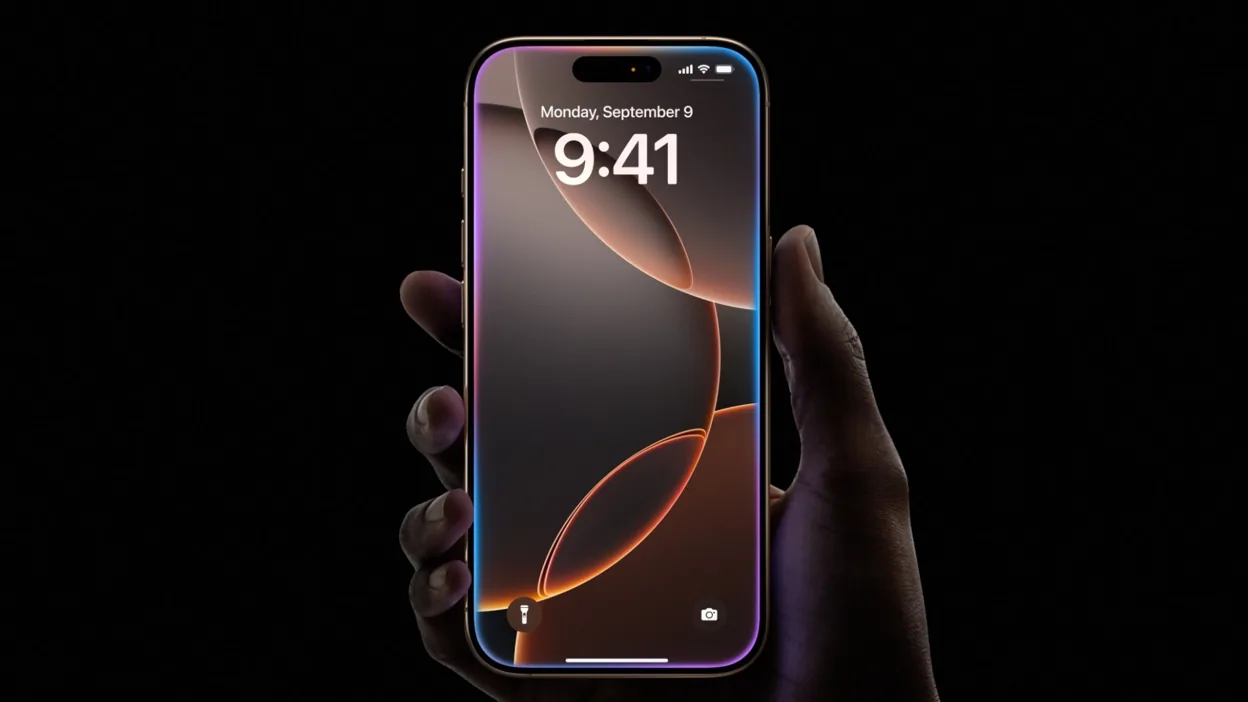
Apple is reportedly preparing to begin mass production of its long-anticipated foldable devices, including the foldable iPhone and foldable iPad Pro, in the second half of 2026. According to a recent report, the company is expected to produce an early prototype of both devices by April. This marks a significant milestone for Apple, as it continues to explore foldable technology, which has gained popularity among other smartphone manufacturers in recent years. The foldable iPhone is rumored to feature a 7.8-inch main display with a 5.5-inch cover screen, while the foldable iPad Pro could boast an impressive 18.8-inch screen.

These foldable devices are expected to represent a major shift in Apple’s product lineup, as the company has traditionally been cautious about entering new form factors. However, reports suggest that Apple is taking significant steps toward bringing these devices to market, with prototypes likely to be tested in the coming months. The foldable iPhone and iPad Pro models are expected to offer users a more versatile and compact design, combining the portability of a smartphone with the functionality of a tablet.

According to analyst Jeff Pu, who shared insights with MacRumors, both the foldable iPhone and iPad Pro have entered the New Product Introduction (NPI) phase at Foxconn, Apple’s key manufacturing partner. The NPI phase is a crucial step in the manufacturing process, involving design refinement, engineering adjustments, and prototyping before a product can be mass-produced. This indicates that Apple is moving closer to finalizing its foldable device concepts and preparing them for widespread production.

If these reports are accurate, the second half of 2026 will be an exciting period for Apple fans, as the company is set to release two groundbreaking devices. As the tech industry increasingly gravitates toward foldable technology, Apple’s entry into this space could have significant implications, potentially setting new trends in device design and functionality.