Samsung Galaxy Tab S10 FE, Tab S10 FE+ Expected to See Price Increase in the US

Samsung is reportedly planning a price increase for the upcoming Galaxy Tab S10 FE series, which is expected to launch later this year. The series is anticipated to include two models: the standard Galaxy Tab S10 FE and the larger Galaxy Tab S10 FE+. Ahead of their official unveiling, details about the potential pricing of these Wi-Fi variants have surfaced. According to leaked reports, the base model of the Galaxy Tab S10 FE could see a price increase of approximately $50 compared to its predecessor, the Galaxy Tab S9 FE.

The report from YTECHB suggests that the Galaxy Tab S10 FE’s base variant, with 8GB of RAM and 128GB of storage, may start at $499 (roughly Rs. 43,300). Meanwhile, the higher-end configuration with 12GB of RAM and 256GB of storage could be priced at $569 (roughly Rs. 49,400). In comparison, the Galaxy Tab S9 FE had a starting price of $449 (roughly Rs. 40,000) for similar configurations. This price hike of about $50 applies not only to the regular Galaxy Tab S10 FE but also to the larger Galaxy Tab S10 FE+ model, which is expected to be priced at $649 (roughly Rs. 56,300) for the base variant and $749 (roughly Rs. 65,000) for the higher-end variant.

In comparison to its predecessor, the Galaxy Tab S9 FE+, which launched at $599 (roughly Rs. 52,000) and $699 (roughly Rs. 60,700) for the respective variants, the Galaxy Tab S10 FE+ will reportedly see a price increase as well. This price hike is for the Wi-Fi-only models, with no mention of the cellular variants at this stage.

Beyond pricing, the upcoming Galaxy Tab S10 FE is expected to show impressive performance improvements. Leaked benchmark scores from Geekbench indicate a significant boost in processing power for the new tablet. The Galaxy Tab S10 FE reportedly scored 1,349 in single-core performance and 3,882 in multi-core tests, representing a roughly 32% increase in performance over the Galaxy Tab S9 FE, which scored 1,013 and 2,944 in single-core and multi-core tests, respectively. These improvements suggest that Samsung is pushing for a more powerful and efficient tablet experience in its latest offerings.
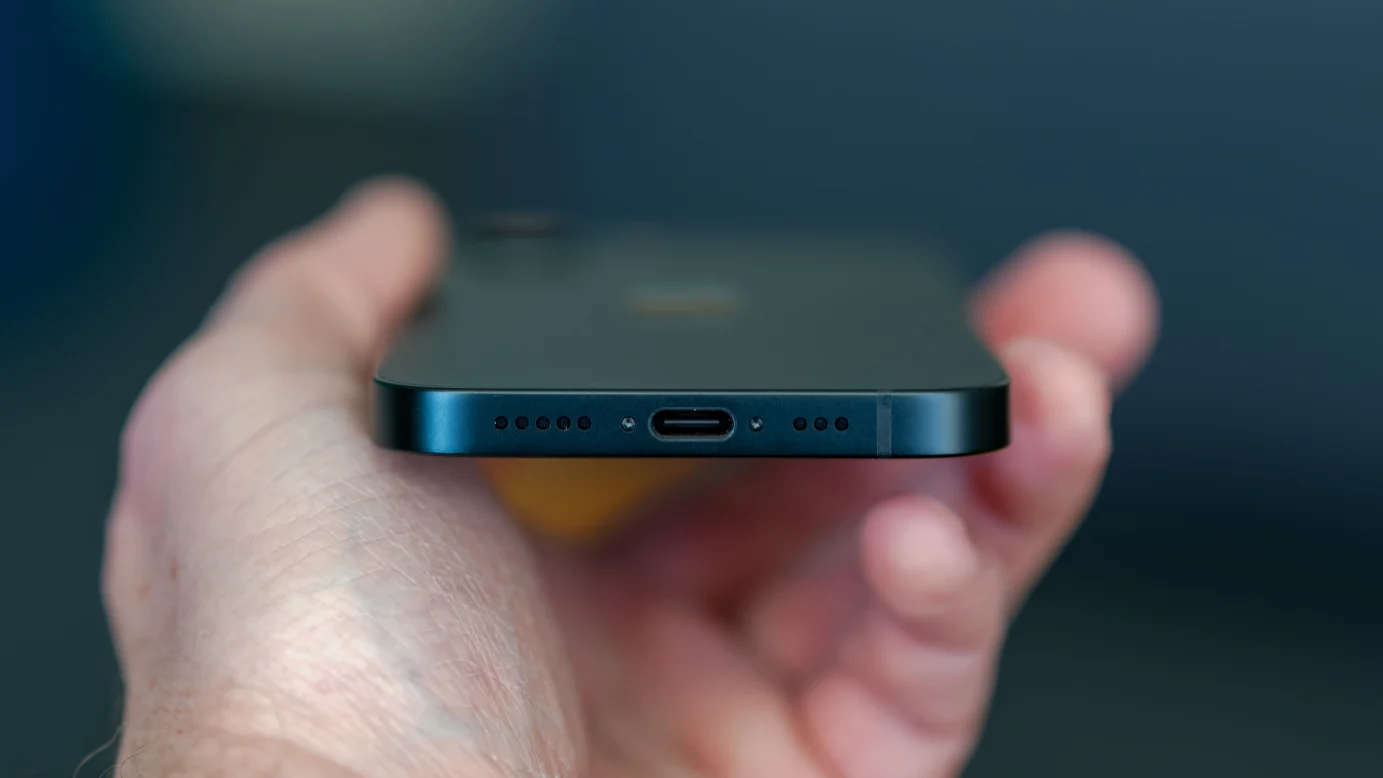
iPhone 17 Air’s Port-Free Design Scrapped by Apple, Claims Mark Gurman

Rumors surrounding the iPhone 17 series have been making waves across the tech world for quite some time. Expected to launch in the second quarter of the year, the lineup will reportedly include the iPhone 17, iPhone 17 Air (or iPhone 17 Slim), iPhone 17 Pro, and iPhone 17 Pro Max. Among these, the iPhone 17 Air is anticipated to be the slimmest iPhone to date, possibly replacing the Plus variant of previous models. However, new details shared by Bloomberg’s Mark Gurman reveal an interesting twist to the iPhone 17 Air’s design that didn’t make it to production.

According to Gurman, Apple initially planned to make the iPhone 17 Air the first iPhone to launch with a completely port-free design. The device was expected to support wireless charging and data syncing through the cloud, marking a significant shift away from physical ports altogether. This move would have represented Apple’s ambition to push the boundaries of slim design, with no charging port in sight. However, the company reportedly abandoned the idea after considering the potential regulatory backlash from the European Union, which has been pushing for the standardization of USB Type-C ports in mobile devices, replacing the old Lightning charging port.

The decision to scrap the port-free iPhone 17 Air may also have been influenced by concerns about battery life. The ultra-thin build of the Air model would have required a thinner battery, which typically results in less battery capacity. Gurman notes that Apple didn’t want to compromise on performance, so the company reportedly asked its engineers to rethink the design of the display, silicon components, and software to optimize the device’s energy efficiency. This reworked approach was intended to balance slimness with battery longevity, a crucial aspect for users who rely on their iPhones throughout the day.

While the iPhone 17 Air might not be the port-free device Apple originally envisioned, it’s clear that the company is still pushing to innovate with its design philosophy. The move to a slimmer profile without sacrificing essential features like battery life shows Apple’s commitment to finding new ways to improve the user experience while staying compliant with global standards. As the iPhone 17 series draws closer to its release, fans and analysts alike are eager to see which aspects of these ambitious plans will make it into the final product.

Infinix Set to Launch AI Ring and AI Buds; Live Images Leak Online

Infinix is gearing up for its highly anticipated Infinix AI Beta event, which is scheduled for March 20. The event promises to showcase the brand’s latest innovations, including the much-anticipated Infinix AI Ring and Infinix AI Buds. According to reports, live images of both devices have already surfaced, giving us a glimpse of what to expect from these new smart wearables. In addition to these AI-powered products, the company is also expected to unveil the Infinix Note 50 series globally. This follows the earlier launch of the Infinix Note 50 lineup in Indonesia earlier this month, which included a base model, Pro, and Pro+ variants.

The Infinix AI Beta event will kick off at 2pm GMT (7:30pm IST) on March 20, and it appears the company is focused on expanding its presence in the AIoT (Artificial Intelligence of Things) space. Alongside the new AI Ring, Infinix is set to launch the Infinix AI Buds, a pair of true wireless stereo (TWS) earphones designed to offer both affordability and advanced features. With these products, Infinix is aiming to provide consumers with high-quality AI-driven devices at accessible price points.

The Infinix AI Ring is expected to come in two color options and will likely be available in various sizes to accommodate different user preferences. Unlike traditional smart rings that often rely on a dock for charging, the Infinix AI Ring is rumored to feature a charging case, making it more convenient for users to power up the device. In terms of functionality, the ring is tipped to offer health-focused features, including sleep tracking, heart rate monitoring, and blood oxygen level measurement, making it a versatile option for fitness-conscious individuals.

On the other hand, the Infinix AI Buds are expected to offer a premium listening experience with the added benefit of AI-enhanced features. While details are still sparse, the TWS earphones are likely to integrate smart capabilities, potentially offering noise cancellation, voice assistant integration, and personalized sound profiles based on the user’s preferences. The combination of the AI Ring and AI Buds signals Infinix’s commitment to bringing cutting-edge, AI-driven technology to everyday wearable devices, and it will be interesting to see how these products fare once they are officially unveiled.