Meta Wins $168 Million in Landmark Case Against NSO Group Over WhatsApp Spyware Abuse

Meta Platforms has secured a significant legal victory, winning a $168 million verdict against Israeli spyware company NSO Group in a long-running lawsuit over the unauthorized use of WhatsApp servers to deploy spyware on users’ devices. The ruling marks the first major courtroom win against a surveillance firm for the deployment of illegal spyware.

A California jury awarded Meta $444,719 in compensatory damages and $167.3 million in punitive damages, capping a six-year legal battle that began with a 2019 lawsuit. In December, a federal judge had already ruled that NSO unlawfully exploited a WhatsApp vulnerability to implant surveillance software.

Meta hailed the outcome as a step forward for privacy and security”, adding that the verdict sets a precedent in holding spyware developers accountable.

A Rare Glimpse Into the Spyware Industry

The trial revealed rare insights into NSO’s operations:

  • Between 2018 and 2020, NSO charged governments $7 million to hack up to 15 devices simultaneously.

  • Cross-border hacking features cost an additional $1–2 million.

  • NSO maintained a 140-person research team with a $50 million budget, some of which was used to exploit smartphone security flaws.

  • Court testimony confirmed customers included Uzbekistan, Saudi Arabia, and Mexico.

Despite NSO’s claim that its software is intended to fight terrorism and crime, human rights advocates, such as Natalia Krapiva of Access Now, labeled the firm a poster child for surveillance abuses.” She called the ruling a signal to the spyware industry: There will be consequences if you act carelessly or brazenly.”

Continued Secrecy and Legal Resistance

NSO has indicated plans to appeal the verdict, saying it would pursue all legal remedies. Much of the case remained shrouded in secrecy, with Judge Phyllis Hamilton criticizing the firm for withholding evidence and ignoring court orders. The Israeli government even intervened, seizing documents to prevent their disclosure in U.S. courts.

This case, which reached as far as the U.S. Supreme Court, has been closely watched by privacy advocates, surveillance industry players, and governments worldwide, as it underscores both the legal vulnerability of spyware firms and the growing demand for greater accountability in cyber surveillance practices.
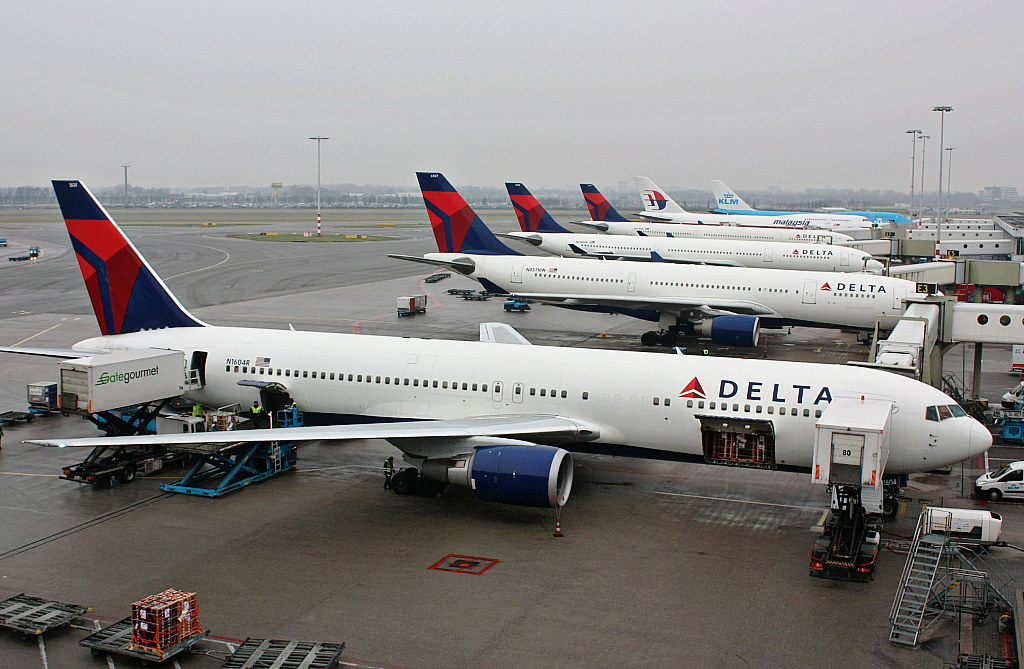
Delta Air Lines Must Face Lawsuit Over Flight Disruptions After 2024 Computer Outage, Judge Rules

A federal judge ruled Tuesday that Delta Air Lines must face parts of a proposed class-action lawsuit filed by passengers who accused the airline of refusing full refunds after massive flight delays and cancellations caused by a computer outage in July 2024.

U.S. District Judge Mark Cohen in Atlanta allowed five of nine plaintiffs to move forward with breach of contract claims, citing Delta’s alleged failure to provide proper refunds. He also allowed a separate group of international travelers to pursue claims under the Montreal Convention, a global treaty covering air travel disruptions.

The outage, which began July 19, 2024, was triggered by a flawed software update from cybersecurity firm CrowdStrike, affecting over 8 million devices and causing significant disruptions to Microsoft clients, including major airlines. While many U.S. carriers resumed operations within a day, Delta’s systems remained down longer, resulting in about 7,000 canceled flights.

Judge Cohen dismissed several other claims, including those he said were preempted by federal law. Still, the ruling is being hailed by passengers’ attorneys as a victory for accountability.

This ruling is a major step forward for Delta passengers seeking accountability,” said Joseph Sauder, a lawyer representing some of the plaintiffs.

Passengers said Delta failed to issue automatic refunds and allegedly required travelers to waive legal claims in exchange for partial compensation.

  • One plaintiff, John Brennan of Florida, missed a $10,000 anniversary cruise after being stranded in Atlanta and was offered only $219.45.

  • Another, Vittorio Muzzi of the Netherlands, said his 5,000-euro trip was disrupted, his luggage delayed 15 days, and he received just €588 in compensation.

Delta, which had sought to dismiss most of the claims, has not responded publicly to the ruling. The airline previously estimated the outage cost $550 million in revenue losses and added expenses.

The case is Bajra et al v. Delta Air Lines, U.S. District Court, Northern District of Georgia, No. 24-03477.

Intel Shareholders Approve CEO Compensation and Equity Incentive Plan Amid Leadership Shift

Intel shareholders on Tuesday approved a new equity incentive plan designed to bolster stock reserves for attracting and retaining talent, as well as a $42 million stock-based compensation package for newly appointed CEO Lip-Bu Tan. The vote took place during the company’s first shareholder meeting under Tan’s leadership.

Intel shares fell 1.6% in early trading, extending a 36% decline over the past year, as investors digest the company’s ongoing leadership and strategic shifts.

Tan, who succeeded Pat Gelsinger in March after the board lost confidence in his high-cost turnaround efforts, will have his compensation tied to Intel’s future stock performance. Tan has already initiated a restructuring plan, which includes flattening the corporate hierarchy, cutting excess middle management, and recalibrating Intel’s artificial intelligence roadmap.

Shareholders also approved the current board of directors, although three members did not seek re-election. Meanwhile, three shareholder proposals were rejected, including:

  • A call to reassess Intel’s operations in Israel,

  • A demand for new charitable giving transparency, and

  • A proposal to allow shareholders to act by written consent.

Tan said he plans to capitalize on Intel’s established positions in the PC and data center markets to deliver more competitive AI products, signaling a strategic refocus in an increasingly crowded chip landscape.