
Super Micro Shares Fall After Forecasting Q4 Revenue Below Estimates Amid Tariff, Spending Concerns

Super Micro Computer (SMCI.O), a leading AI server manufacturer, projected fourth-quarter revenue below Wall Street expectations, causing its shares to drop 5.4% in after-hours trading on Tuesday. The company cited economic uncertainty, tariffs, and delayed customer spending as near-term headwinds.

The San Jose-based firm forecast Q4 revenue between $5.6 billion and $6.4 billion, falling short of analysts’ average estimate of $6.82 billion, according to LSEG data. The company has benefited from surging demand for AI data center infrastructure, leveraging chips from Nvidia, AMD, and others, but has also faced accounting issues in recent months that sparked delisting concerns on the Nasdaq.

Despite some clients delaying purchases, Super Micro expects those deferred deals to materialize in the June–September quarter. However, investor sentiment remains cautious, particularly in light of growing concerns about AI investment slowdowns and tariff-related impacts.

Kim Caughey Forrest of Bokeh Capital Partners suggested the lowered guidance might be self-inflicted, rather than purely market-driven, while D.A. Davidson’s Gil Luria noted the possibility that Super Micro may be losing market share to competitors like Dell, rather than signaling a broader downturn in AI infrastructure demand.

For fiscal year 2025, Super Micro revised its revenue forecast downward to $21.8 billion to $22.6 billion, from a previously expected $23.5 billion to $25.0 billion.

The company had released preliminary results last week, but the lower guidance and uncertain macroeconomic environment continue to weigh on investor confidence.

Uber to Acquire 85% Stake in Turkey’s Trendyol GO for $700 Million

Uber announced on Tuesday that it will acquire an 85% controlling stake in Trendyol GO, Turkey’s fast-growing food and grocery delivery platform, in a $700 million deal. The move marks a strategic push into high-growth international markets as Uber faces market saturation in North America.

Trendyol GO, a subsidiary of Turkish e-commerce giant Trendyol Group, currently delivers food and groceries across the country, partnering with over 90,000 restaurants and markets and utilizing a fleet of 19,000 couriers. The platform fulfilled more than 200 million orders in 2024, with gross bookings of approximately $2 billion, representing a 50% year-on-year growth, Uber said.

The acquisition is expected to close in the second half of 2025. Following the deal, Trendyol GO will retain its independent branding and operations, while Uber plans to gradually integrate elements from its global food delivery platform, Uber Eats.

This expansion comes shortly after Uber dropped its $950 million bid for Delivery Hero’s Foodpanda in Taiwan, citing regulatory issues. Uber’s broader strategy includes expanding its delivery business and exploring self-driving vehicle partnerships to diversify revenue beyond its ride-hailing core.

Meanwhile, competition in the food delivery space is intensifying. DoorDash announced on the same day that it will acquire UK-based Deliveroo for $3.85 billion, aiming to strengthen its European presence and compete more effectively with Uber Eats and Just Eat.

Uber will release its Q1 earnings report on Wednesday, and analysts are watching closely to see how international investments like Trendyol GO might bolster its global growth outlook.

Microsoft Unveils Affordable AI-Powered Surface Devices with Qualcomm Chips

Microsoft announced on Tuesday that it will launch more affordable AI-enabled Surface devices powered by Qualcomm chips, aiming to bring advanced “Copilot+” features to a broader user base, including students and early-career professionals.

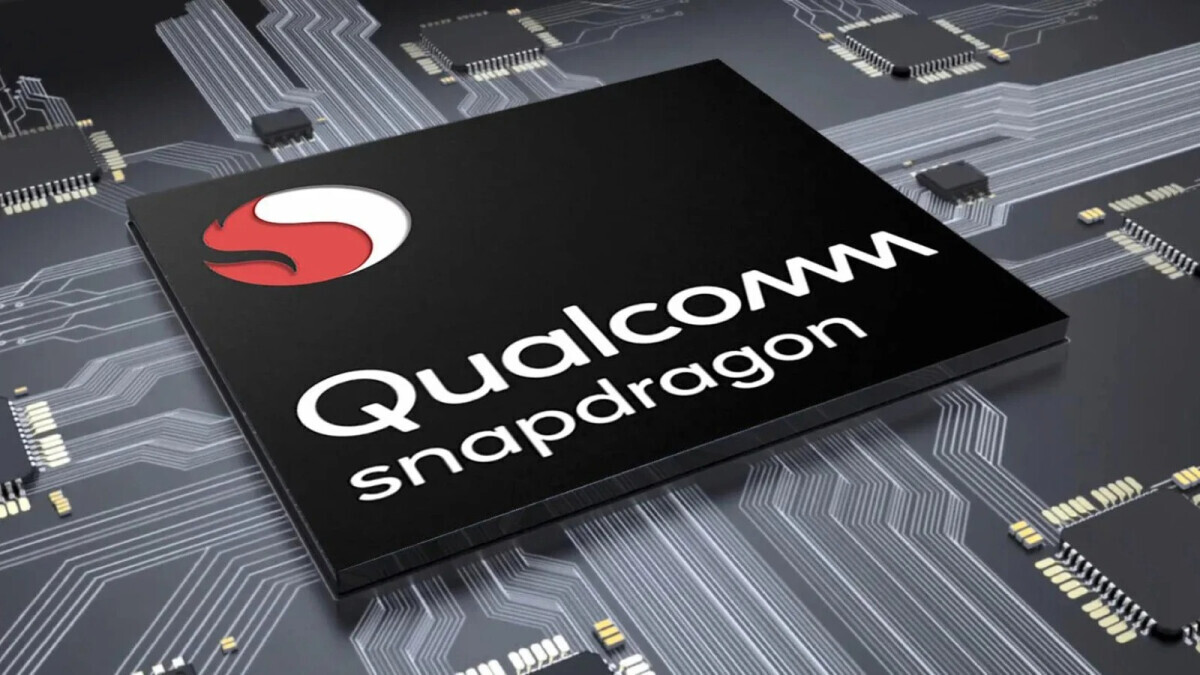
The new Surface Laptop (13-inch) and Surface Pro Tablet (12-inch) will go on sale starting May 20, priced at $899 and $799 respectively. Both devices will be equipped with Qualcomm’s Snapdragon X Plus chips, positioning them competitively between Apple’s entry-level MacBook Air ($999) and iPad Pro models (from $649 to $999).

These will be Microsoft’s lowest-priced devices to support the Copilot+ suite, a bundle of AI features introduced in 2023. The tools include natural language commands for changing system settings and generating AI-powered first drafts for documents. Previously, most devices supporting Copilot+ had been priced above $1,000 due to hardware requirements.

Pavan Davuluri, Microsoft’s corporate vice president of Windows and Devices, said the move is intended to expand access to AI tools. “We think these new Surface Pro and laptops are for a set of customers for whom affordability is going to be important,” he stated during an April 28 press briefing.

Microsoft’s latest hardware launch reflects an ongoing strategy to democratize AI functionality across its ecosystem, while also responding to competitive pricing pressures in the consumer tech market.